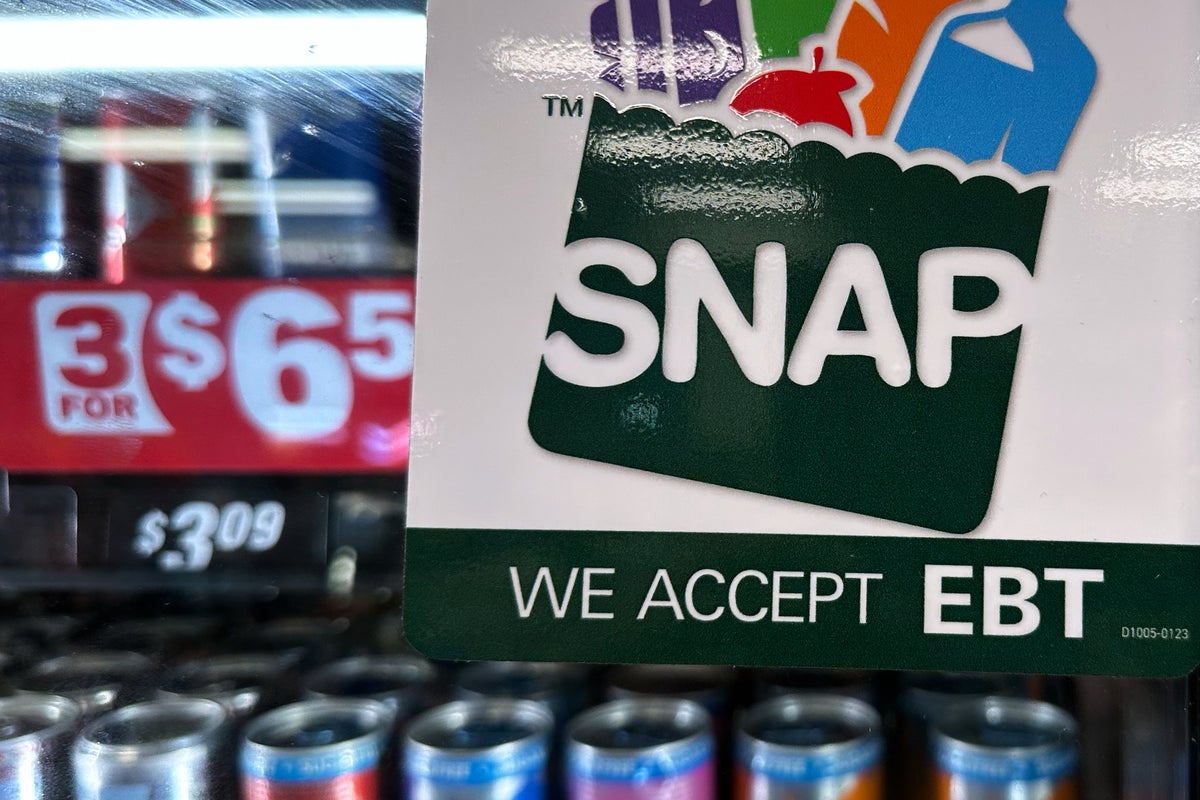
The federal government is successfully offloading the financial burden of the nation’s largest food assistance program onto state taxpayers, creating a structural deficit that will force local governments to choose between cutting social services or raising taxes. Under the provisions of the One Big Beautiful Bill Act (OBBBA), the historic 50-50 cost-sharing agreement for administering the Supplemental Nutrition Assistance Program (SNAP) has been dismantled. By October, states must cover 75 percent of all administrative expenses, an abrupt fiscal shift that is already draining local reserves and driving millions of low-income Americans off the program rolls.
This is not a routine bureaucratic adjustment. It is a fundamental realignment of the American safety net. For more than six decades, the division of labor behind food stamps was absolute: Washington paid for 100 percent of the food benefits, while state capitals managed the paperwork and split the administrative overhead evenly with the federal government. By upending this balance, the current administration is executing an unprecedented fiscal squeeze. The Congressional Budget Office estimates that the combination of new work requirements, documentation hurdles, and cost-shifting mechanisms will slash federal SNAP spending by $187 billion over the next decade, removing roughly 2.4 million people from the program in an average month. Discover more on a connected issue: this related article.
State budget analysts are realizing that the administrative cost hike is merely the opening salvo in a multi-front fiscal war. The truly destabilizing mechanism hidden within the new law is a punitive "benefit cost shift" tied directly to state error rates. Historically, if a state agency accidentally overpaid or underpaid a SNAP recipient due to a processing mistake, the federal government absorbed the variance while monitoring the state for systemic improvements. Beginning in October 2027, that leniency disappears. Any state with a payment error rate of 6 percent or higher will be legally required to pay for a portion of the actual food benefits out of its own treasury.
The financial penalties are calibrated to inflict maximum pain on state budgets. Under the sliding-scale formula, states with error rates reaching 10 percent or higher must cover a full 15 percent of their total SNAP benefit payouts. To put that in perspective, based on recent data from the United States Department of Agriculture (USDA), a state like Florida is staring down a potential $991 million annual penalty, while California faces a staggering $1.8 billion liability. This is independent of the average $67 million increase each state must absorb just to keep their SNAP processing offices open under the new 75 percent administrative match. More analysis by NBC News delves into similar views on the subject.
The policy creates a toxic paradox for local administrators. To drive down error rates and avoid catastrophic financial penalties, state agencies must implement exhaustive verification procedures, build modern automated tracking systems, and conduct aggressive monthly case reviews. Yet the resources required to build this massive quality-control apparatus have been stripped away by the very same law that demands them.
Faced with this pressure, states are reacting with administrative self-preservation. Some are introducing sweeping legislative overhauls to insulate themselves from federal penalties. In Oklahoma, pending legislation would tie the salaries of SNAP administrative leaders directly to the state's payment error rate, slashing their pay if errors breach the 6 percent threshold. Other states, including Arizona, New Mexico, and Oregon, are diverting scarce funds from other social services to stand up specialized quality-control task forces and contract with third-party call centers to manage the influx of paperwork.
The predictable casualty of this bureaucratic panic is the applicant. When state workers are penalized for errors, they become deeply risk-averse. Processing times slow to a crawl, and the demand for supplementary documentation becomes exhaustive. This administrative friction is already achieving the administration's overt goal of reducing enrollment. Nationwide, more than 3.5 million people have lost access to food assistance since the law's passage. In states like Arizona, the drop has been so severe that the number of individuals relying on emergency food pantries has eclipsed the total number of registered SNAP recipients.
Furthermore, the administration has weaponized other federal funding streams to force compliance with its broader social agenda. Over the past year, the USDA’s Food and Nutrition Administration encouraged states to seek "Food Restriction Waivers" to bar SNAP recipients from purchasing items like soda, candy, and sports drinks under the banner of the "Make America Healthy Again" campaign. To incentivize these changes, the administration implicitly linked the approval of these waivers to a state's ability to access a separate $50 billion Rural Health Fund meant to offset parallel cuts to Medicaid.
Though a federal district court recently struck down these food restrictions in Aragon v. Rollins, ruling that the USDA exceeded its statutory authority by altering the legal definition of "food," the broader strategy remains intact. The administrative chaos generated by these rolling policy shifts has caused high numbers of eligible families to fall through the cracks. In Maryland, fiscal analysis revealed that more than 20 percent of SNAP households leave the program due to paperwork or recertification confusion, only to reapply within four months.
The shockwaves are hitting local non-profits that lack the infrastructure to absorb a nationwide surge in hunger. The federal law simultaneously eliminated key support programs for food banks, leaving emergency pantries to face record demand with diminished resources. As the October deadline approaches for states to assume the lion's share of administrative costs, governors and state legislators are finding themselves caught in a vice between federal mandates and local fiscal realities.
The strategy behind the OBBBA is clear: by making the administration of food assistance too expensive and legally hazardous for states to manage comfortably, Washington is forcing a quiet, localized rationing of aid. It is a highly effective method of shrinking the federal balance sheet, accomplished not by winning a policy debate in Congress, but by passing the bill to the states and letting local budgets fracture under the weight.