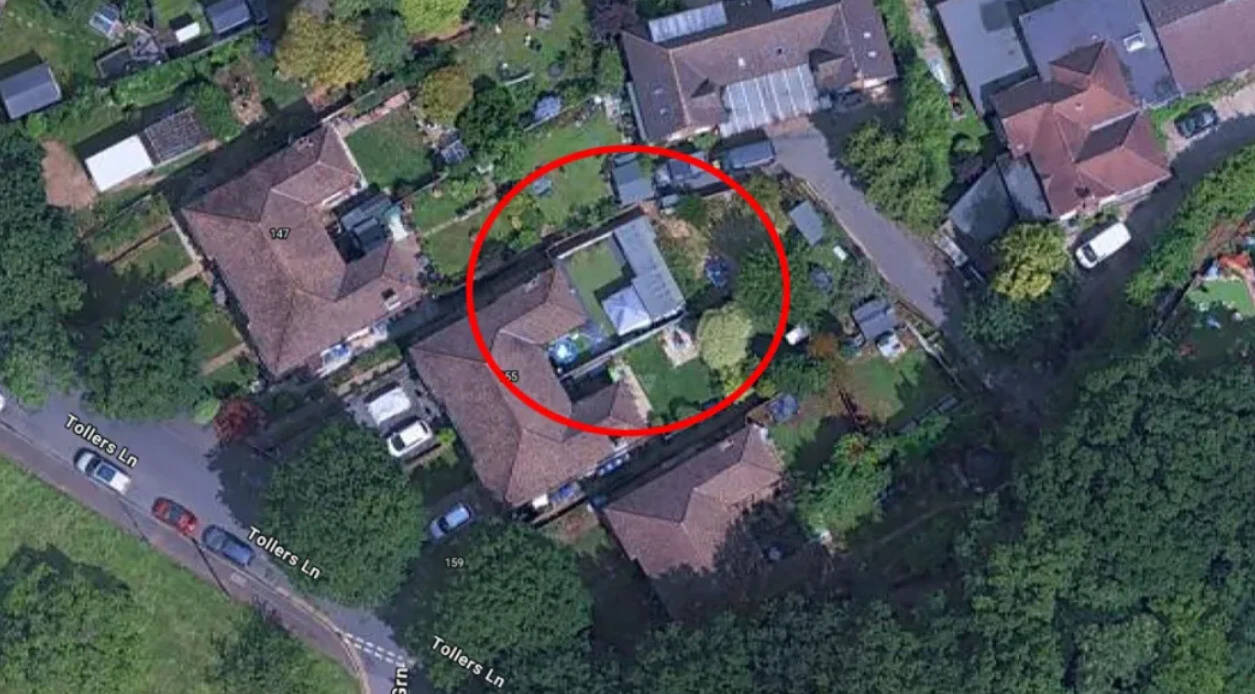
You build a garden room in 2018, add a bar and a TV, and figure nobody will care years later. Then a neighbour dispute or a lease clause explodes and suddenly lawyers are talking about £100,000 legal bills and tearing the whole thing down.
That isn't a hypothetical nightmare. In October 2026, a UK football club official, Justin Salmon, and his wife Karen found themselves tangled in a bruising £100,000 court fight over a 24ft garden structure they put up in their Surrey garden back in 2018. Their upstairs neighbour, Mrs Neophytou, wanted it gone, arguing the building breached their lease and ruined her outlook. Even after works were carried out in 2022 to strip back obvious room-like touches, the clash dragged into court before Judge Nicholas Parfitt, who ruled that the 2022 changes didn't cure the underlying lease breach and ordered the structure dismantled.
Plenty of homeowners assume that building an outbuilding years ago—or calling it a shed or pergola—makes them untouchable. Honestly, that assumption gets people into expensive trouble every single week.
What This Dispute Actually Shows About Garden Rooms
People tend to treat a garden room as a harmless lifestyle upgrade. You get extra space for drinks, football matches, or working from home without moving house.
The reality is sharper. A garden building sits at the intersection of property law, leasehold covenants, planning rules, and neighbour relations. Even if your local council never sends an enforcement officer, a private legal restriction can still sink your project.
In the dispute involving the Salmons and Mrs Neophytou, the fight wasn't just about whether a garden bar looked nice or ugly. It came down to a long lease that required prior written licence before putting up additional buildings or erections in a divided residential garden. Mrs Neophytou said she had agreed in 2017 to a basic open wooden pergola, not a solid-roofed, enclosed structure. Calling a building a pergola or removing a few interior features didn't erase what had been built.
That's the part most homeowners miss. You can win an argument in your own head about what a structure "basically" is, and still lose badly when a lease or covenant defines what's permitted.
Lease Covenants vs Planning Permission
Here's where homeowners get tripped up. They check one set of rules and ignore the rest.
Planning permission governs public land use and development control through your local planning authority and national frameworks like the Planning Portal. Many garden rooms fall under permitted development if they meet strict criteria on height, boundaries, location, and use.
Leasehold terms and restrictive covenants are private contracts tied to the property. If you own a flat, maisonette, converted property, or a home subject to a lease or restrictive covenant, your lease can ban outbuildings or require written consent from a freeholder or fellow leaseholder.
Even when permitted development rules exist for houses, the Planning Portal explicitly notes that householder permitted development allowances apply to houses—not flats, maisonettes, or properties with specific restrictions. If you're in a shared or divided plot, private lease terms can be far stricter than planning law.
I've seen homeowners get furious when a neighbour objects to something they built with good intentions. Yet in court, feelings rarely beat clear wording in a lease.
Why Time Alone Doesn't Always Save You
A lot of people hear about "time limits" on planning enforcement and assume that once several years pass, any garden structure is permanently safe.
It's not that simple. First, planning enforcement immunity isn't automatic—you have to prove completion and continuous use with solid evidence, such as dated photos, invoices, and records, often by applying for a Lawful Development Certificate. Second, changes to planning enforcement rules in England in April 2023 shifted many breach periods to ten years rather than four. Third, and most importantly, planning time limits don't automatically wipe out a private lease breach or neighbour claim.
You can have a structure standing for years and still end up paying huge legal fees if a neighbour enforces a lease covenant or boundary right. In high-stakes neighbour disputes, legal costs escalate fast because barristers, hearings, and technical arguments pile up before a judge ever delivers judgment.
Common Mistakes Homeowners Make With Garden Rooms
If you're planning a garden room—or worrying about one you already put up—watch out for these traps:
- Assuming "shed" or "pergola" is a magic label. Courts and tribunals look at what the structure actually is in substance, not just what you call it.
- Skipping written consent. Verbal nods or informal chats with neighbours can turn into major disputes later when memories differ or relationships sour.
- Ignoring boundary and height limits. Building close to boundaries or pushing height and footprint limits creates friction and legal exposure.
- Treating cosmetic tweaks as a full fix. Removing a few obvious room-like items may not solve a deeper structural or lease problem.
- Underestimating the cost of fighting. A £15,000 or £25,000 garden building can easily trigger a £100,000 legal war if things go to court.
What sounds easy in theory—putting up a nice spot to relax—gets messy fast once lawyers get involved.
Practical Steps Before You Build Or Respond
If you're thinking about putting up a garden room, pull your property deeds and any lease documents first. Read every clause about alterations, outbuildings, gardens, and written consent before ordering materials.
Check your local council's rules and consider applying for a Lawful Development Certificate if there's any doubt about planning status, especially if you ever plan to sell the home. Buyers' solicitors routinely ask questions about outbuildings, and paperwork saves headaches later.
If you already have a garden room and tension is brewing with a neighbour or freeholder, get early advice from a property solicitor rather than guessing what compromises will stick. Put any agreement or consent in writing, keep clear records, and remember that a calm conversation—or a sensible compromise—is almost always cheaper than taking a grudge into court.