The fluorescent lights of a delivery suite do not flicker, but to the person looking up at them, the whole world seems to shudder. There is a specific frequency to the beep of a fetal heart monitor. It is a rhythmic, comforting sound until, suddenly, it isn't. The tempo changes. The room fills with people who were not there sixty seconds ago. Doctors speak in a low, controlled shorthand. A clipboard appears. A signature is required.
Then comes the wheels-turning rush down a bright corridor.
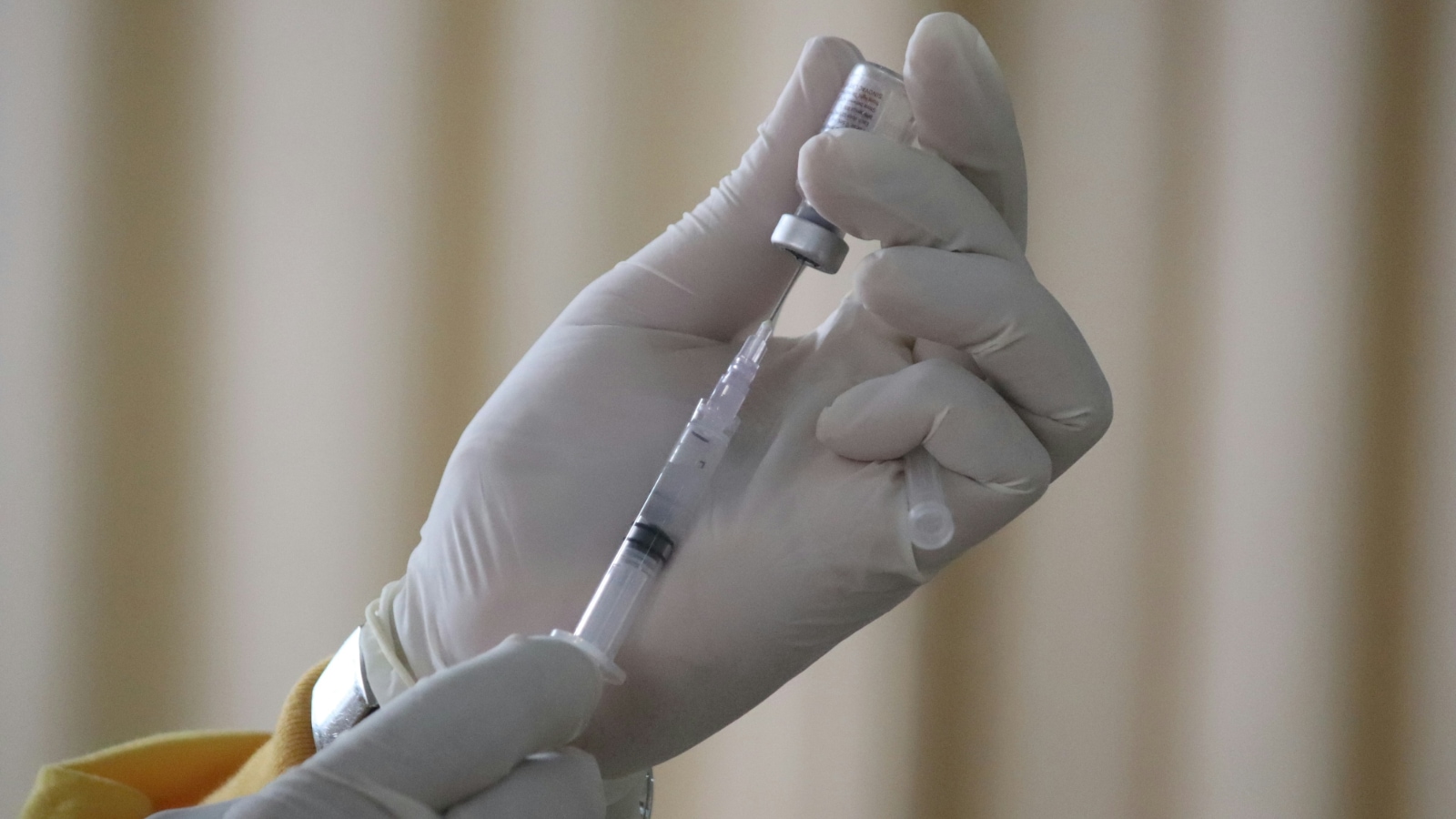
This is the exact moment when a birth plan ceases to be a document of hope and becomes a medical operation. In England, this scene is playing out with unprecedented frequency. It is no longer an anomaly or a rare twist of fate. It is the new normal.
One in four women giving birth in England now meet their children via an emergency caesarean section.
Let that number settle. Twenty-five percent. If you sit in a waiting room with four pregnant women, statistically, one of them will experience a birth that ends in an unplanned surgical theater. This is not a subtle shift in obstetric trends. It is a massive, structural transformation in how human life enters the world, yet the conversation surrounding it remains cloaked in a strange, isolating silence.
The Birth Plan Myth
We have constructed a beautiful, precarious cultural narrative around childbirth. We use words like natural, intuitive, and gentle. Expectant parents spend months drafting elaborate plans detailing everything from lighting preferences to playlist selections. This is a natural human reaction to a profound unknown; we seek control where control is an illusion.
Consider a hypothetical composite of this experience, let's call her Elena. Elena did the classes. She bought the organic massage oils. She practiced the breathing techniques designed to keep her calm and centered. When her labor stalled at hour twenty-six, and the baby’s heart rate began to dip like a stone in water, none of those preparations applied anymore. She wasn't failing; her body wasn't failing. But the system around her had to pivot instantly from hospitality to rescue.
When Elena was wheeled into the operating room, the overwhelming feeling wasn't relief. It was grief. Grief for the birth she thought she was supposed to have.
The clinical data from the NHS underlines Elena’s fiction. The rise in emergency C-sections to 25 percent represents a doubling of the rate seen a generation ago. Why? The answers are complicated, woven into the very fabric of how our society has changed.
We are giving birth later in life. The average age of a first-time mother has risen steadily, bringing with it a higher baseline of medical complexity. Rates of maternal obesity and gestational diabetes are climbing. We are also, simply put, better at detecting when a baby is in distress. Continuous electronic fetal monitoring means we see the warning signs earlier.
But increased surveillance inevitably leads to increased intervention. When a monitor flags a potential issue, a doctor faces an agonizing choice: wait and risk catastrophe, or operate and accept the surgical consequences. In a highly litigious medical culture, the knife almost always wins.
The Hidden Anatomy of the "Emergency"
The word emergency conjures images of panicked shouting and running down hallways. In obstetrics, the term is a broad umbrella that covers a massive spectrum of urgency.
Medical professionals categorize C-sections into four distinct tiers. Category one is the true crash section—the immediate threat to the life of the mother or baby. The clock is ticking in seconds. Category two, where the majority of these "one in four" births sit, is different. It means there is maternal or fetal compromise, but it is not immediately life-threatening. The birth needs to happen soon, typically within seventy-five minutes, but there is time to explain, time to prep, time to breathe.
This distinction matters deeply, because the psychological trauma often stems from the ambiguity of the word itself. When a woman is told she needs an emergency procedure, her brain processes it as an immediate threat of death. The reality may be a slow-moving failure to progress, a baby that is simply too large for the pelvis, or a labor that has dragged on so long that exhaustion threatens the safety of both parties.
The physical toll of this misunderstanding is measurable, but the emotional cost is vast. A planned C-section is an orderly affair. An emergency C-section is an interruption. It happens after hours, sometimes days, of exhausting labor. The mother is already depleted, her body a battlefield of hormones and fatigue, before the first incision is even made.
The Industrialization of the Labor Ward
Step back from the individual hospital bed and look at the broader machinery. The British maternity system is under immense, chronic strain. Midwife shortages are not just headlines; they are a daily reality on the wards.
When a labor ward is understaffed, one-to-one care becomes a luxury. Yet, continuous support from a known midwife is one of the few interventions proven to reduce the likelihood of a birth ending in major surgery. Without that constant, grounding presence, minor complications are more likely to escalate. A slow labor is given synthetic oxytocin to speed it up. Synthetic oxytocin creates stronger, more painful contractions. These intense contractions can cause fetal distress. Fetal distress leads directly to the operating theater.
It is a domino effect. Every intervention leaves a footprint.
[Shortage of Staff] ➔ [Less One-to-One Care] ➔ [Slower Labor Progression] ➔ [Medical Intervention] ➔ [Increased Risk of Emergency C-Section]
We have built a system that relies on efficiency and predictability, but birth is fundamentally unpredictable. When the messy reality of human biology clashes with the rigid scheduling and resource constraints of a modern hospital, surgery becomes the safety valve. It is the definitive way to end a difficult situation and guarantee a live birth. And in the metrics of a hospital, a live birth is a successful birth, regardless of the psychological wreckage left in its wake.
Reclaiming the Narrative After the Cut
We need to change how we talk about the one in four.
As long as we treat the emergency C-section as a rare deviation or a worst-case scenario, we condemn a quarter of all mothers to a sense of failure. They walk out of hospitals carrying healthy babies but feeling like ghosts in their own stories. They are told, "All that matters is a healthy baby," a phrase that acts as a conversational shutter, closing down any attempt to process the trauma of major abdominal surgery experienced while awake.
The scar left by a C-section is not just a thin line above the pubic bone. It is a physical reminder of the day a woman had to surrender every expectation she held about her own strength.
True autonomy in birth does not mean guaranteeing a delivery free of intervention. That is a promise no one can keep. True autonomy means being an active participant in the pivot. It means that when the room fills with doctors, the mother is not treated as a vessel to be emptied, but as the central character in a profound medical event.
The numbers are not going to reverse overnight. The demographic shifts and clinical realities mean that the major surgical theater will remain a frequent destination for laboring women in England. The challenge now is not just reducing the number, but humanizing the experience.
Imagine if our birth preparation focused less on the perfect, uninterrupted birth and more on resilience. Imagine if we taught women how to advocate for themselves from a surgical table. Imagine if the phrase "one in four" wasn't a terrifying statistic whispered in dark corners of parenting forums, but a shared reality that bonded a massive community of women who survived the pivot, took the cut, and brought their children into the light.
The fluorescent lights of the operating theater will keep shining. The beeping monitors will continue to change their tune. The success of our society should not be measured solely by whether we can keep those doors shut, but by how we care for the women who are pushed through them.