Higher energy prices pushed U.S. inflation up to 3.7% ahead of the midterm elections, and if you only look at the headline number, you're missing the real story.
September's Consumer Price Index jumped 0.6% for the month, climbing from August's 3.4% annual pace to 3.7% year-over-year. Economists polled by FactSet had expected 3.6%. That one-tenth-of-a-point miss didn't just rattle Washington right before the November 3 midterms. It reminded every household that energy shocks don't stay at the pump. They leak into freight, airfare, heating bills, and the interest rates you pay on borrowed money.
Honestly, calling this just a "gas price story" is lazy. Gasoline jumped 9.1% in September alone and accounted for more than half of the monthly inflation increase. Over the 12 months through September, overall energy climbed 20.4%, with fuel oil surging 74.2%, airline fares up 22.4%, piped natural gas up 5.0%, and electricity up 4.4%. Meanwhile, core inflation—which strips out volatile food and energy—rose 2.6% annually.
Let's be real. Core inflation looking calmer at 2.6% makes some economists breathe easy. Yet when diesel hits record territory, heating oil spikes, and airfares climb over 20%, your actual cost of living doesn't care about a neat statistical carve-out.
Why Energy Prices Re-Ignited Inflation Before the Midterms
Timing in politics is brutal, and the September CPI report landed right in the middle of the stretch run to the November 2026 midterm elections. Voters didn't need a government release to feel the squeeze. Drivers watched fuel costs climb after geopolitical conflict in the Middle East disrupted energy markets and pushed pump prices sharply higher from pre-conflict levels.
Consider a quick illustrative example of how a single tank of gas changes the mood at the kitchen table. Say you commute 40 miles round-trip five days a week in a crossover getting 25 miles per gallon. If gas jumps by $1.35 a gallon—roughly the gap between a $2.98 pre-war average and a $4.33 national peak—you're spending about $10.80 more every single week just to get to work. Over a month, that's more than $43 gone before you buy a carton of eggs or fill up on a weekend trip.
Now multiply that across millions of households. In a CBS News poll released in October 2026, nine in 10 Americans said prices were the single biggest factor shaping how they viewed the economy. You can argue about supply chains, global oil markets, or policy timelines all day long. At the ballot box, voters grade the bill in front of them.
Here is where the nuance matters most:
- Pump prices moved fast, then cooled slightly: AAA data showed national regular gas averaging $4.33 in mid-October (up from $2.98 before the war started), before easing to $3.87 by November 13, 2026.
- Diesel and home heating hit harder: Diesel reached a record $6.29 a gallon in late September and stood at $6.06 on November 13, while fuel oil was up 74.2% year-over-year in the September CPI report.
- Travel and freight felt the ripple: Airfares rose 1.2% in September alone and were up 22.4% over 12 months, reflecting higher jet fuel and transport costs.
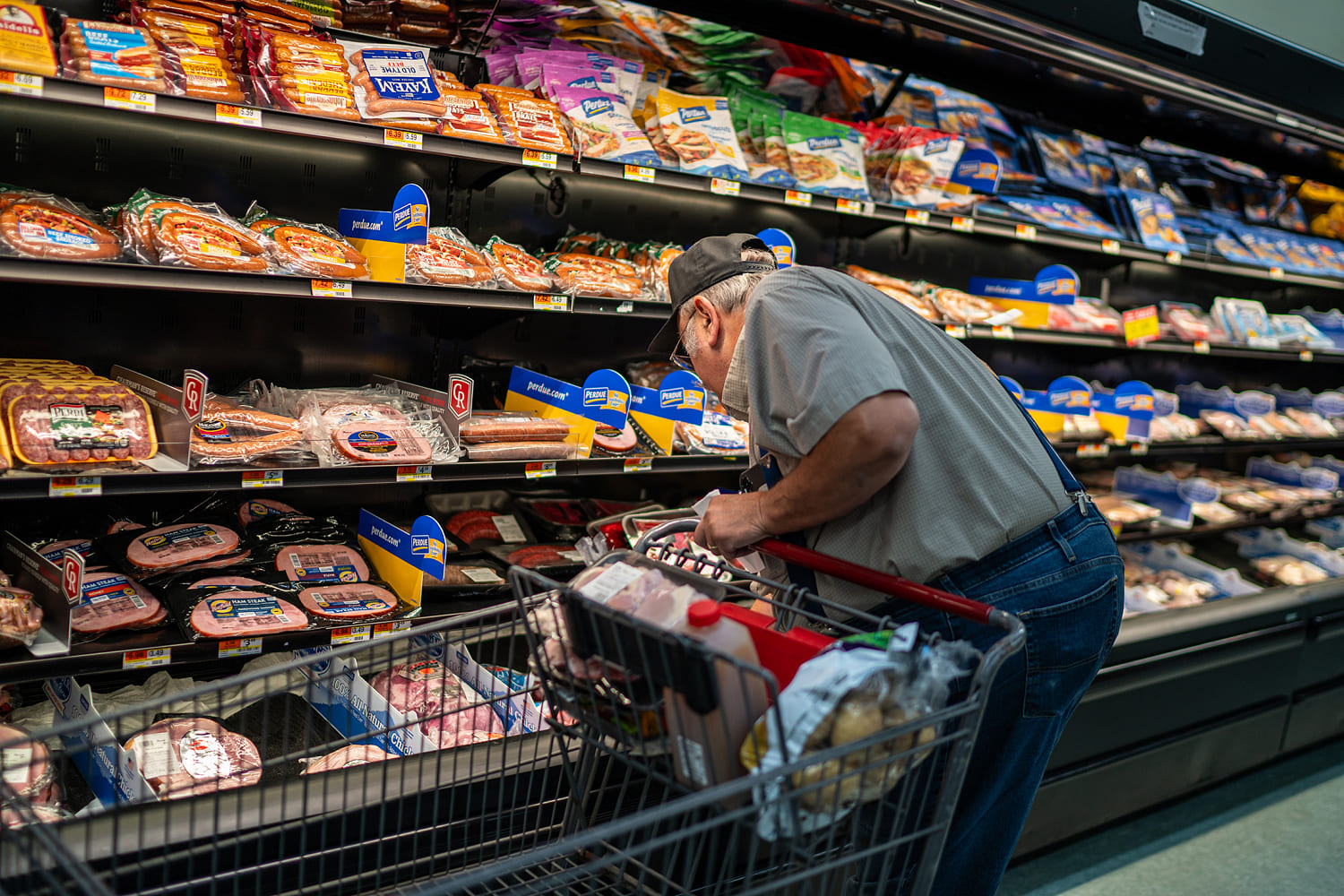
- Groceries told a split story: Overall grocery costs actually eased slightly in September as beef, milk, and some dairy items dipped, even though restaurant dining kept climbing at 3.5% annually.
That split between calmer grocery aisles and pricier fuel, flights, and dining out is why people walked away with conflicting impressions. If you drove and flew, inflation felt red-hot. If you mostly bought basic groceries and stayed home, the squeeze felt more uneven.
What Economists and the Fed Missed or Got Wrong
One of the biggest mistakes people make during an energy-driven inflation spike is assuming it won't stick. For years, conventional wisdom treated oil and gas shocks as temporary noise that central banks should look right through.
That playbook looks shaky in 2026. According to the U.S. Bureau of Labor Statistics, September's 3.7% annual CPI reading followed two months at 3.4%, proving inflation hadn't settled neatly back to the Federal Reserve's 2% target. Even more telling, the Federal Reserve had already hiked interest rates in September 2026—its first hike since 2023—bringing the federal funds rate target range to 3.75%–4.00%.
Why did policymakers turn hawkish again instead of just waiting out fuel prices? Because energy is an input to almost everything else. When diesel surges, trucking and logistics cost more. When electricity and grid demand rise—including heavy power draw from AI data-center buildouts—businesses face higher operating costs.
In the minutes from the Federal Reserve's October 27–28, 2026 FOMC meeting, officials noted that while tariff-related price effects appeared to be waning, underlying inflation pressures remained broad-based, high energy prices continued to push costs up, and nonhousing services inflation stayed elevated above 2%. J.P. Morgan Wealth Management strategists similarly pointed out that the energy shock tied to the Iran conflict kept central banks hawkish and helped push the 10-year Treasury yield above 5% in fall 2026, up from just over 4% at the start of the year.
Wait—there's another wrinkle worth flagging for anyone tracking data accuracy. A past government shutdown left a gap in October 2025 BLS data, meaning year-over-year comparisons for October 2026 relied on an average of September and November figures. That's a technical detail most headlines gloss over, yet it matters if you're trying to read month-to-month momentum without getting fooled by base effects.
How Midterm Politics Clashed With Sticky Prices
Before the November 3, 2026 elections, both parties tried to own the affordability message. Democrats campaigned heavily on cost-of-living pressures—pointing to energy bills, housing, groceries, healthcare, and tariffs. Republicans emphasized domestic energy production, regulatory rollbacks, and keeping tax policies intact.
In practice, neither side had a magic switch to drop fuel prices overnight. Global oil and refining markets respond to geopolitical conflict, shipping risks, and refinery capacity—not campaign slogans. Even targeted bills, like the Ratepayer Protection Act aimed at shifting data-center grid costs, ran into legislative gridlock after passing the House and stalling in the Senate.
And after the midterms delivered a split outcome—with Republicans holding control of Congress overall while Democrats flipped the House—divided government makes sweeping new fiscal or energy legislation even harder to pass quickly. In my view, anyone betting on Washington alone to rescue household budgets in the near term is setting themselves up for disappointment. Monetary policy and commodity markets are doing the heavy lifting right now.
Practical Moves to Protect Your Budget Right Now
You can't control Middle East shipping lanes or the next FOMC rate decision. You can stop energy and interest-rate creep from quietly draining your cash flow.
- Audit your "hidden energy" bills first. Don't just look at your gas station receipts. Check your electricity tariff, heating oil or natural gas usage, and any variable-rate utility plans. Even modest increases of 4% to 5% on utilities plus steep heating oil costs add up fast heading into winter.
- Batch errands and time fuel stops smartly. If you commute or run regular errands, combine trips so your car isn't running cold short hops that burn extra fuel. Use fuel-price trackers to avoid stations charging steep local premiums, especially in high-price states where pump swings can hit hard.
- Lock in fixed borrowing costs where you can. With the federal funds rate at 3.75%–4.00% and 10-year Treasury yields trading above 5% in fall 2026, borrowing isn't cheap. If you carry variable-rate debt or plan to finance a car or home project, compare fixed terms carefully and build a buffer for higher-for-longer rates.
- Watch non-essential travel and dining inflation. Airfares up 22.4% year-over-year and restaurant prices climbing 3.5% mean convenience spending carries a hefty markup. Booking flights earlier, using flexible dates, and cooking more meals at home—where grocery inflation has been milder than dining out—gives you immediate relief.
- Separate headlines from your personal inflation rate. Your personal inflation rate isn't 3.7%. If you rent or own a home with fixed payments, don't drive much, and rarely fly, your real cost increase may be lower than the headline CPI. If you commute long distances, heat with oil, and carry floating debt, your real squeeze is steeper.
Track your actual spending for 30 days, cut the high-markup leaks first, and treat any dip at the pump as a chance to rebuild your cash cushion rather than spend the difference.