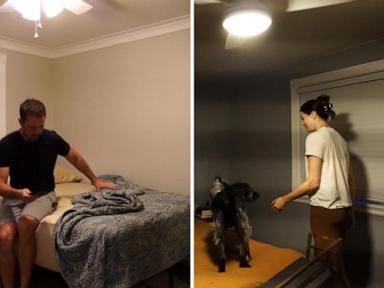
The alarm does not ring. The elbow does.
It arrives at precisely 3:14 AM, a blunt-force negotiation delivered straight to the ribs. Outside, the world is quiet. Inside the bedroom, a low-intensity conflict is raging. One person is shivering under a stolen duvet; the other is radiating body heat like a small nuclear reactor, tossing rhythmically in a desperate bid to catch a breath of cool air.
Multiply this by three hundred and sixty-five nights a year, and you begin to understand the quiet erosion of modern romance.
For generations, the shared mattress has been marketed as the ultimate sacred altar of domestic bliss. To sleep apart was to signal failure. It was the cinematic shorthand for a marriage on the rocks, the bitter final chapter whispered about in television dramas where spouses retreated to twin beds with a sigh of resignation.
Yet, a quieter, more radical truth is taking root in bedrooms across the country. Couples who deeply love one another are choosing to sleep in separate rooms.
They call it a sleep divorce.
The terminology is aggressive, dripping with legalistic finality. It sounds cold. It sounds like the beginning of the end. But speak to the people actually living it, and you discover something entirely different. It is not an ending. It is a truce. It is an act of fierce, pragmatic preservation.
Consider Mark and Elena. They have been married for twelve years. By day, they are partners in every sense, sharing dry humor, mortgage payments, and a deep, abiding affection. By night, they are biological incompatibles. Mark suffers from restless leg syndrome, a rhythmic twitching that turns the mattress into a trampoline. Elena is a light sleeper, a survivor of chronic insomnia who guards her precious hours of rest like a dragon guarding gold.
For years, they tried to muscle through. They bought oversized blankets. They tested white noise machines. They engaged in whispered midnight negotiations over thermostat settings. But sleep deprivation is a slow poison. It robs you of your patience. It turns minor annoyances into monumental grievances. Elena found herself feeling a sudden, irrational flash of resentment every time Mark rolled over. Mark felt guilty for simply existing in his own body.
The turning point did not happen during a screaming match. It happened in the harsh, fluorescent light of a Tuesday morning, when Elena wept over a burned piece of toast simply because she had slept for ninety minutes.
They made a terrifying choice. They bought a second bed for the guest room.
The first night felt strange. Empty, even. The silence of the mattress was heavy, devoid of the familiar weight beside it. But morning arrived differently. Elena woke up without a pounding head. Mark woke up without the crushing weight of knowing he had ruined his wife's night.
At breakfast, they smiled at each other. A real smile. Not the strained, exhausted grimace of the walking dead.
Sleep is not a luxury. It is the biological baseline of sanity. When we are robbed of deep sleep, the prefrontal cortex—the region responsible for impulse control, empathy, and emotional regulation—effectively goes offline. The amygdala takes the wheel. Every minor slight becomes a crisis. Every deep-seated fear feels magnified.
Science has long known this, yet cultural conditioning tells us to ignore our biology in the name of tradition. We cling to the romanticized image of the entangled couple, even if that entanglement leaves both parties exhausted, irritable, and emotionally detached.
Think about the sheer logistics of sharing a bed. Two distinct thermal regulators. Two different circadian rhythms. Two sets of twitching limbs, snoring volumes, tossing habits, and alarm clocks set for conflicting hours. Expecting two humans to merge their nocturnal habits seamlessly for decades is an astonishingly high bar.
When you separate the beds, you do not necessarily separate the intimacy. In fact, many couples report the exact opposite.
Without the nightly friction of interrupted rest, day-to-day interactions transform. The bedroom ceases to be a demilitarized zone. It returns to being a sanctuary. Affection is no longer born out of obligation or accidental proximity; it becomes deliberate. Couples who practice sleep separation often speak of the intentional visits. They crawl into the same bed to talk, to read, to hold each other close, and then, when the eyelids grow heavy, they migrate to their respective havens.
It is an act of prioritizing the relationship over the symbol of the relationship.
Of course, the stigma remains stubborn. There is a lingering whisper of shame associated with the practice. People worry about what it says about their sex life, their commitment, or the health of their bond.
To combat that shame, we have to reframe the narrative. Intimacy is not measured in thread counts or overlapping limbs. It is measured in kindness. It is measured in the capacity to look at your partner with clear eyes, well-rested and steady, rather than through the bleary, resentful haze of chronic exhaustion.
If your relationship is buckling under the weight of sleep incompatibility, the solution might not require therapy, or long talks, or complicated compromises. It might simply require a trip to the furniture store.
The night will always hold its shadows. But inside the quiet, unbroken dark of a room of your own, peace is waiting. And sometimes, the best way to hold onto someone you love is to simply give them a little room to breathe.