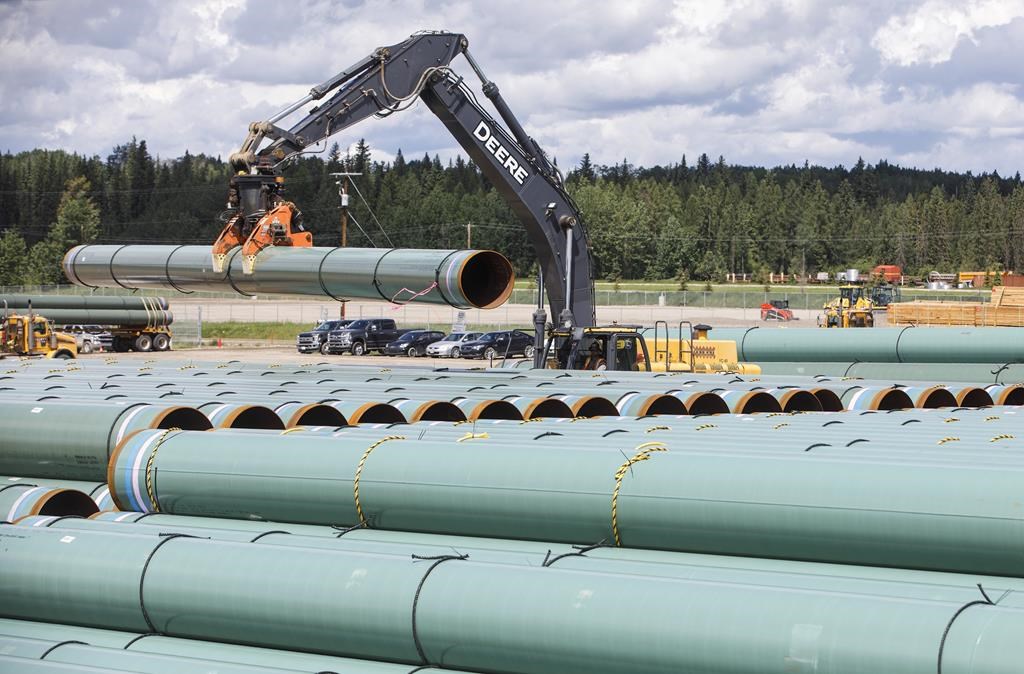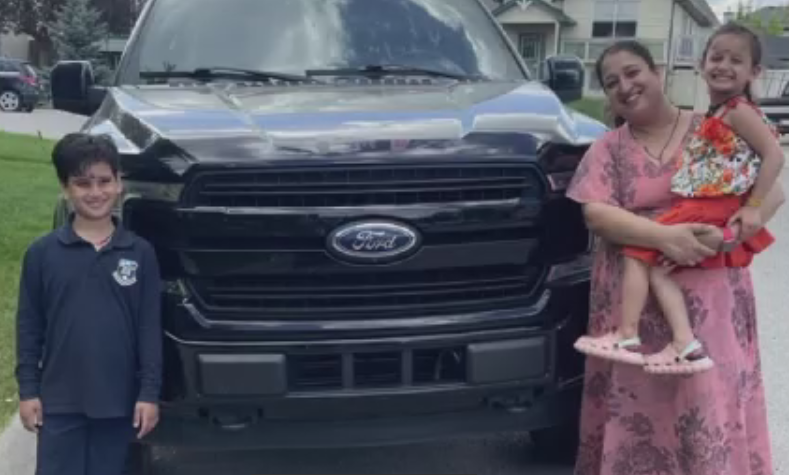
When an Alberta family drove their newly purchased pickup truck off a licensed dealership lot, they assumed the paperwork in the glovebox was a shield against the chaos of the underground car market. They were wrong. Months later, the vehicle was seized by police because it was stolen property. While the family eventually recovered their $40,000 after a grueling public battle, the incident exposes a terrifying reality in the Canadian automotive industry. The systems designed to protect consumers—VIN checks, provincial registries, and dealership licensing—are failing to keep pace with sophisticated VIN cloning syndicates.
The core of the issue isn't just a single "bad apple" dealership. It is a systemic vulnerability where a stolen vehicle can be "re-vinned" with the identity of a legitimate car from another jurisdiction, effectively laundering the asset through the legal market. By the time a family signs a financing agreement, the theft has been buried under layers of official-looking provincial documentation.
The Anatomy of a VIN Cloning Scam
To understand how a stolen truck ends up on a reputable lot, you have to look at the mechanics of identity theft for machines. Organized crime groups don't just hotwire cars and joyride them anymore. They operate like shadow manufacturers.
When a high-value truck is stolen in Ontario or Quebec, it is immediately moved to a "chop shop" or a staging area. There, the legitimate Vehicle Identification Number (VIN) is scrubbed. The thieves then find a "clean" VIN from a similar make and model—often a vehicle currently sitting on a lot in the United States or a different province. They print high-quality counterfeit VIN plates and door stickers that look indistinguishable from factory originals to the untrained eye.
This is where the regulatory gap becomes a chasm. Canada lacks a real-time, unified national database that instantly flags a VIN being registered in two different provinces simultaneously. If a truck is registered in Alberta while its "twin" is driving around in Florida, the system often fails to trigger an immediate red flag. The Alberta dealership, acting as an intermediary, performs what they believe is due diligence by checking the local registry. They see a clean title. They buy the truck. They sell it to you.
Why Dealership Due Diligence Often Fails
The industry likes to claim that buying from a licensed dealer offers total peace of mind. That is a half-truth. While dealers are required to ensure they have the right to sell a vehicle, their investigative tools are surprisingly limited. Most rely on services like Carfax or provincial lien searches.
These tools are historical, not prophetic. There is a "data lag" between the moment a car is stolen, the moment it is cloned, and the moment the crime is reported and uploaded to public-facing databases. If a thief is fast enough, they can flip a cloned truck to a dealer before the original owner has even received their insurance payout.
Furthermore, many dealerships operate on thin margins and high turnover. The pressure to stock the lot with "lightly used" trucks—which are currently in massive demand—can lead to shortcuts. A wholesaler arrives with a clean-looking title and a shiny truck. The dealer runs a quick check, sees no active stolen report, and cuts the check. They aren't stripping the interior panels to check for secondary, hidden VINs that the manufacturers tuck away in the frame. They are looking at the dash and the door jamb.
The Legal Limbo of the Innocent Purchaser
When the police knock on your door to seize a stolen vehicle, the law is rarely on your side. In most Canadian jurisdictions, a thief cannot pass a "good title" to anyone else. This means that even if you bought the truck in good faith, paid full market value, and have a receipt from a licensed business, you do not technically own it. The original owner (or their insurance company) still holds the legal right to the asset.
You are left with a $40,000 hole in your bank account and a driveway that is suddenly empty.
The Alberta family’s success in getting their money back is the exception, not the rule. It often requires a combination of media pressure, legal threats, and a dealership that is sensitive to its local reputation. In many cases, the dealer will point to the "sold as-is" clause or claim they were also a victim of fraud, leaving the consumer to fight a multi-year battle in civil court.
The Role of AMVIC and Regulatory Teeth
The Alberta Motor Vehicle Industry Council (AMVIC) is the body tasked with policing these transactions. However, regulatory bodies often move at the speed of bureaucracy, while car thieves move at the speed of a turbocharged engine.
While AMVIC can levy fines or suspend licenses, it cannot always force a dealer to issue an immediate refund. The consumer protection laws are designed to catch "curbers"—unlicensed backyard sellers—but they are less effective at managing the fallout of high-level organized crime infiltrating the legitimate supply chain.
How to Protect Yourself in a Cloned Market
If the official systems are porous, the burden of proof shifts to the buyer. Relying on a dealer’s word is no longer sufficient. You must become your own private investigator before handing over a bank draft.
- Cross-Reference the VIN: Don't just look at the dashboard. Check the stickers in the door shuts, the stamping under the hood, and if possible, use an OBD-II scanner to see what VIN the vehicle’s computer reports. If the digital VIN doesn't match the physical plate, walk away immediately.
- Demand the Service History: A cloned car usually has a "gap" in its story. If a truck has 30,000 kilometers but no record of its first oil change or tire rotation at a brand-name dealership, ask why.
- Check Provincial History: If the truck was recently brought in from out of province, be doubly cautious. Inter-provincial transfers are the preferred method for "washing" a stolen vehicle's identity.
- The "Too Good to Be True" Test: In the current market, trucks hold their value with iron grip. If a dealer is selling a late-model pickup for $5,000 below market value, they aren't doing you a favor. They are likely trying to offload a liability.
The Industry Needs a Unified Front
The $40,000 Alberta seizure should be a wake-up call for a nationalized, real-time vehicle registry. The current patchwork of provincial databases is a gift to organized crime. Until a VIN registered in Vancouver triggers an alarm in Halifax the second someone tries to duplicate it, these stories will continue to surface.
The "victim" in these scenarios isn't just the family who loses their truck; it's the entire concept of market trust. If the gold standard of "buying from a dealer" is compromised, the entire secondary car market begins to look like a gamble rather than a transaction.
Law enforcement agencies are increasingly frustrated by the lack of cooperation between provincial registries. The technology exists to close these loopholes—blockchain-based titling or encrypted digital IDs for vehicles—but the political will to overhaul the aging registry systems is lagging.
Your Immediate Action Plan
If you have recently purchased a used vehicle and have any suspicion regarding its origin, do not wait for the police to arrive. Take the vehicle to a third-party, manufacturer-certified technician and specifically ask them to verify the secondary VIN locations. If there is a discrepancy, contact legal counsel before contacting the dealership. You need to secure your position as a victim of fraud before the dealership has the chance to liquidate assets or close their doors.
Check your purchase agreement for specific language regarding "Clear Title" guarantees. If those words aren't there, you are driving a risk, not a truck.