A chat box scrolls faster than the human eye can read. It is a blur of digital noise, neon emojis, and desperate pleas for attention. On the left side of a split-screen livestream, two multi-millionaire internet personalities watch Spain battle Belgium in a tense World Cup quarter-final. On the right side, the digital crowd roars in text.
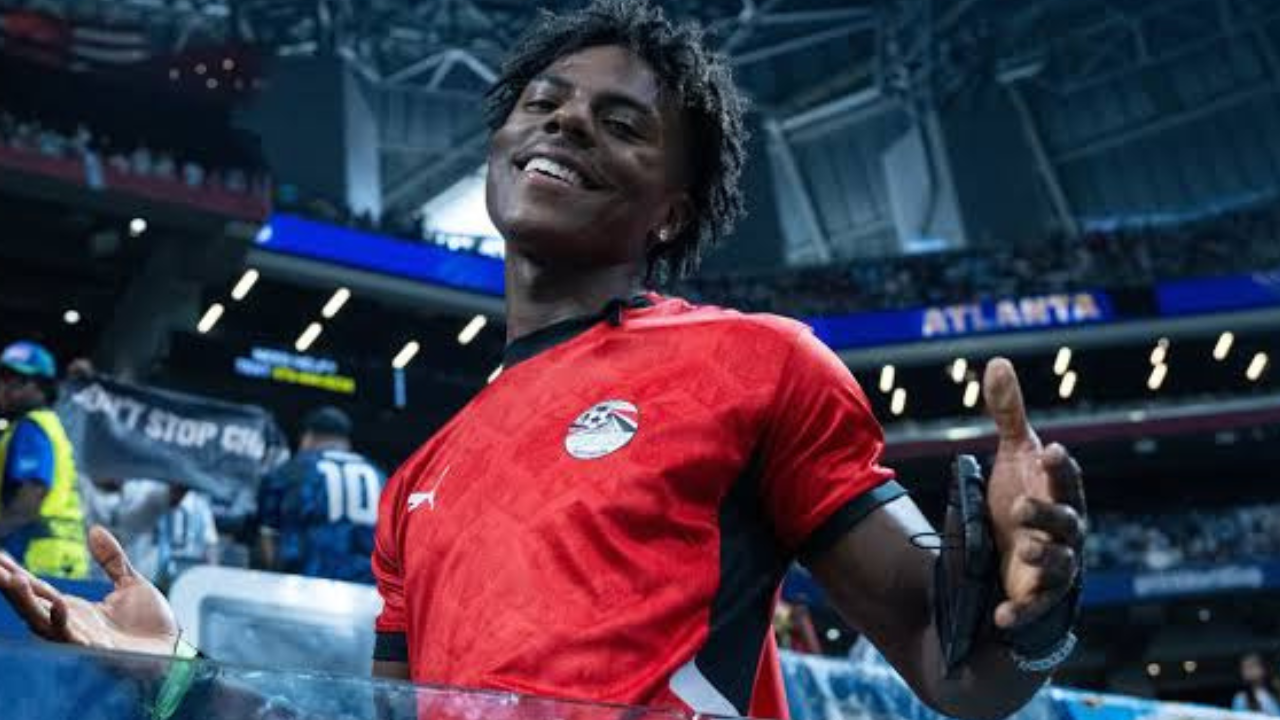
Darren Watkins Jr., known to tens of millions of teenagers and young adults simply as IShowSpeed, leans closer to his camera. His face tightens with the frantic, performative urgency that has made him one of the most recognized faces on the internet. A lone comment catches his eye. It mentions India.
He doesn't pause. He doesn't consult a spreadsheet or check a map. He just speaks, projecting his voice into the digital void with total conviction.
"India do need some help," he barks, gesturing wildly. "I'll play for India. I'll help y'all make it to the next World Cup. Hey India, if y'all want to make it to the next World Cup, Speed's right here."
Sitting beside him, British YouTuber KSI breaks into a loud laugh, asking the obvious question: Where exactly does an American streaming star with no professional sports background think he fits onto a tactical football pitch?
"I'll play winger," Speed fires back without missing a beat. "Winger, striker, or midfield. I feel like I'm the position right under the striker. I feel like I'm an attacking midfielder."
It is an absurd, hilarious, and entirely impossible proposition. But beneath the theatrical bravado lies a strange, uncomfortable truth about the state of global football. The exchange was a joke, but for millions of football fans in the world’s most populous nation, it stung. It reminded them of a massive, ongoing void.
Consider a stark reality. India is a global powerhouse of culture, technology, and economic ambition. Its sports market holds billions of dollars in potential. Yet, the nation has not seen its flag raised at a FIFA World Cup since 1950, a tournament where they ultimately did not even play a match. While small nations with populations under four million regularly compete on the grandest stage, a nation of 1.4 billion people watches from the sidelines, entirely dependent on foreign narratives for its football entertainment.
When an American creator with zero Indian heritage declares he will single-handedly carry the Blue Tigers to the 2030 World Cup, the absurdity highlights a real problem. It reveals the deep desperation of an entire country's sporting culture, waiting for a savior who isn't coming.
The rules of international football are rigid and unyielding. FIFA guidelines state that to represent a national team, a player must hold legal citizenship and possess clear biological or historical ties to the country. Speed possesses none of these. He is an American citizen whose closest connection to Indian football is a chaotic, highly publicized tourism trip to Mumbai and a handful of viral interactions with cricket star Virat Kohli. He cannot wear the jersey. He cannot rescue the midfield. He cannot lace up his boots for the qualifiers.
But the real problem lies elsewhere. The tragedy of Indian football isn't that a famous internet celebrity cannot legally play for the team. The tragedy is that for a brief, viral moment, the mere fantasy of his involvement felt more alive, more energetic, and more hopeful than the actual bureaucratic reality of the sport's domestic development.
For decades, the story of football in India has been one of administrative stagnation and unfulfilled promises. Grassroots systems struggle for funding. Young talent gets lost in a fractured youth scouting system. While the domestic Indian Super League has brought glitz, glamour, and aging European stars to local stadiums, it has not yet translated into a cohesive, lethal national squad capable of breaking through the grueling Asian qualification rounds.
The joke shared between two streamers in a studio reveals an invisible divide. On one side is the hyper-accelerated, modern world of digital entertainment, where anything can be willed into existence by a viral video. On the other side is the slow, grueling, and often disappointing reality of building a sports infrastructure from scratch.
Fans know that Speed will never play under the lights in Delhi or Kolkata. They know that the journey to the 2030 World Cup will be won or lost by local athletes who have spent their lives training on dusty fields, far away from the camera's glow.
Yet, there is a strange utility to the spectacle. By loudly demanding why India is absent from the world stage, an American content creator forces a conversation that many traditional sports executives would prefer to avoid. He shines a bright, harsh light on a sleeping giant that has been asleep for far too long. He turns a forgotten sporting struggle into an unavoidable global talking point.
The live chat eventually moves on, replacing the football debate with the next viral meme. The stream continues, Spain scores a goal, and the digital crowd cheers. But for the young fans watching from Mumbai, Goa, and Kerala, the underlying question remains unanswered. They are left with a lingering image of what could be, and a deep impatience for the day when their nation no longer needs a foreign internet star to make them feel like they belong on the pitch.