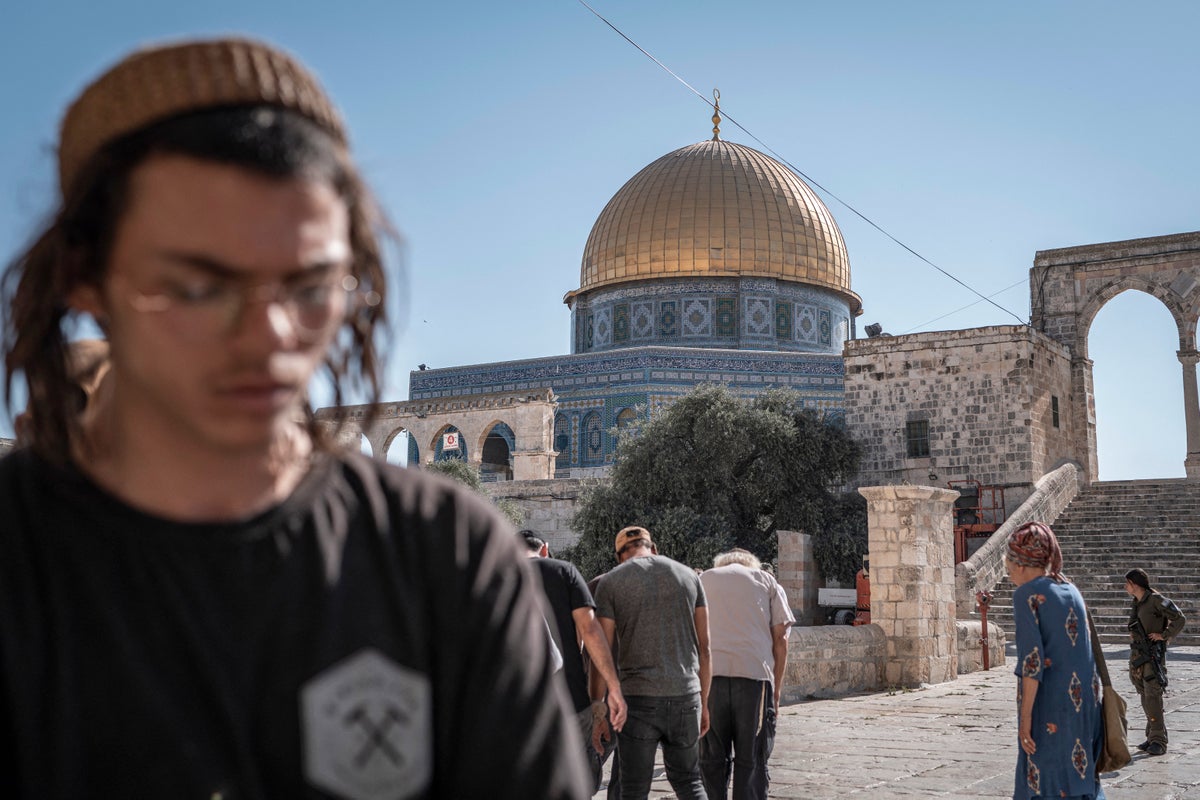
When a government warns that a religious conflict is around the corner, it pays to listen. Jordan recently raised red flags, calling an emergency meeting of Arab and Islamic foreign ministers to address what it terms an imminent Israeli takeover of Jerusalem's most critical Muslim holy site.
If you think this is just diplomatic theater, look closer. The compound housing the Al-Aqsa Mosque and the Dome of the Rock isn't just another piece of real estate. It's a tinderbox, and the current trajectory of events points straight toward a major regional explosion.
Breaking Down the Status Quo Breakdown
For decades, a fragile arrangement known as the status quo has kept a lid on tensions at the compound. Under this framework, overseen by Jordan's Hashemite monarchy, non-Muslims can visit the site, but only Muslims are permitted to pray there.
That boundary is eroding fast.
Recently, over 2,000 Israelis from the religious right—led heavily by national security figures—stormed the compound. They didn't just walk through. They openly prayed, performed rituals, and flouted historical agreements in what Jordanian officials correctly identify as the worst violation of its kind in modern history.
When state-backed actors push past these red lines, they aren't testing boundaries. They're rewriting them.
Why Jordan Is Sounding the Alarm Now
Amman isn't panicking over a single afternoon of unrest. The anxiety stems from a systemic shift.
Consider the warning signs piling up behind the scenes:
- A targeted recruitment drive for religious nationalists entering specialized police units tasked with overseeing the compound.
- Anticipated escalations designed to disrupt traditional Jordanian custodianship ahead of major regional holidays.
- Growing domestic pressure inside Jordan, where more than half the population traces its roots to Palestinian refugee communities, making local sentiment hypersensitive to changes in Jerusalem.
Jordanian Foreign Minister Ayman Safadi put it bluntly, noting that tampering with the holy site risks triggering a religious conflict that will ripple far beyond the borders of Palestine and Jordan into the wider Muslim world. Ignoring these warnings is a gamble the international community cannot afford to take.
The Broader Geopolitical Fallout
You have to look at the big picture to understand why this matters to anyone outside the Middle East. Jerusalem sits on a fault line of global stability.
When extremist factions alter the ground reality at Al-Aqsa, the shockwaves hit economic markets, diplomatic alliances, and regional security frameworks instantly. Previous flashpoints at this exact location—such as Ariel Sharon's provocative 2000 visit—helped ignite years of widespread violence during the second intifada. History doesn't always repeat itself word for word, but it rhymes loudly here.
The international community usually reacts only after the smoke clears. True strategy means addressing the structural erosion of religious agreements before the tipping point arrives. Keep your eyes on upcoming diplomatic summits and legislative shifts in Amman and Jerusalem, because the next few months will dictate whether this flashpoint cools down or burns completely out of control.


