Capital allocation within bilateral development frameworks exhibits persistent structural blind spots regarding demographic specificity. Recent data mapping by UNICEF regarding Official Development Assistance trends exposes a misalignment between the Foreign Office's geopolitical spending priorities and the physical vulnerability profiles of minors across the Global South. While state funding instruments prioritize fragile and conflict-affected states as monolithic entities, they frequently omit age-disaggregated risk metrics from baseline allocation models. This oversight generates a systemic capital deficit for populations enduring compounding environmental hazards. Addressing this inefficiency requires a shift from geographic-only targeting to vulnerability-weighted financial modeling.
The structural architecture of public expenditure management relies on macroeconomic indicators rather than micro-demographic risk exposures. When the UK Foreign, Commonwealth and Development Office calibrates multi-year spending allocations, recipient nations are evaluated through broad stability indices and sovereign risk ratings. Within this architecture, children function as passive externalities rather than explicit economic stakeholders or high-return investment targets.
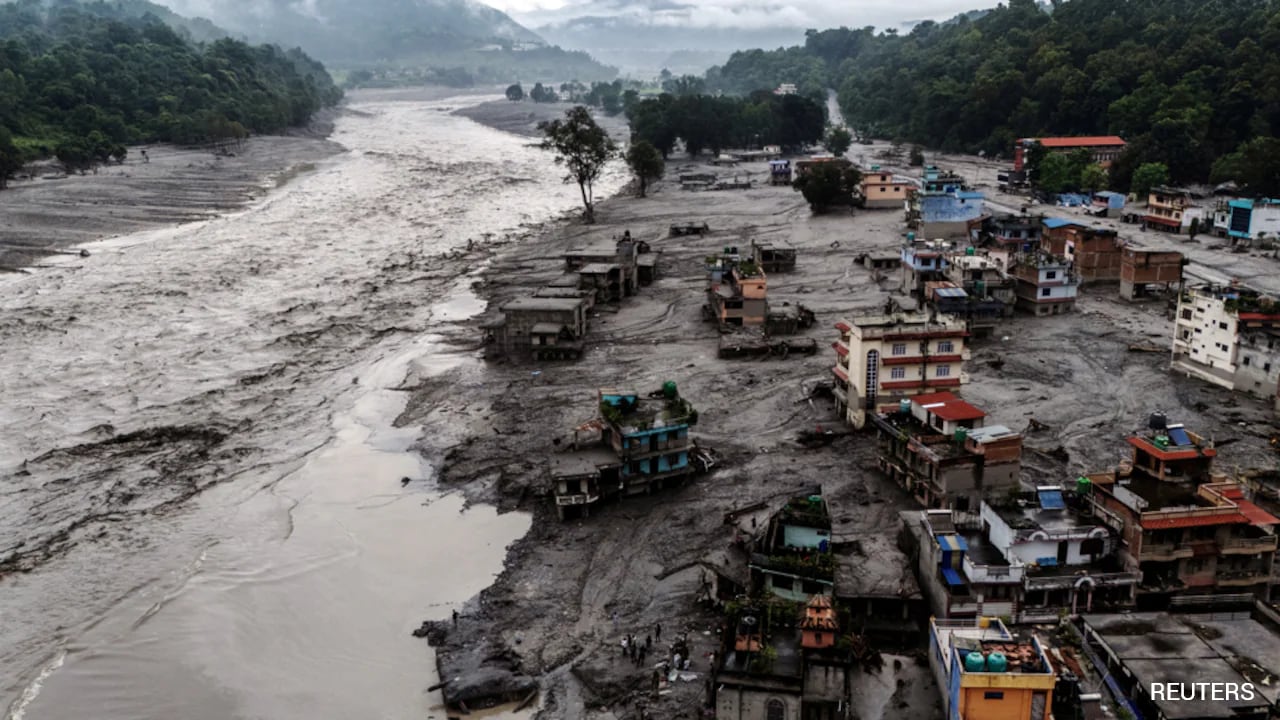
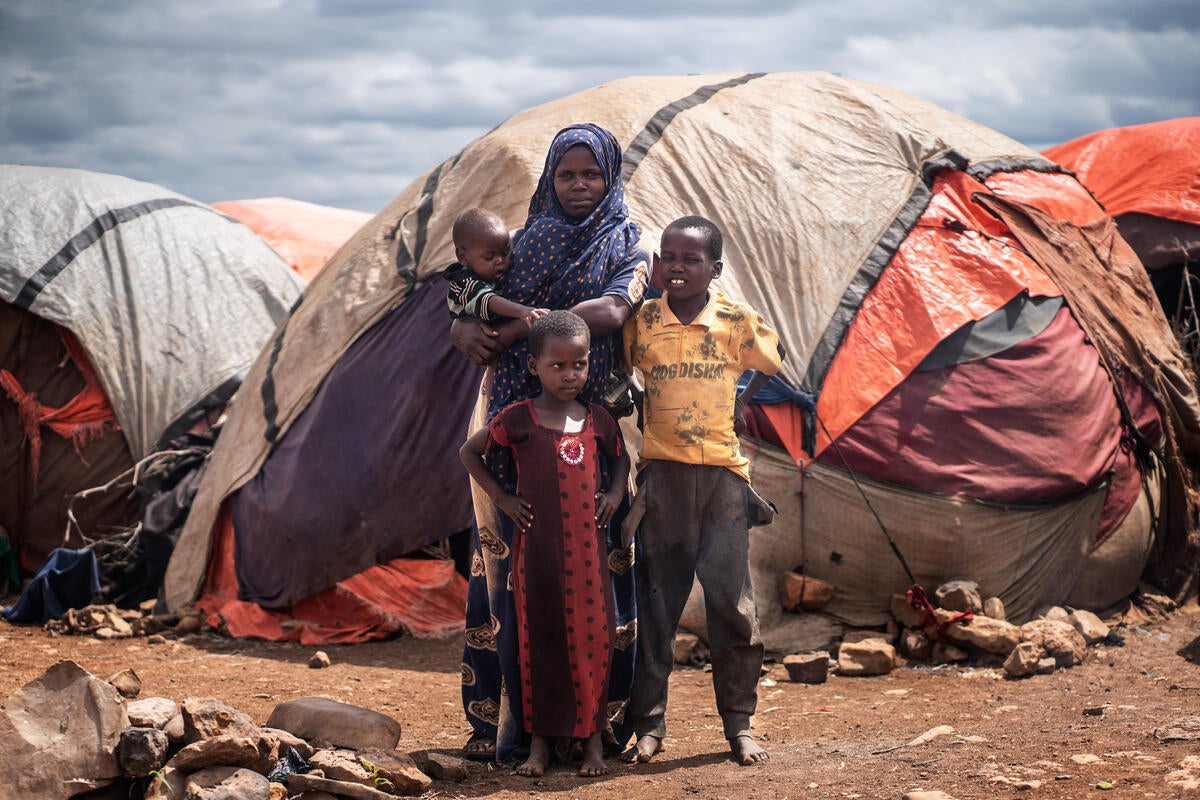
This creates a severe resource allocation mismatch. Nations slated for deep funding contractions over the next fiscal cycles—including Mozambique, Sierra Leone, Bangladesh, Nigeria, and Pakistan—simultaneously report that more than half of their minor populations face three or more concurrent environmental threats, ranging from extreme heat events to hydrological droughts. The reduction of bilateral flows to these specific zones penalizes cohorts whose physiological development is exceptionally sensitive to systemic shocks.
Examining the fiscal mechanics reveals why demographic groups fall through institutional gaps. Budget deployment follows a top-down priority cascade.
The primary filter is geopolitical triage. Funding flows preferentially toward territories experiencing active state fragility or violent conflict to mitigate immediate security spillovers.
The secondary filter is administrative centralization. Large-scale infrastructural projects, such as national grid modernizations or macro-dams, consume the majority of climate finance envelopes because they feature lower transaction costs per dollar disbursed compared to decentralized social sector interventions.
The tertiary filter is missing outcome metrics. Because standard bilateral aid evaluations track macroeconomic carbon abatement or national GDP resilience, programs targeting early childhood stunting, pediatric health center climate-proofing, or continuous educational access are undervalued in quantitative cost-benefit analyses.
This triple-filter mechanism systematically filters out child-centric adaptation projects. Interventions that insulate localized human capital—such as retrofitting rural schools with solar-powered cooling systems or constructing climate-resilient water points—frequently fail to clear the minimum capital expenditure thresholds required by centralized multilateral and bilateral funding bodies.
The economic cost function of failing to target pediatric populations during environmental transitions is compounding. Children possess higher metabolic rates, developing organ systems, and behavioral patterns that elevate their susceptibility to vector-borne diseases, thermal stress, and nutritional deficits. When extreme weather events destroy agricultural yields or compromise local water tables, infant malnutrition spikes. This initiates a permanent cognitive and physical productivity penalty that follows the cohort into adulthood, depressing regional human capital formation for decades.
Traditional climate finance mechanisms treat adaptation as an infrastructure problem. Economic optimization theory demonstrates that treating adaptation as a human capital preservation problem yields significantly higher long-term dividends. Allocating resources to shock-responsive social protection systems—such as scalable safety nets that automatically disburse cash transfers to families with young children ahead of predicted droughts—prevents irreversible coping strategies like child labor or forced migration.
Restructuring foreign assistance budgets to capture these externalities requires operationalizing a dedicated allocation floor. Advocacy frameworks proposing that at least 25 per cent of bilateral development assistance be explicitly channeled into child-focused climate programs provide a quantifiable target for portfolio rebalancing. This is not merely a philanthropic objective; it is a risk mitigation strategy designed to prevent systemic state failure in high-hazard regions.
To operationalize this correction, funding agencies must abandon the false dichotomy between mitigation finance and human development finance. Integrating climate-resilient social services into the core of bilateral aid agreements ensures that public capital strengthens the exact institutional buffers—local health posts, community water networks, and basic education facilities—that prevent localized environmental shocks from escalating into humanitarian catastrophes.
Establish a mandatory child-vulnerability weighting index within all bilateral climate finance appraisal models, ensuring that funding reductions cannot be executed in regions where minor populations face three or more overlapping environmental hazards.