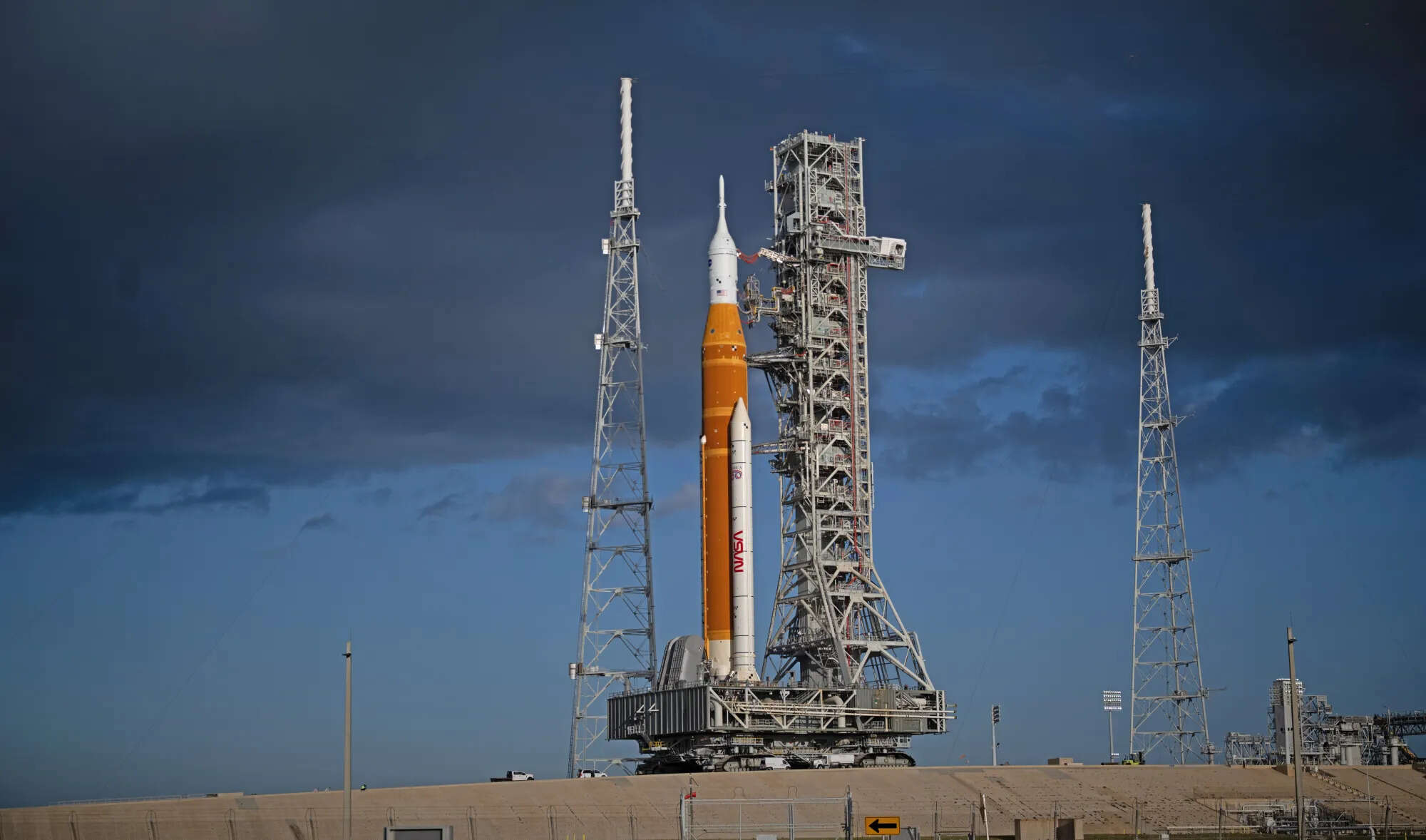
NASA just flipped the script on how we're going to live in space. For years, the plan was the Lunar Gateway—a shiny, expensive space station orbiting the Moon. It was meant to be a pit stop for astronauts. But on March 24, 2026, NASA Administrator Jared Isaacman essentially said "change of plans." The US is skipping the orbital waiting room and heading straight for the dirt.
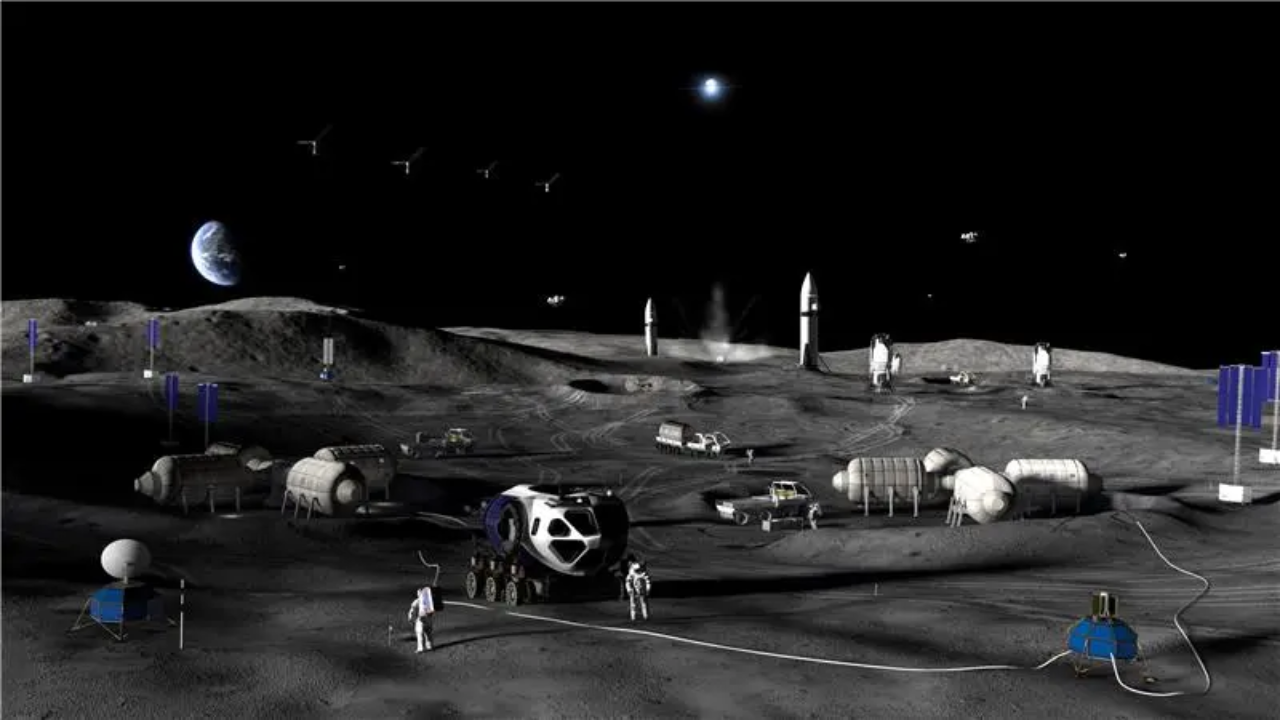
The new strategy, dubbed the "Ignition" plan, isn't just about planting another flag. It's a $20 billion pivot toward building a permanent, functional city on the lunar surface. More importantly, it’s about making sure that once we land, we never have to pack up and leave again. If you've been following the slow-burn progress of the Artemis missions, this is the moment things actually got interesting.
The Three Phase Road to a Lunar City
We aren't just dropping a habitat on the Moon and calling it a day. NASA's roadmap is a cold, calculated three-step process designed to build infrastructure that lasts centuries, not weeks.
Phase One (2026–2028): The Robotic Scout Era
Right now, the focus is on volume. NASA is planning up to 30 robotic lander missions by 2027. These aren't just for "science" in the abstract; they're looking for the best spots to put the heavy stuff. We’re talking about mapping the lunar South Pole, specifically near the Shackleton crater, where water ice is hidden in the shadows.
Phase Two (2029–2032): Semi-Habitable Infrastructure
This is where it gets real. This phase focuses on the "unsexy" but vital stuff: power grids, communication networks, and roads. Japan’s space agency (JAXA) is already on the hook for a pressurized rover—basically a lunar camper van that lets astronauts live and work for weeks without needing to return to a base.
Phase Three (2033 and Beyond): Permanent Occupation
This is the "Moon City" phase. We’re talking about Italian-designed permanent habitats and heavy-duty cargo systems. The goal is a continuous human presence, transitioning from 28-day missions to basically living there full-time.
The Nuclear Secret Sauce
You can’t run a moon base on solar panels alone. A lunar night lasts 14 Earth days. If you rely on the sun, you freeze and your life support dies the moment the lights go out.
NASA is doubling down on nuclear fission reactors. These aren't the massive cooling-tower plants you see on Earth. They’re small, modular units being developed with the Department of Energy. By 2030, the plan is to have a reactor humming away on the lunar surface, providing 24/7 power regardless of where the sun is.
But the nuclear ambition doesn't stop at the Moon's surface.
Freedom and the Nuclear Sprint to Mars
The most aggressive part of this update is the SR-1 Freedom. It’s the first nuclear-powered interplanetary spacecraft, and NASA wants it launched by December 2028.
Why nuclear? Because chemical rockets are slow and inefficient for the long haul. The SR-1 Freedom will use Nuclear Electric Propulsion (NEP). It’s essentially using a nuclear reactor to generate electricity that then fires out ions at incredibly high speeds.
I’ll be honest: the timeline is tight. NASA is aiming to have the design finished by June 2026 and the hardware ready for a 2028 launch window. This mission is a "pathfinder," meaning it’s a test to see if we can actually fly a reactor through deep space without it breaking. If it works, it cuts the travel time to Mars significantly and makes the whole trip much safer for humans.
Why the Sudden Rush
If you’re wondering why NASA is suddenly moving with the urgency of a tech startup, look at the calendar. China is aiming for a crewed lunar landing by 2030. The "Ignition" plan is a direct response to ensure American leadership isn't just symbolic.
By scrapping the orbital Gateway station, NASA is freeing up billions of dollars and years of development time. They’re repurposing that hardware—like the Power and Propulsion Element—straight into the Mars mission and the surface base. It’s a scrappy, "get it done" approach that feels more like the 1960s than the 2010s.
What This Actually Means for You
We aren't just talking about a few lucky astronauts. This shift signifies the beginning of a true space economy.
- Commercial Takeover: NASA is moving from "building rockets" to "buying rides." They want at least two different companies (like SpaceX and Blue Origin) to provide regular flights to the Moon every six months.
- The 250th Birthday Present: Launching a nuclear rocket in 2028—the 250th anniversary of the US—is a massive PR move, but it’s backed by real engineering.
- Mars Helicopters: The SR-1 Freedom will drop a "Skyfall" payload on Mars—three advanced helicopters based on the Ingenuity design. These will scout for water and future landing sites while we're still busy building on the Moon.
The takeaway is simple: the era of "flags and footprints" is dead. We're moving into the era of settlement and industry. If you want to stay updated on the hardware specs of the SR-1 or the specific landing coordinates for Phase One, keep an eye on the upcoming NASA "Ignition" progress reports scheduled for later this year.