For years, asking an American about China yielded a predictable response. Pure hostility. Total suspicion. The kind of knee-jerk coldness born from trade wars, pandemic fallout, and endless headlines about rising geopolitical threats. But public sentiment doesn't stay frozen forever. A Pew Research Center survey shows that American views toward China are actually warming up.
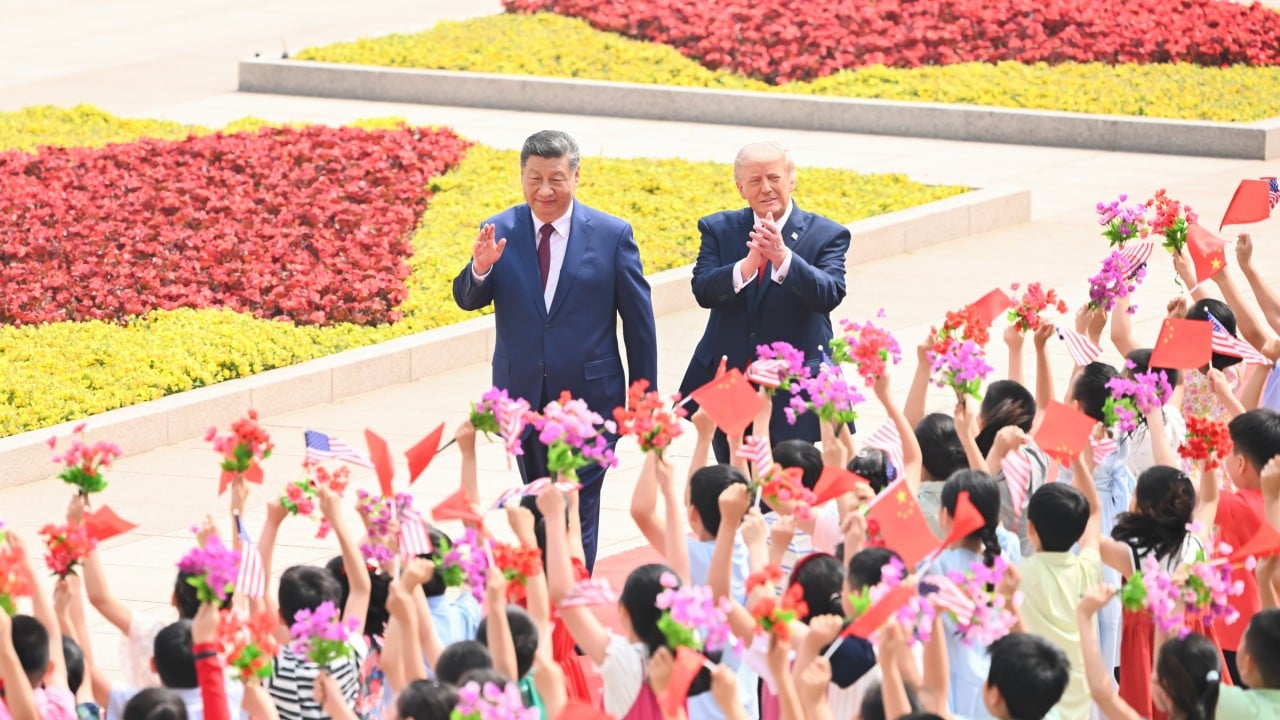
It's a subtle shift rather than a massive about-face, yet it matters. Conducted just before the high-stakes summit between President Donald Trump and Chinese President Xi Jinping in Washington, the data reveals that the share of Americans holding intensely negative views has dropped. Cold opinions are cooling down into something more nuanced, driven by shifting economic realities, changing generational attitudes, and a White House that has leaned into tactical trade deals alongside high-stakes confrontation.
The Numbers Behind the Shift
Let's look at the actual data instead of guessing. On Pew’s traditional feeling thermometer—where zero means absolute hostility and 100 represents peak warmth—the baseline sentiment remains on the cooler side, but the extremes are softening.
The percentage of U.S. adults holding a cold view of China has fallen from 68% down to 54%. Meanwhile, neutral opinions have ticked up to 27%, and the share of Americans expressing genuinely warm views has climbed to roughly 19%. It is not an uncritical embrace of Beijing, but it represents a clear retreat from the peak animosity seen during pandemic-era tensions.
Simultaneously, other polling indicators match this trajectory. The Chicago Council on Global Affairs found that fewer Americans view China's territorial ambitions as an immediate critical threat compared to previous years. More citizens now favor a strategy of active economic engagement over total containment. When everyday citizens look at global stability, the definition of the adversary is changing. Fewer people label China an outright enemy and more view it as a fierce, permanent competitor.
Politics and Generation Gaps
Public opinion on foreign policy is rarely monolithic, and the partisan divide remains wide. Democrats and Democratic-leaning independents consistently report warmer views of China than Republicans. About 26% of Democrats view China warmly, compared to just 10% of Republicans.
Even among Republicans, though, the extreme hostility is softening. The share of GOP respondents giving China a zero rating on the feeling thermometer dropped significantly over recent years. Partisan rhetoric at the top tends to be loud, but voters on both sides are recognizing that cutting ties entirely is economically unviable.
Age is the other massive divider. Younger Americans under 50 are far more open-minded than older demographics. Gen Z and Millennials don't carry the same Cold War mental models or historical baggage. They grew up in a multipolar world where China's economic and technological presence is simply a baseline reality. This generational gap ensures that long-term American foreign policy will face internal pressure to move away from zero-sum hostility.
What Drove the Thaw
Diplomacy doesn't happen in a vacuum. White House messaging plays a major role in shaping public perception. While the administration has maintained aggressive tariffs and strict tech controls, it has also pursued economic truces and direct talks. When leaders sit down for handshakes, state dinners, and high-profile summits, the public tone shifts from imminent crisis management to managed competition.
Diplomatic experts note that this moderation stems from fatigue over perpetual crisis. Other global conflicts occupy the news cycle, and the domestic focus on inflation makes voters acutely sensitive to the cost of severed supply chains. People want economic stability above ideological purity. Recognizing China as a tough economic competitor rather than an imminent military threat changes how voters process international news every single night.
The Reality of Managed Competition
This warming trend doesn't mean a return to naive globalism. Washington and Beijing remain locked in deep structural competition over artificial intelligence, semiconductor supply chains, security in the Asia-Pacific region, and global economic influence. Intelligence agencies and congressional leaders still view Beijing as the primary long-term strategic challenge facing the United States.
Yet the American public is drawing a fine line between fierce competition and outright conflict. People are learning to separate trade disputes from geopolitical doom. As the recent polling proves, public opinion can adapt when reality demands it. The real test is whether Washington's policymakers can match this pragmatic shift with steady, level-headed strategies that avoid unnecessary escalation while protecting national interests.