You reach the gate, check the monitor, and watch your flight status flip from on-time to delayed indefinitely. It happens all the time now. When a routine equipment failure at a single regional facility can halt hundreds of flights across the entire Northeast, you realize just how fragile our national aviation network has become.
An FAA equipment outage at the Philadelphia Terminal Radar Approach Control facility triggered sweeping ground stops across major hubs like Newark Liberty International Airport, Philadelphia International, Teterboro, and briefly rippled into New York's JFK and LaGuardia. Nearly 70 flights bound for Newark had to divert mid-air, while hundreds of others were canceled outright. Passengers spent hours stranded on tarmacs and crowding terminal concourses. But looking at this as an isolated weather or tech glitch misses the bigger picture. This infrastructure is running on borrowed time. For an alternative look, consider: this related article.
What Actually Triggered the Northeast Ground Stops
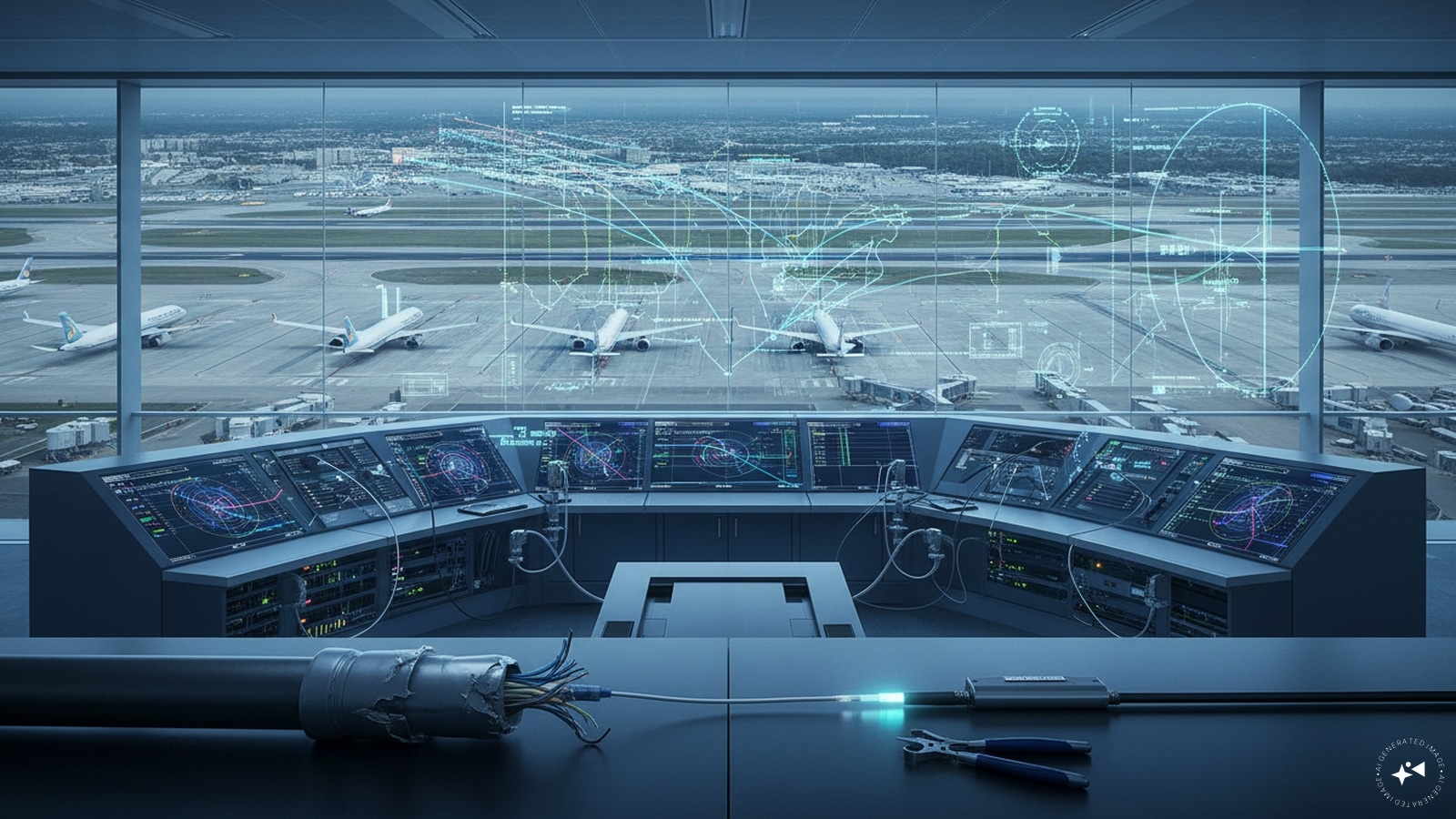
The breakdown wasn't some sophisticated cyberattack or mysterious software bug. It came down to a physical fiber-optic cable and a backup system that wasn't there when it mattered.
According to federal officials, the primary telecom circuit serving the Philadelphia TRACON facility failed during routine operations. When systems tried to switch over to the designated backup line, controllers discovered that line had been severed by an Amtrak construction crew working adjacent to the rail line. Verizon maintained that its local facilities operated normally up until the physical line was cut. Related analysis regarding this has been published by Travel + Leisure.
With both primary and backup data pathways dead, air traffic controllers temporarily lost vital radar feeds and radio frequencies. The FAA had no choice but to slam the brakes on departures, causing delays stretching up to 150 minutes and forcing cascading cancellations through the evening.
A History of Chronic Failures at Philadelphia TRACON
If you fly through the Northeast frequently, this latest meltdown feels entirely too familiar. The Philadelphia facility has a turbulent track record since it absorbed the airspace responsibilities for Newark Liberty from the New York TRACON.
That airspace transfer was supposed to fix chronic delays at Newark by streamlining traffic management. Instead, the facility has faced a string of high-profile technical failures. Back in the spring of 2025, a series of radar and communication crashes forced controllers flying blind to manage heavy traffic streams. One severe incident left controllers so overwhelmed that multiple staff members required trauma leave.
Critics and aviation unions have pointed out that patching extra airspace onto an already overextended facility creates a single point of failure for the entire Northeast corridor. When that facility stumbles, the commercial aviation ecosystem grinds to a halt.
The Human Cost and Airline Ripple Effects
Travelers bear the brunt of these infrastructure vulnerabilities every single time. A two-hour ground stop doesn't just push a flight back by two hours. It ruins crew pairing schedules, displaces pilots, strands aircraft at the wrong gates, and throws off connection windows for thousands of passengers traveling cross-country.
Airlines like United, which operates its massive primary hub at Newark, absorb immense operational strain during these outages. Carriers scramble to rebook passengers, manage hotel vouchers, and absorb heavy financial penalties, even though the root cause sits entirely outside their control with federal infrastructure.
What Fixes This Before the Next Breakdown
Transportation officials and lawmakers agree that upgrading the national airspace system is overdue, but progress moves at a glacial pace compared to the demands of modern air travel. Upgrading aging copper networks to resilient fiber, modernizing regional radar systems, and building redundancies into backup communication lines require sustained federal capital funding.
Staffing shortages compound the hardware problem. Air traffic control facilities across the country continue to operate below target headcount, leaving workers exhausted and systems vulnerable to minor disruptions turning into major crises.
Until Congress and the FAA commit to a complete overhaul of regional air traffic architecture rather than quick patch jobs, passengers should expect more summer and autumn travel seasons defined by sudden ground stops and software failures. Next time you book a tight connection through the Northeast, keep a close eye on the weather and the underlying infrastructure news—because the equipment carrying your flight might already be overdue for a replacement.