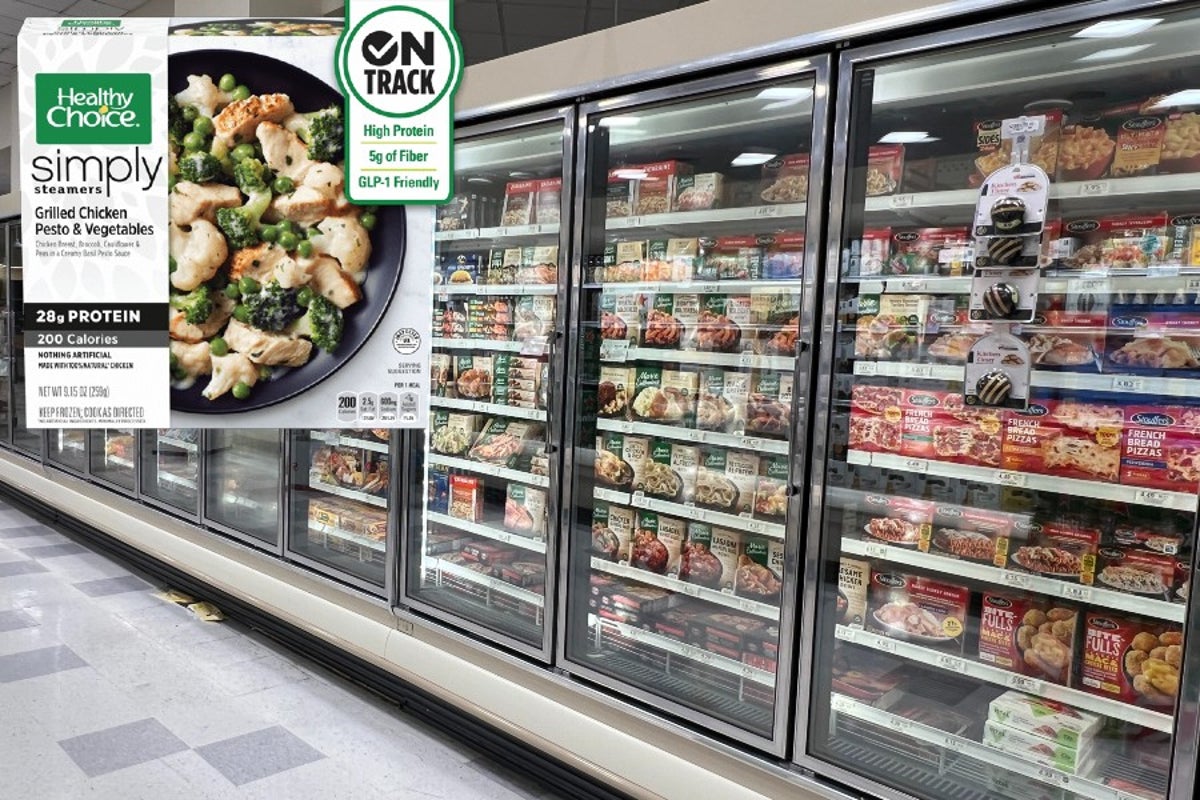
The rapid adoption of glucagon-like peptide-1 (GLP-1) receptor agonists is systematically dismantling volume-driven growth strategies in the consumer packaged goods (CPG) sector. When an individual initiates a GLP-1 regimen, clinical appetite suppression triggers an immediate compression in caloric intake, averaging a 21% reduction annually. For food manufacturers historically reliant on increasing volume sales per household, this behavioral shift introduces a structural revenue vulnerability.
To hedge against this systemic drop in volume, major food brands are deploying a positioning strategy known as "companion nutrition." Rather than inventing entirely new formulations, companies like Conagra Brands and Mission Foods are repackaging existing low-calorie, high-fiber, and protein-dense stock-keeping units (SKUs) with explicit "GLP-1 friendly" packaging badges. This tactical pivot shifts the corporate value proposition from quantity-driven indulgence to nutrient-density optimization, transforming a macroeconomic threat into a margin-preservation vehicle.
The Three Pillars of Companion Nutrition Valuation
The economic viability of the companion nutrition market—projected to reach $157.5 billion by 2035—rests on three distinct pillars of consumer behavior altered by GLP-1 medications.
               ┌────────────────────────────────────────────────────────┐
               │    The Three Pillars of GLP-1 Companion Nutrition     │
               └───────────────────────────┬────────────────────────────┘
                                           │
         ┌─────────────────────────────────┼────────────────────────────────┐
         ▼                                 ▼                                ▼
┌─────────────────┐               ┌─────────────────┐              ┌─────────────────┐
│ 1. Caloric      │               │ 2. Gastro-      │              │ 3. Volumetric   │
│    Optimization │               │    intestinal   │              │    Reduction    │
│                 │               │    Mitigation   │              │                 │
│ Maximizing nutrient             │ Neutralizing side              │ Leveraging      │
│ density per bite                │ effects like slowed            │ smaller form    │
│ to halt muscle mass             │ gastric emptying               │ factors to curb │
│ degradation.                    │ via high fiber.                │ food waste.     │
└─────────────────┘               └─────────────────┘              └─────────────────┘
Caloric Optimization
Because overall food volume decreases, the nutritional profile of each remaining calorie must be mathematically maximized. GLP-1 users require high-protein inputs to prevent the lean muscle mass degradation frequently associated with rapid weight loss. The market demand shifts from empty carbohydrates to macro-optimized delivery mechanisms.
Gastrointestinal Mitigation
The physical mechanism of GLP-1 agonists includes delayed gastric emptying, which frequently induces side effects such as nausea and severe constipation. Food products containing high fiber content and easily digestible components act as non-pharmacological interventions, making functional fiber a baseline requirement for compliance with the consumer's altered physiology.
Volumetric Reduction and Carrier Efficiency
Large portion sizes induce a negative psychological response and lead to physical food waste for consumers with suppressed appetite. The commercial success of items like modified tortillas relies on their utility as low-carbohydrate, high-fiber structural carriers. They allow consumers to assemble micro-meals that are highly customizable, portion-controlled, and shelf-stable.
The Economics of Front-of-Package Rebranding
The deployment of "GLP-1 friendly" or "On Track" badges across existing food lines represents a low-capital, high-margin asset utilization strategy. Conagra's application of these badges to its Healthy Choice Café Steamers highlights the structural efficiency of this framework.
| Variable | Structural Rebrand Strategy | Novel Product Development |
|---|---|---|
| Capital Expenditure (CapEx) | Near-Zero (Plate/Packaging artwork modifications only) | High (R&D, ingredient sourcing, manufacturing retooling) |
| Time-to-Market | 1 to 3 Months | 12 to 24 Months |
| Slotting Fee Exposure | Low (Maintains established retail shelf placement) | High (Requires purchasing new retail shelf real estate) |
| Regulatory Risk | Minimal (Relies on pre-approved USDA/FDA macro profiles) | Elevated (Requires new ingredient declaration clearances) |
The math driving this choice is clear. The base volume of active GLP-1 users, while growing, represents approximately 7% to 12% of the adult domestic consumer base. Developing a standalone, dedicated brand for this demographic introduces significant manufacturing complexity and supply chain overhead. If a brand fails to secure high-volume velocity, retailers will quickly reclaim the shelf space.
Rebranding an established SKU preserves existing retail distribution lines. It captures the premium spending of the GLP-1 consumer without alienating the standard consumer who views the underlying product simply as a low-calorie meal choice.
Regulatory Arbitrage and Consumer Trust Bottlenecks
This operational playbook operates within a distinct regulatory gray area. The Food and Drug Administration (FDA) and the United States Department of Agriculture (USDA) maintain strict guidelines regarding explicit structure-function claims on food labels. However, the phrase "GLP-1 friendly" lacks a formal institutional definition.
This absence of centralized standards creates a multi-layered market bottleneck:
- Consumer Confusion and Efficacy Misinterpretation: Front-of-pack labeling risks implying that the food item itself contains pharmacological properties or will actively induce weight loss independent of medication.
- The Nutritional Backlash: Flipping the package reveals that many shelf-stable and frozen convenience options carry high sodium levels, chemical stabilizers, and emulsifiers. These additives can conflict with a patient's heightened gastrointestinal sensitivity.
- Medical Community Skepticism: Clinical dietitians consistently emphasize whole-food nutrition—such as lean home-cooked proteins, whole grains, and fresh vegetables—over ultra-processed convenience foods carrying marketing badges.
As a result, front-of-pack claims provide an immediate competitive advantage for early adopters, but they face diminishing returns as consumer literacy grows and regulatory bodies begin drafting formal labeling frameworks.
Tactical Execution Blueprint for Food Manufacturers
For CPG brands attempting to navigate this structural shift, long-term market retention cannot rely solely on graphic design updates. Manufacturers must systematically audit and reformulate their portfolios to align with the physiological needs of the consumer.
Step 1: Formulate for the Target Macro Target
Products must target an exact nutritional profile that matches the target macro targets of a calorie-restricted diet. For a single convenience portion, the benchmark is a minimum of 20 to 30 grams of protein alongside 5 to 8 grams of dietary fiber, while keeping total energy density below 400 calories.
Step 2: Mechanical Integration of Soluble and Insoluble Fiber
Rather than utilizing synthetic binders, formulas must incorporate functional fibers such as inulin, oat fiber, or psyllium husk. These ingredients serve a dual purpose: they provide structural integrity to low-carbohydrate carriers (like wraps and flatbreads) while actively mitigating the specific gastrointestinal side effects of GLP-1 therapies.
Step 3: Mitigation of Micronutrient Deficiencies
Appetite suppression inherently lowers total vitamin and mineral intake. Forward-looking formulation requires fortifying carbohydrate alternatives and single-serve meals with critical micronutrients, specifically Vitamin B12, iron, and magnesium, which are essential for sustained metabolic energy production.
Step 4: Strategic Pricing Symmetry
The high cost of GLP-1 therapies creates a distinct budget constraint for consumers. Positioning premium-priced, hyper-functional foods adds an unsustainable financial burden. Capitalizing on this market requires maintaining entry-level pricing structures—such as the $3.49 to $3.99 MSRP threshold seen in frozen entry lines—to remain an accessible daily utility rather than an occasional wellness luxury.
The window for simple packaging maneuvers is rapidly closing. The food manufacturers that secure long-term market share will be those that transition from marketing-led rebranding to deep, scientifically validated product optimization, treating the GLP-1 consumer not as a temporary marketing trend, but as a permanent shift in human nutrition requirements.