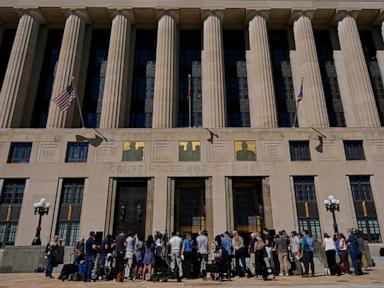
The defendant stood before the bench and entered a formal denial of guilt. A plea of not guilty marks the opening act of a protracted judicial process, yet for the community left behind, the legal maneuvering offers little solace. When a pensioner is targeted, the reverberations extend far beyond a single courtroom in a quiet jurisdiction. Society is forced to confront uncomfortable truths regarding how the elderly are protected, how crimes against the most vulnerable are investigated, and how the gears of justice grind forward under intense public scrutiny.
Legal proceedings follow a predictable script. Defense attorneys file motions, prosecutors assemble circumstantial evidence and witness testimonies, and judges manage procedural timelines. Beneath this procedural veneer lies a darker reality of systemic failure. Vulnerable populations often live in isolation, making them targets for opportunistic violence or calculated exploitation. The accused facing charges of murdering a pensioner sets off a chain reaction of media speculation and public grief, but the institutional vulnerabilities that allowed such a tragedy to occur rarely receive the same level of rigorous examination.
The Mechanics of Prosecution in High-Stakes Trials
Building a murder case requires meticulous forensic accounting of time, space, and intent. Investigators sift through digital footprints, cellular tower pings, and physical evidence collected from the crime scene. When the victim is an elderly person living alone, establishing an exact timeline becomes extraordinarily complex. Without immediate witnesses or sophisticated home security systems, detectives must rely on indirect markers of daily routine.
Every missed phone call, uncollected mail delivery, and abrupt change in banking activity becomes a critical data point. Prosecutors construct a narrative piece by piece, anticipating the counterarguments that defense counsel will inevitably deploy. The not-guilty plea ensures that every piece of evidence will be tested under the adversarial system. This framework aims to safeguard the innocent, but it also subjects grieving families to a grueling cycle of delays and evidentiary hearings.
Isolation as an Accelerant of Crime
Modern urban and suburban planning has inadvertently fostered environments where isolation is the norm rather than the exception. Neighbors no longer know each other's names, let alone check in on elderly residents during periods of inclement weather or extended absence. This atomization of local communities creates a protective bubble for perpetrators.
When a pensioner is assaulted or murdered in their own home, it usually reveals a breakdown in the informal safety nets that once sustained neighborhoods. Social services are chronically underfunded, leaving community health workers overburdened and unable to monitor high-risk individuals. Criminals operating in these spaces exploit the lack of surveillance and the absence of communal oversight.
The Illusion of Closure in the Judicial System
Media coverage of criminal trials tends to focus heavily on courtroom drama, verdict predictions, and dramatic testimony. This obsession with the theater of law obscures the fundamental inadequacy of post-crime remedies. A guilty verdict does not restore life, nor does it repair the frayed fabric of community trust.
True security requires a shift from reactive punishment to proactive safeguarding. Communities must invest in programs that integrate older adults into active social networks rather than pushing them to the margins. Until systemic isolation and the undervaluation of elderly lives are addressed directly, courtroom battles will remain nothing more than post-mortems on avoidable tragedies.