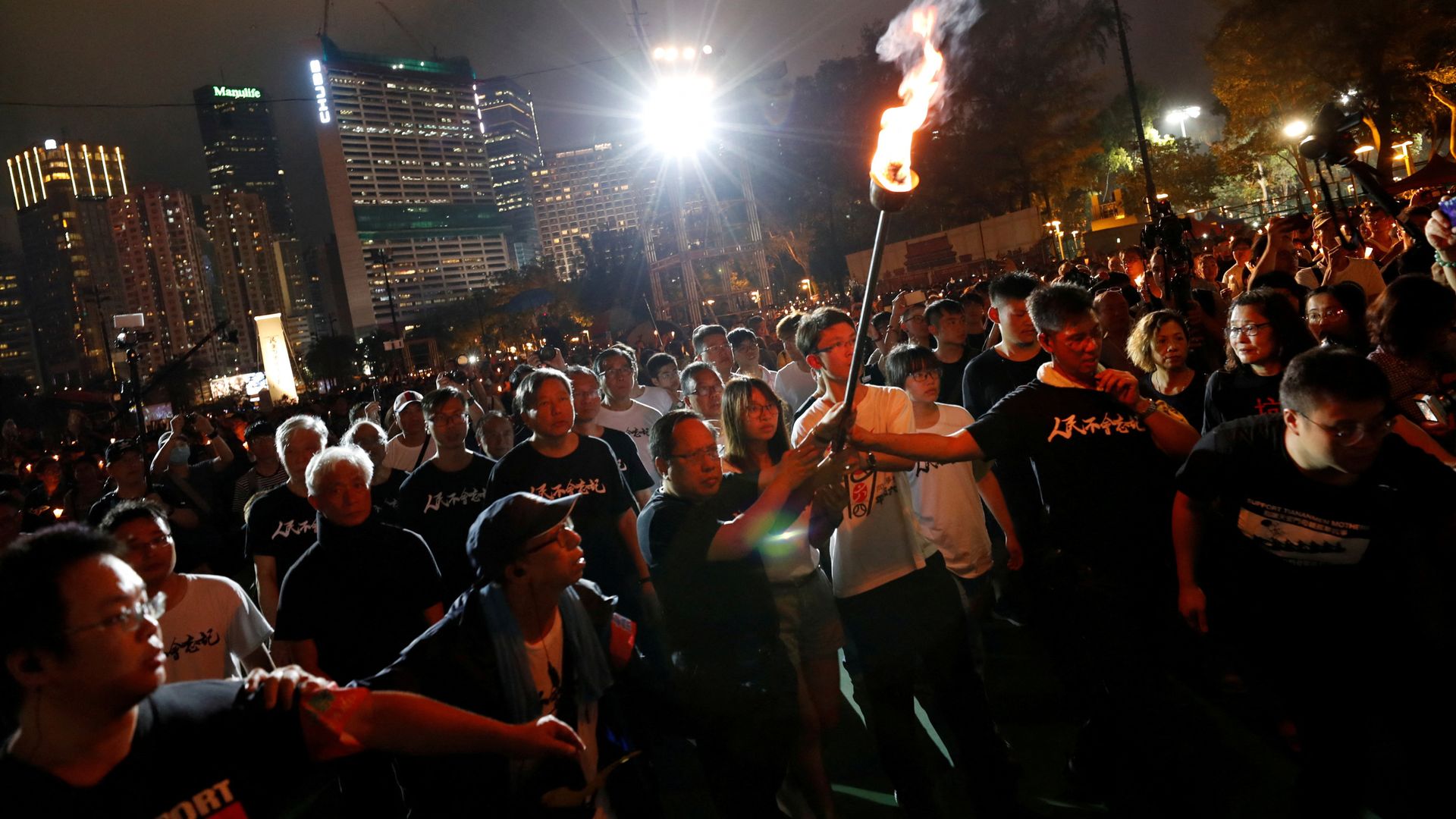
State power rarely operates through raw coercion alone. More frequently, the apparatus of a sovereign state codifies political compliance into administrative and criminal law, transforming public expression into manageable legal liabilities. The judicial processing of the Hong Kong Alliance in Support of Patriotic Democratic Movements of China illustrates this structural dynamic. When courts convict organizers of public assemblies under specific statutory provisions, the mechanism reveals how modern governance neutralizes dissent not by banning ideology outright, but by criminalizing the organizational architecture required to sustain it.
Understanding this trajectory requires examining the precise statutory framework governing public assemblies in the jurisdiction. The shift from an administrative notification regime to an authorization model alters the risk calculus for any civic organizer. Under the Public Order Ordinance, the legal threshold moves from a baseline assumption of assembly rights to a discretionary permit system managed by law enforcement bodies.
This structural transition introduces three distinct operational vulnerabilities for dissident organizations:
- The Liability Bottleneck: Individual leaders bear criminal responsibility for collective actions that fail to secure official authorization, transforming decentralized participation into centralized executive liability.
- The Resource Drain: Protracted litigation consumes financial reserves and organizational bandwidth, neutralizing the institutional memory of the movement through judicial attrition.
- The Precedent Effect: Judicial rulings establish narrow definitions of acceptable public discourse, creating a chilling effect that deters future mobilization without requiring new legislation.
The prosecution of the vigil organizers demonstrates the convergence of statutory interpretation and enforcement priorities. When a court evaluates the failure to notify or the refusal to disband, the legal arguments focus on public safety and order maintenance. However, the systemic outcome is the systematic dismantling of recurring focal points for political memory. The state treats the physical gathering not as an exercise in free expression, but as an unauthorized vector of collective mobilization that challenges administrative monopoly over public space.
Observers often misinterpret these legal actions as isolated events or ad-hoc responses to specific political tensions. This perspective misses the underlying institutional logic. Legal compliance in this context functions as an asymmetric filter. The state establishes compliance thresholds that are functionally impossible for opposition groups to meet while maintaining their core identity and messaging. When organizers attempt to operate within these restrictive parameters, they face internal fragmentation. When they bypass them, they face immediate criminal sanction.
The operational consequence for civic groups is a permanent state of strategic paralysis. Organizations must choose between total self-censorship to satisfy administrative gatekeepers or outright dissolution to protect individual members from felony convictions. Neither option permits the continued pursuit of their original political objectives. The legal apparatus thus achieves its structural objective: the complete privatization of dissent, driving political grievances out of the public square and into isolated, atomized channels where they pose no systemic challenge to state authority.
Future administrative measures will likely bypass public trials altogether, relying instead on asset freezes, professional deregistration, and targeted financial compliance audits to starve dissident networks of operational resources before they can organize public demonstrations.