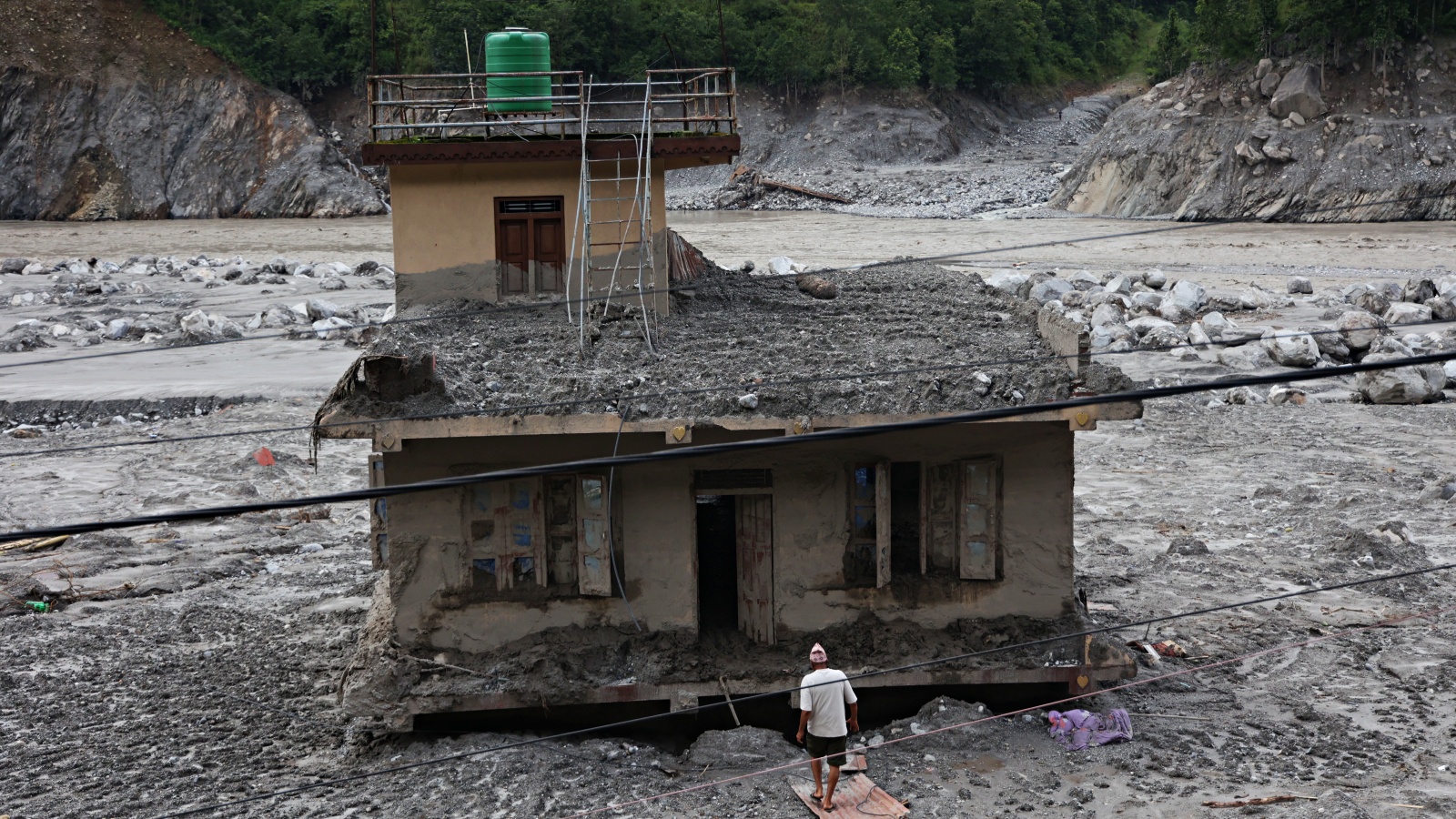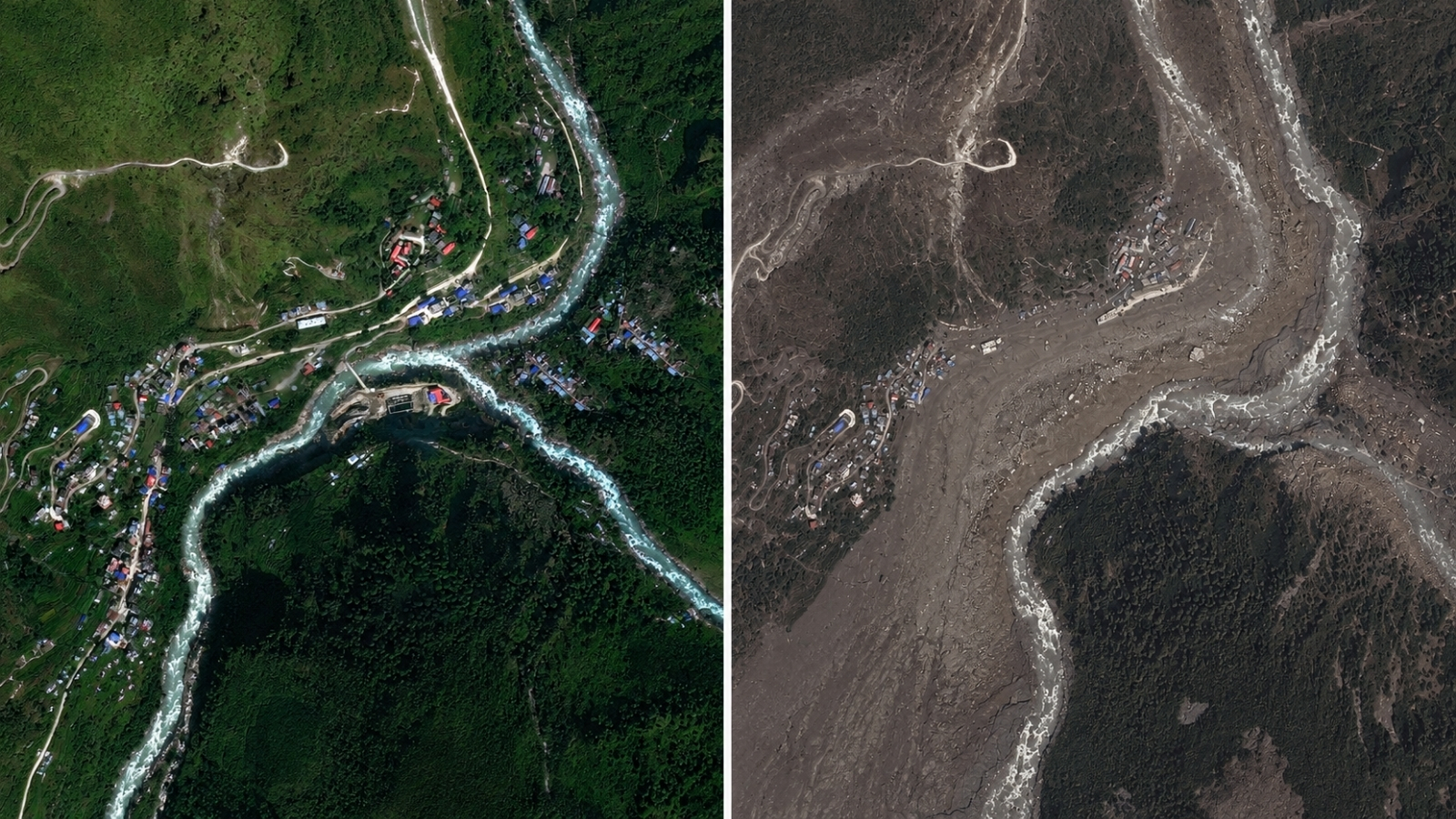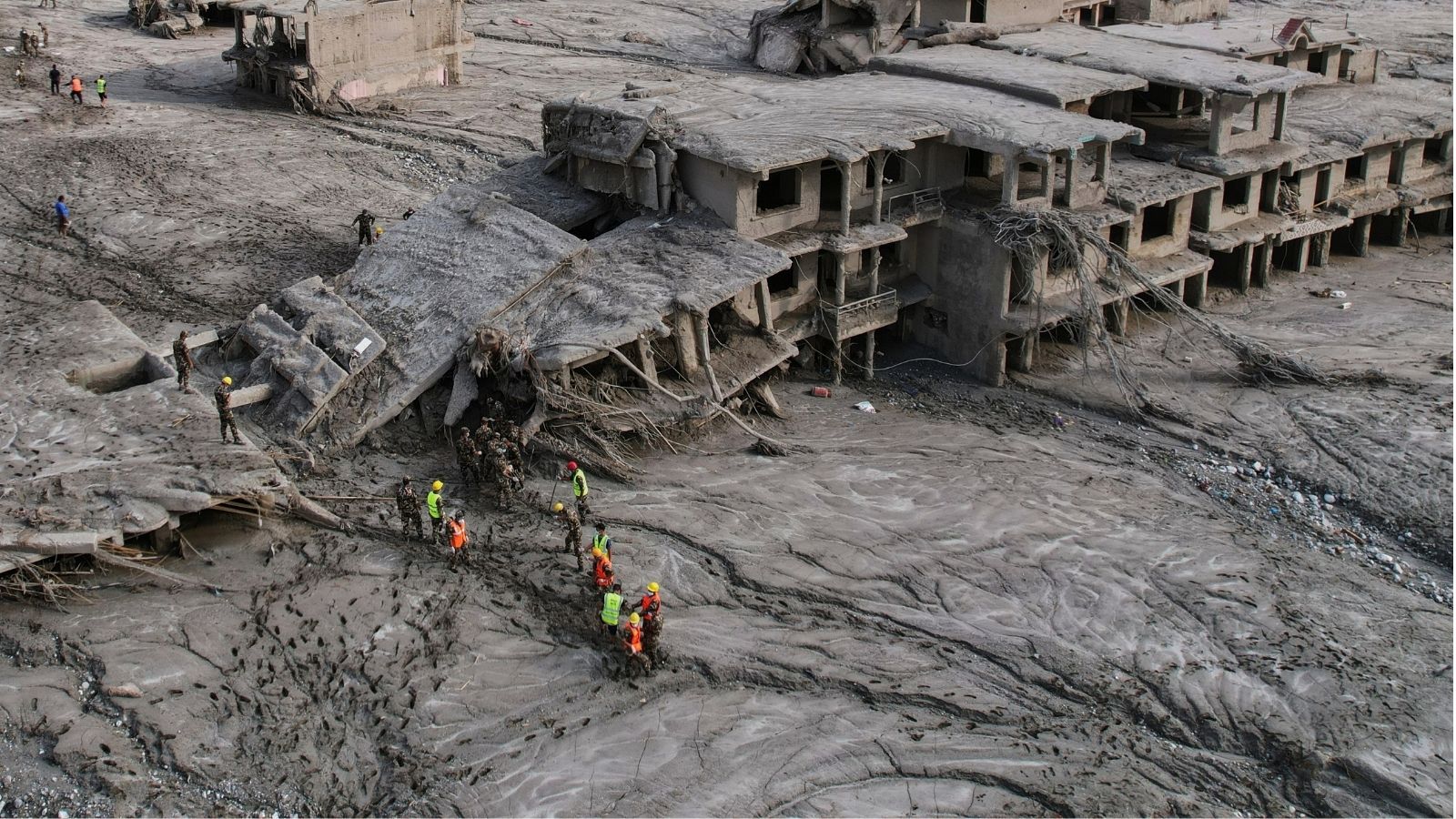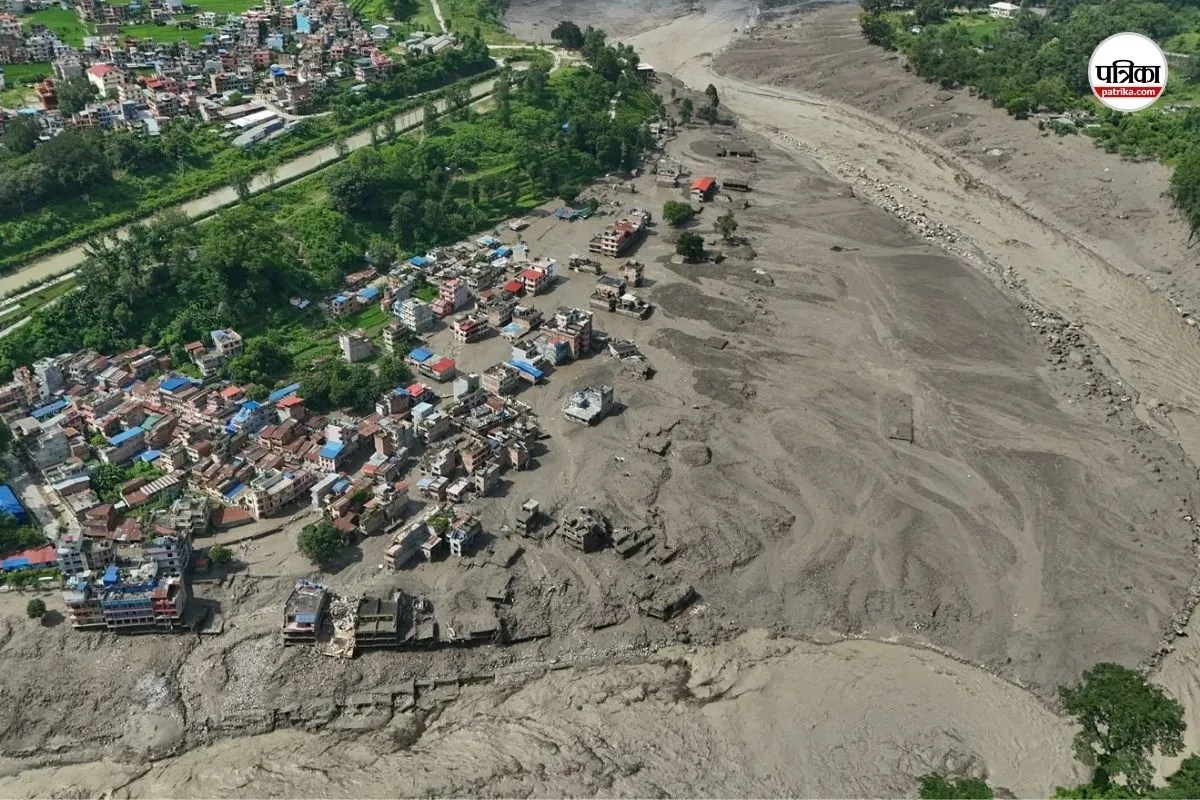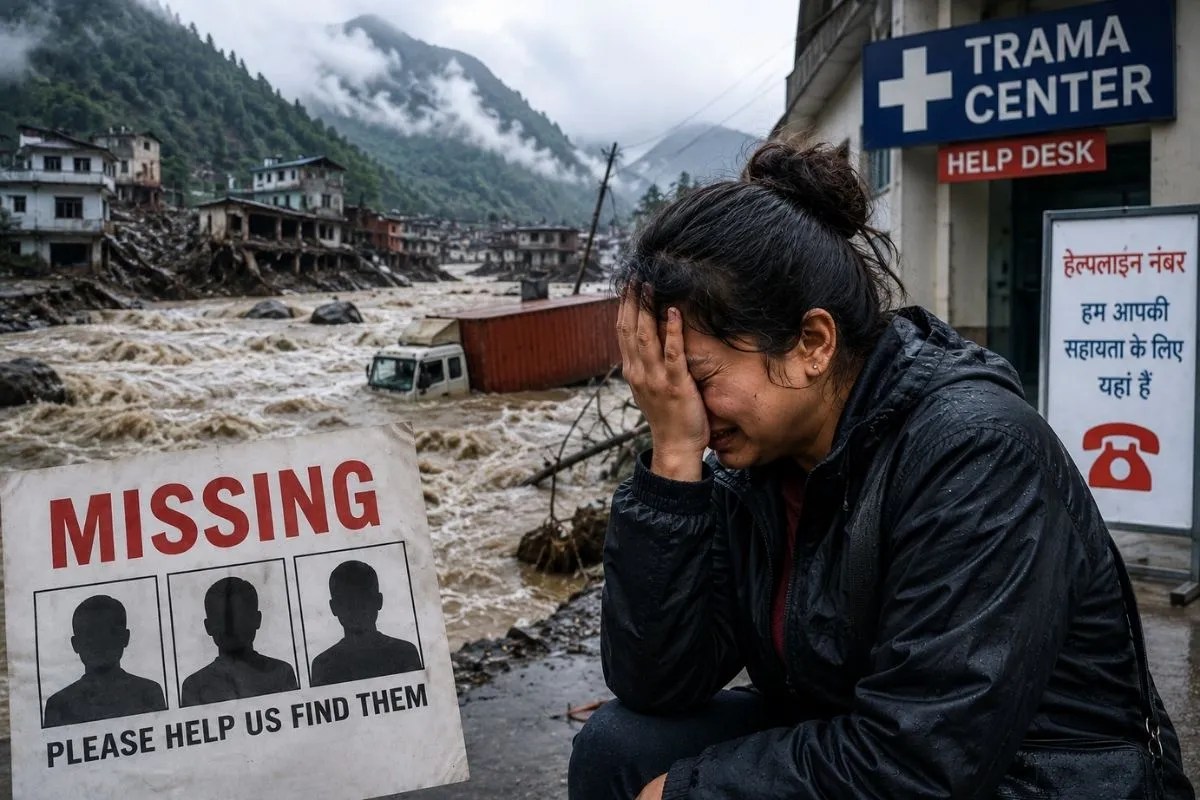
Natural disasters rarely terminate with the cessation of physical impact. The immediate shock of severe flooding represents merely the initialization vector for a complex cascading failure across public health networks, logistical arteries, and civil security infrastructure. When a severe flood event strikes a developing topography like Nepal, the subsequent secondary crises are frequently more destructive than the inundation itself. Understanding this transition requires deconstructing how an acute environmental shock exposes structural vulnerabilities in supply chains, medical resource allocation, and law enforcement capacities.
The Logistics of Medical Depletion
Public health infrastructure in mountainous or river-basin regions operates under continuous supply constraints even during baseline conditions. When floodwaters compromise arterial roadways and inundate regional distribution nodes, the supply chain experiences an immediate vector shift from constrained flow to absolute blockage. Hospitals and peripheral health posts function on minimal inventory buffers, typically maintaining pharmaceutical reserves calibrated for days rather than weeks.
The mechanism of medical depletion during severe floods follows a predictable functional decay:
- Physical Isolation: Submerged bridges, mudslides, and compromised asphalt arteries sever the connectivity between central pharmaceutical warehouses in urban hubs and peripheral clinics.
- Cold Chain Failure: Extended power grid outages combined with compromised backup generator fuel supplies destroy temperature-sensitive therapeutics, including vaccines, insulin, and biologics, rendering remaining local stocks medically inert.
- Surge Demand Inversion: Trauma cases, waterborne pathogen outbreaks, and chronic disease exacerbations cause demand for antibiotics, rehydration salts, and surgical consumables to spike exponentially while supply inputs hit absolute zero.
This convergence creates a severe supply-demand deficit. Facilities lack the internal redundancy required to absorb a multi-day logistics blackout. Consequently, clinicians are forced into triage models where basic interventions become unavailable, transforming treatable morbidities into fatal outcomes through institutional failure rather than direct biological severity.
The Economic and Social Mechanics of Civil Disruption
The emergence of opportunistic looting and civil disorder in the immediate aftermath of widespread devastation is frequently mischaracterized as spontaneous criminality. From a systemic perspective, widespread social breakdown under crisis conditions is the direct result of a vacuum in state monopoly on security and the complete collapse of retail distribution networks.
When physical infrastructure is entirely destroyed, standard mechanisms of commerce cease to function. The price discovery mechanism vanishes, electronic payment rails fail due to telecommunication and power blackouts, and cash reserves become inaccessible or worthless in the face of absolute scarcity.
The breakdown progresses through distinct phases of behavioral adaptation:
- Subsistence Acquisition: Initial community actions involve scavenging for basic survival commodities such as potable water and non-perishable foodstuffs as municipal distribution fails.
- Institutional Abandonment: As local law enforcement personnel are redirected toward search and rescue operations or are personally impacted by the disaster, territorial control over commercial districts evaporates.
- Opportunistic Exploitation: Criminal elements capitalize on the absence of surveillance and enforcement, shifting the operational profile from basic survival scavenging to systematic looting of non-essential and high-value goods.
This shift reveals the fragility of civic order when the state's capacity to project physical security is temporarily neutralized by geographic barriers. The social contract degrades in direct proportion to the duration of the infrastructural blackout.
Systemic Vulnerabilities in Disaster Response Architecture
The compounding effect of medical shortages and security decay points directly to architectural flaws in national disaster response frameworks. Reactive emergency management models are structurally incapable of handling multi-variable crises that simultaneously impact communication, transportation, and healthcare delivery.
Traditional disaster planning assumes localized damage where adjacent jurisdictions can project resources inward to stabilize the affected zone. When flooding is widespread across multiple districts, the perimeter of the disaster expands beyond the capacity of regional relief assets. Mutual aid agreements fail because neighboring districts face identical infrastructural blockades.
Furthermore, the integration between civil administration, medical logistics, and security forces suffers from institutional friction. Information silos prevent real-time asset tracking. While relief agencies may possess adequate stockpiles of pharmaceuticals or security forces may have tactical availability, the lack of an integrated logistics dashboard prevents dynamic reallocation to high-priority nodes.
To mitigate these systemic failure modes, future operational paradigms must transition from reactive distribution to decentralized, pre-positioned node networks. Regional medical facilities require hardened, elevated storage vaults equipped with independent solar power generation and localized water purification to withstand a minimum of fourteen days of total isolation. Concurrently, security frameworks must incorporate pre-delegated authority protocols that allow local administrators to secure commercial and medical supply lines before civil order reaches the tipping point of systemic decay.
Deploy predictive supply chain routing models utilizing satellite telemetry to map passable transit corridors within hours of an event, bypassing compromised municipal logistics layers entirely.