The microphone is cold. It sits on a riser, wrapped in foam, carrying the weight of a room that has already decided what it wants to hear.
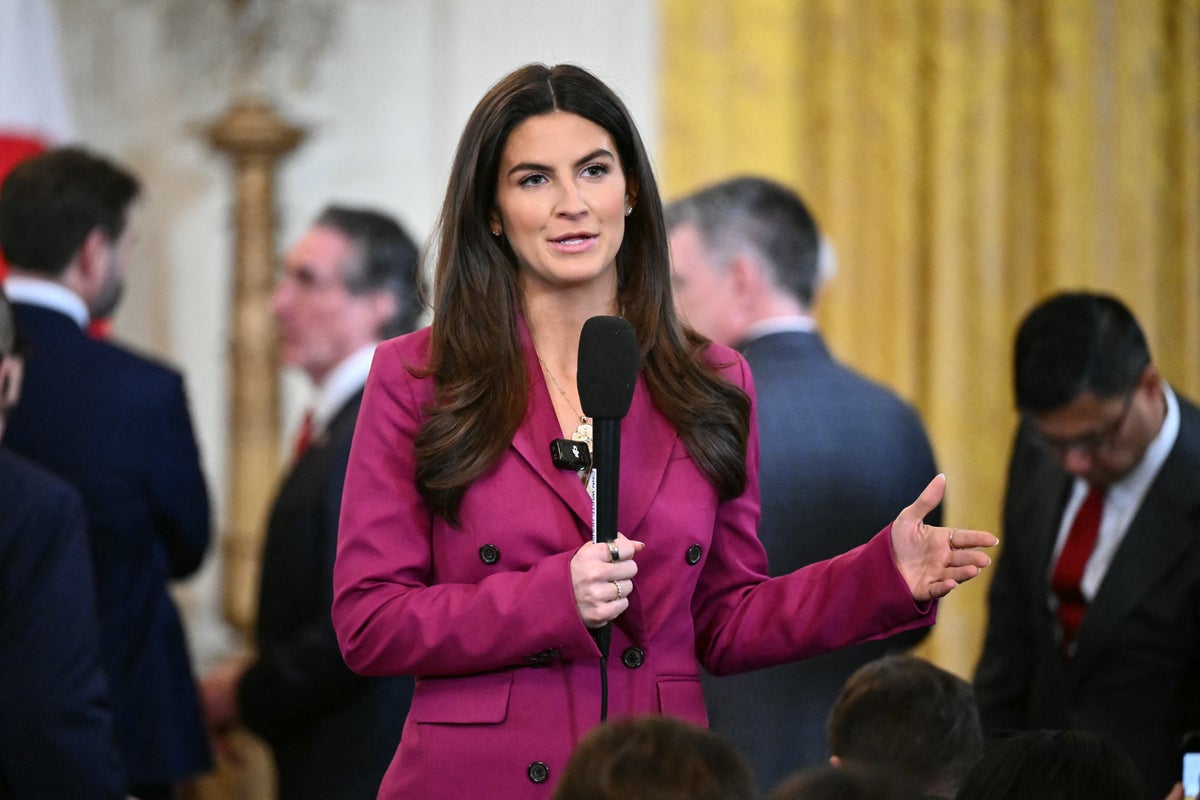
When Donald Trump leaned into the hot audio of a town hall stage and targeted CNN anchor Kaitlan Collins, calling her very dumb and unhappy, the digital echo chamber did what it always does. It flattened a complex ecosystem of power, media, and gender into a tidy, two-minute clip. The insult was instantaneous. The defense was practiced. The cycle repeated. Meanwhile, you can find similar events here: Echoes of Ruin When Venezuelan Displaced Communities Face Sudden Catastrophe.
We have lived through this script so many times that the words blur together.
Consider what happens next: the chyrons update, the cable panels divide cleanly down ideological fault lines, and social media feeds fill with the familiar tribal roar. But beneath the surface noise lies a persistent pattern, one that targets female journalists with a distinct vocabulary of dismissal. This is not merely about an off-the-cuff insult on a stage. It is about an enduring mechanical strategy of political theater where identity serves as the primary target. To explore the bigger picture, we recommend the detailed report by Al Jazeera.
The Architecture of the Punchline
Linguists and media historians recognize a specific cadence in modern political combat. When a male public figure addresses a male interviewer, the friction usually pivots on policy, record, or perceived bias. The pushback centers on what the journalist is saying.
When the target is a woman, the vector shifts. It moves inward. It targets temperament, emotional state, and intellect in broad, sweeping strokes. Words like unhappy, emotional, or hysterical are deployed not to win an argument, but to delegitimize the speaker's right to occupy the room.
Imagine sitting under the hot glare of those studio lights. You have spent weeks cultivating sources, verifying timestamps, and preparing for a live broadcast where a single stumble becomes a permanent headline. You ask a direct question about an insurrection, a legal indictment, or a classified document.
The response is not an answer. It is a character evaluation.
This dynamic creates an invisible tax on professional presence. Every woman standing behind a press badge in Washington or on a campaign trail carries the invisible weight of anticipating that pivot. Will the inquiry be met with facts, or will it be met with a performance designed to diminish her authority in front of millions?
The Stagecraft of Conflict
Political combat thrives on the spectacle of friction. In the modern information economy, conflict is currency.
When an interviewer presses for accountability, the subject faces a choice: engage with the substance of the inquiry or break the frame entirely. Breaking the frame is often the more efficient tactic. By attacking the messenger, the speaker redirects the narrative away from uncomfortable facts and toward a personalized grievance.
Kaitlan Collins has spent years navigating high-stakes corridors, moving from digital investigative reporting to prime-time network anchoring. Her interviewing style is notable for its persistent, low-register repetition. She does not yell. She asks the same question three times until the evasive answer collapses under its own weight.
That specific technique drives political figures to distraction. It refuses to let them pivot away from the core contradiction.
And so, the counter-attack relies on undermining her credibility through caricature. Calling someone dumb is a crude instrument, but it is an effective dog whistle for an audience conditioned to distrust mainstream media institutions. It merges institutional skepticism with personal disparagement.
The Broader Landscape of Press Freedom
To view these exchanges as mere high-school name-calling is to miss the structural reality of how information is controlled today.
When political leaders consistently single out specific journalists—particularly women from major networks—with public ridicule, the chilling effect ripples outward. Younger reporters watching from local newsrooms or university desks take note. They see the personal toll exacted by public prominence. They weigh the ambition of covering national politics against the very real safety and reputational hazards of becoming a meme.
Democracy relies on an adversarial press. That relationship was never meant to be comfortable. It is designed to be abrasive, skeptical, and perpetually tense.
When the tension is reduced to a gendered insult, the adversarial nature breaks down. It stops being a test of accountability and transforms into a gladiator arena where the goal is no longer truth-seeking, but total public humiliation.
The cameras keep rolling. The transcripts are archived. The audio clips are parsed for maximum algorithmic outrage.
Yet, long after the applause fades and the studio lights power down, the microphone remains on the riser. Someone has to walk back out there tomorrow, face the room, and ask the question again.