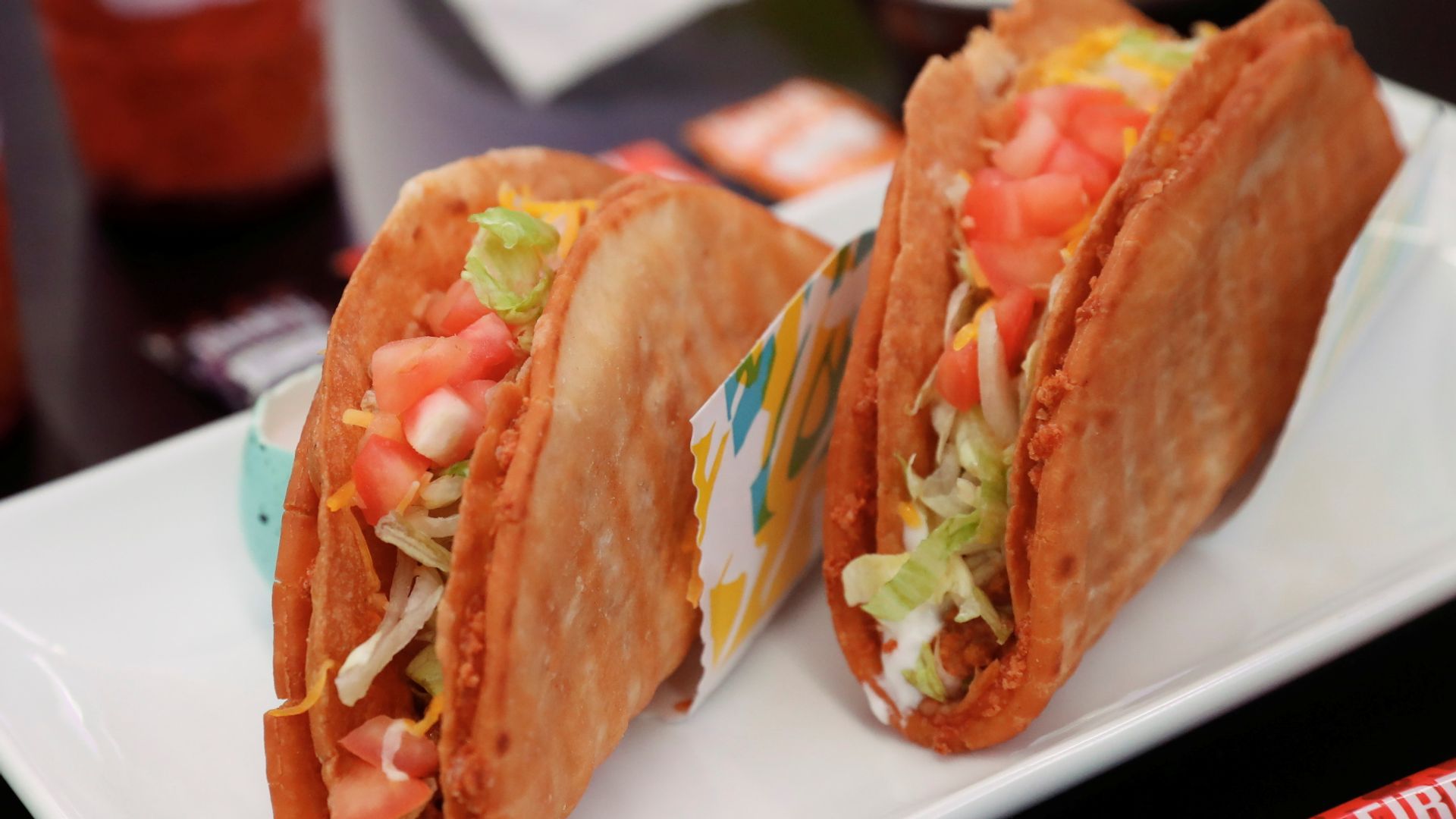
A severe foodborne crisis is currently unfolding across the United States, exposing critical vulnerabilities in the agricultural supply chain and the public health surveillance infrastructure. A massive outbreak of cyclosporiasis—an intestinal illness caused by the microscopic parasite Cyclospora cayetanensis—has sickened thousands of individuals, primarily concentrated in the Midwest. The epidemiological traceback has focused heavily on shredded iceberg lettuce sourced from Mexico and distributed by industrial produce giant Taylor Farms to Taco Bell locations across Indiana, Kentucky, Michigan, Ohio, and West Virginia.
Understanding the mechanics of this outbreak requires looking past sensational headlines and analyzing the exact biological, logistical, and systemic bottlenecks that allowed a localized contamination event to scale into a multi-state crisis. Also making headlines in related news: How a Misread Lab Report Killed a Texas Pastor and Exposed a Fatal Flaw in Hospital Automation.
The Biological Profile: Why Cyclospora Defies Standard Food Safety Protocols
The primary systemic failure in managing Cyclospora cayetanensis lies in its highly resilient biological structure, which renders traditional sanitation protocols ineffective. Unlike bacterial pathogens such as Escherichia coli or Salmonella, which can be mitigated through chemical sanitizers, Cyclospora is a protozoan parasite protected by a robust, double-walled oocyst.
This oocyst shield creates three distinct operational challenges: More insights into this topic are detailed by Healthline.
- Chemical Resistance: Standard chlorine-based washes and organic acid sanitizers used in industrial produce washing lines are completely ineffective at killing or inactivating Cyclospora oocysts.
- Physical Adhesion: The surface tension and physical structure of shredded iceberg lettuce provide microscopic crevices where oocysts can adhere. Once attached, the parasite cannot be reliably removed by cold-water washing. Only heat treatment (cooking to at least 158°F or 70°C) guarantees destruction, an option that is commercially unviable for raw salad greens.
- The Latency Bottleneck: When excreted by an infected host, Cyclospora oocysts are unsporulated (non-infectious). They require one to two weeks in warm, humid environmental conditions to sporulate and become infective. This latency period means that direct person-to-person transmission is virtually non-existent. Instead, the contamination must occur at the agricultural source—either through fecally contaminated irrigation water, agricultural runoff, or poor field-level sanitation during harvesting.
The Logistics of Contamination: The Processing Facility Multiplier
A localized contamination event in a single agricultural field becomes a regional crisis due to the centralized processing structures of industrial produce suppliers. The journey from field to quick-service restaurant (QSR) illustrates this vulnerability.
[Contaminated Field (Mexico)]
       │
       ▼
[Central Processing Facility (Taylor Farms)] ──► Large-scale shredding & washing in shared water
       │
       ▼
[Cross-Contamination of Clean Batches]
       │
       ▼
[Distribution to QSR Networks (Taco Bell)]
When whole heads of lettuce enter a centralized facility like those operated by Taylor Farms, they undergo industrial shredding. This mechanical step dramatically increases the surface area vulnerable to contamination.
Following shredding, the produce is washed in large flume systems. If the water chemistry is not meticulously managed, these flumes act as a vector for cross-contamination. A single contaminated head of lettuce can shed oocysts into the wash water, which are then distributed across thousands of pounds of otherwise clean, shredded lettuce passing through the same system.
The Diagnostics and Surveillance Deficit
Tracing this outbreak has been severely hampered by two structural bottlenecks: clinical diagnostics and federal regulatory rollbacks.
The Clinical Diagnostic Lag
The timeline from initial ingestion to confirmed case reporting is exceptionally long, creating a massive blind spot for epidemiologists.
- Incubation Period (7–14 days): The patient remains asymptomatic while the parasite replicates within the small intestine.
- Symptom Onset and Healthcare Delay (3–7 days): The patient experiences watery diarrhea and fatigue but often delays seeking medical care.
- The Testing Barrier (2–5 days): Standard stool cultures do not screen for Cyclospora. Physicians must specifically order a gastrointestinal pathogen panel (PCR) or a specialized ova and parasite (O&P) test using modified acid-fast staining.
- Reporting and Confirmation (7–14 days): Local health departments must confirm the lab results and upload the data to federal databases.
This cumulative 3-to-6-week delay means that by the time a cluster of cases is identified, the contaminated product has already progressed through its short shelf-life and been consumed, leaving investigators to rely on retrospective dietary recall.
The Federal Surveillance Retraction
The tracking of this outbreak has been further complicated by recent changes in federal public health agency operations. In mid-2025, the Centers for Disease Control and Prevention (CDC) scaled back its Foodborne Diseases Active Surveillance Network (FoodNet).
Historically, FoodNet proactively contacted laboratories to track eight major foodborne pathogens, including Cyclospora. Under current protocols, tracking for Cyclospora has been classified as optional, with active resources narrowed strictly to Salmonella and specific strains of E. coli. Consequently, the official CDC tally of 1,644 cases represents a significant undercount. State-level data indicates the actual burden has already surpassed 6,700 cases, highlighting a massive gap between localized reality and federal visibility.
Strategic Playbook for QSRs and Supply Chain Operations
For enterprise restaurant brands and agricultural suppliers, managing the risk of Cyclospora requires shifting from reactive recalls to proactive supply chain design. Relying on post-harvest washing is a failed strategy. Instead, operators must implement three structural interventions:
- Geographic Sourcing Diversification: Companies must avoid over-indexing on a single agricultural corridor (such as central Mexico or the Salinas Valley) during peak summer months, when Cyclospora prevalence spikes. Transitioning to a distributed, regional sourcing model limits the impact of a single-source contamination event.
- Mandatory PCR Testing at Source: Rather than testing finished products, suppliers must implement rapid PCR testing of agricultural wash water and irrigation sources in high-risk zones before harvesting begins.
- Transition to Whole-Head Procurement: For high-volume QSRs, shifting from pre-shredded bag shipments to whole-head lettuce processing at local distribution hubs reduces the risk of facility-wide cross-contamination. While this increases localized labor costs, it drastically limits the brand-damage and litigation liabilities associated with multi-state outbreaks.
To understand the exact clinical challenges physicians face when diagnosing this parasite, watch this medical overview of Cyclosporiasis which details why standard stool tests fail to detect the infection.
http://googleusercontent.com/youtube_content/1