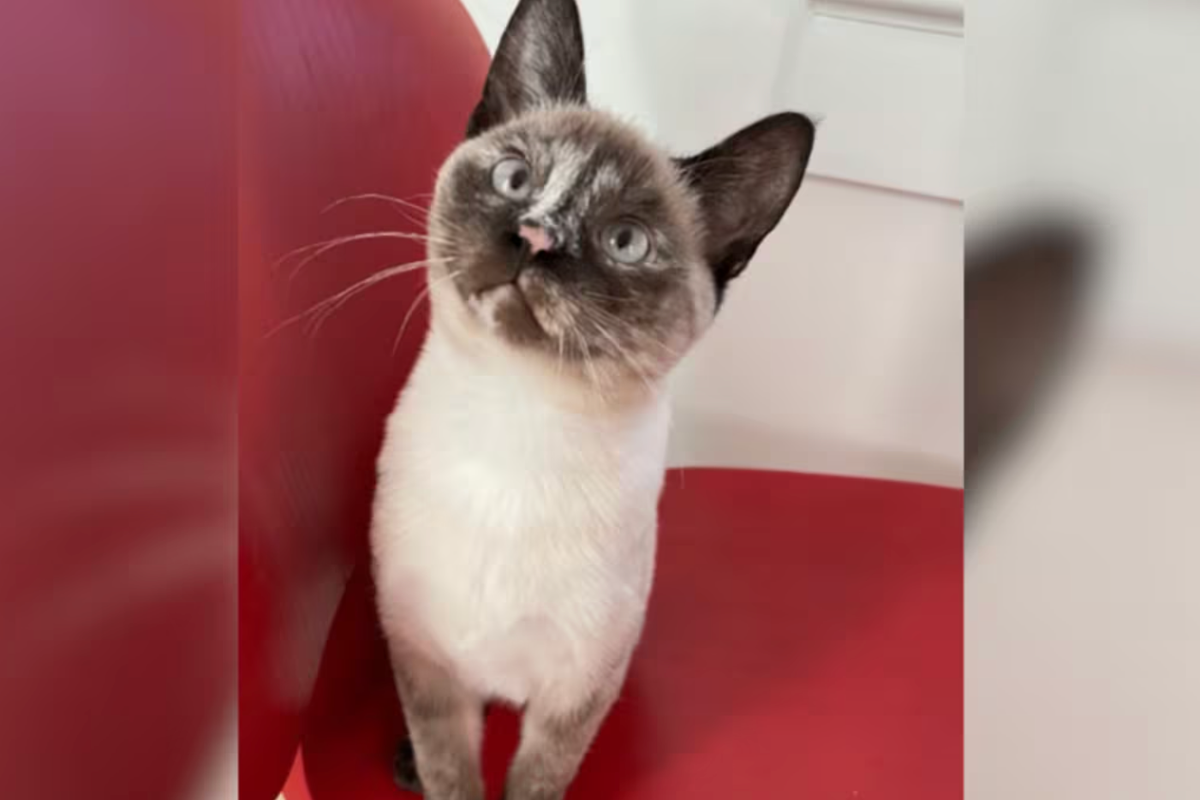
An $800,000 jury verdict for the death of a single companion animal marks a structural shift in the risk landscape for pet food manufacturers, agricultural suppliers, and liability insurers. Historically, American tort law has treated domesticated animals strictly as personal property, limiting recoverable damages to the market replacement value of the animal. This recent judgment disrupts that valuation model, establishing a precedent where non-economic damages—specifically loss of companionship and severe emotional distress—can override traditional property-law caps.
Understanding the mechanics of this verdict requires dissecting three converging vectors: the biological acceleration of Highly Pathogenic Avian Influenza (HPAI) across species lines, systemic vulnerabilities in raw-material sourcing, and the evolving judicial math governing toxic torts. For operators within the consumer packaged goods (CPG) and agricultural sectors, this case is not an isolated anomaly; it is a blueprint for catastrophic legal exposure.
The Transmission Matrix: Pathogen Acceleration into Companion Animals
To quantify the liability risk, one must first isolate the transmission vector that led to the product defect. High Pathogenic Avian Influenza, specifically the H5N1 clade 2.3.4.4b, has transitioned from an avian-centric pathogen to a multi-species threat with a broad mammalian tropism.
[Raw Agricultural Inputs] ➔ [Asymptomatic/Shedding Vector (Avian/Bovine)] ➔ [Thermal/Process Failure] ➔ [Ingestion via Finished Product] ➔ [Systemic Mammalian Infection]
The biological mechanism of infection in companion animals via commercial diet formulation follows a specific sequence of containment failures:
- Upstream Bio-Burden: Raw poultry by-products or unpasteurized mammalian elements (such as milk or tissue from infected dairy cattle) introduce the viral load into the manufacturing facility.
- Thermal Processing Inadequacy: In standard pet food processing, extrusion or pasteurization parameters are calibrated to eliminate common bacterial pathogens like Salmonella and Listeria. If a facility runs low-temperature cycles or experiences micro-fluctuations in heat distribution, the viral envelope of HPAI may remain intact.
- Neurological and Systemic Tropism: Once ingested by a feline or canine, the virus binds to alpha-2,3 sialic acid receptors, which are prevalent in the respiratory and central nervous systems of mammals. The resulting pathology includes rapid-onset encephalitis, myocardial necrosis, and systemic organ failure, yielding a mortality rate exceeding 80% in documented feline cases.
The legal consequence of this biological pathway is the immediate establishment of product defectiveness under strict liability doctrines. A plaintiff does not need to prove the manufacturer was negligent in its intent; they only need to prove that the product left the manufacturer's control in an unreasonably dangerous condition and directly caused the harm.
Deconstructing the $800,000 Valuation Framework
The core anomaly of this verdict lies in the financial calculus of the award. To understand how a animal with a nominal market value of less than $100 yields a near-million-dollar judgment, we must evaluate the component breakdown of modern toxic tort damages.
The Breakdown of Non-Economic Damages
The defense bar has historically relied on the "property rule" to dismiss high-value pet litigations. However, plaintiff strategies have successfully shifted the trial focus from the asset's intrinsic value to the owner's psychological disruption. The valuation framework applied by the jury breaks down into three distinct tiers:
- Economic Damages (Actual Loss): Veterinary diagnostic fees, intensive care hospitalization costs, necropsy fees, and the replacement cost of the animal. In this case, these accounted for a nominal fraction of the total award (typically ranging from $5,000 to $25,000).
- Compensatory Non-Economic Damages (The Companionship Value): This metric bypasses market value completely. Plaintiffs quantify the utility of the animal through psychological impact assessments, expert testimony from veterinary behaviorists, and evidence of deep familial integration. Juries compute this as an ongoing, daily loss metric over the expected lifespan of the animal.
- Punitive Damages (The Deterrence Multiplier): This occurs when a plaintiff demonstrates that the manufacturer exhibited "conscious disregard" for safety. If internal testing logs reveal that the manufacturer was aware of potential pathogen contamination in its supply chain but failed to execute a voluntary recall or alter its thermal processing inputs, the jury applies a punitive multiplier to deter future corporate non-compliance.
The Statutory Shift and Jury Dynamics
Juries are highly susceptible to anthropomorphic framing in trials involving companion animals. When a defense team relies strictly on the argument that "a pet is merely property under the law," it frequently alienates jurors, driving up the punitive component of the award. Furthermore, several jurisdictions are experiencing a quiet evolution in case law and statutory definitions, expanding the definition of "property" to include intrinsic sentimental value, thereby providing a legal pathway for large non-economic awards.
Supply Chain Vulnerabilities: The Upstream Source Dilemma
The root cause of this litigation risk is found in the structural economics of procurement. The pet food industry relies heavily on secondary streams from the human agricultural supply chain. This dependence creates inherent visibility blind spots.
[Level 3: Primary Agricultural Producers]
       │ (HPAI Exposure in Flocks/Herds)
       ▼
[Level 2: Renderers & Brokers]
       │ (Blending of Multi-Source Batches)
       ▼
[Level 1: CPG Manufacturing Facility]
       │ (Batch Testing Protocol Failures)
       ▼
[End Consumer]
This structural arrangement introduces three critical failure points into the supply chain matrix:
The Commingling Bottleneck
Brokers and third-party renderers frequently aggregate raw animal tissues from multiple regional farms before processing. If a single farm introduces HPAI-infected livestock into a rendering batch, the entire consolidated lot becomes contaminated. Traceability becomes functionally impossible after commingling, preventing targeted, surgical recalls.
The Testing Gap
Many quality assurance protocols rely on cross-sectional batch testing rather than continuous inline monitoring. Because viral distribution within a dry kibble matrix or a batch of raw frozen product is non-homogeneous, standard statistical sampling can easily miss localized pockets of live virus, leading to a false-negative release of contaminated lots.
The Lack of Supplier Sovereignty
Pet food brands often lack the economic leverage to dictate absolute biosecurity terms to massive agricultural conglomerates that generate the majority of their revenue from human food supply chains. Consequently, pet food manufacturers absorb raw inputs that carry a higher baseline risk profile than inputs destined for direct human consumption.
Strategic Mitigation Frameworks for Industry Operators
The $800,000 verdict serves as a clear warning that the cost of inaction now outweighs the capital expenditure required to overhaul quality management systems. To insulate operations against existential product liability claims, manufacturers must execute a comprehensive risk-mitigation strategy.
1. Implementing Absolute Thermal Verification
Manufacturers must move away from assumptions regarding pathogen destruction based solely on time and temperature averages. Processing lines must integrate real-time validation technologies.
- Critical Control Point (CCP) Calibration: Extrusion and retorting systems must be programmed to maintain a minimum internal product temperature that guarantees the denaturation of highly stable viral proteins, accounting for potential cold spots within the machinery.
- Continuous Data Logging: Manual logs must be replaced with tamper-proof, automated digital telemetry that continuously records moisture levels, pressure, and thermal output, creating an unassailable audit trail for regulatory and legal defense purposes.
2. Overhauling Supplier Indemnification Contracts
Standard boilerplate vendor agreements are insufficient to protect against the scale of damages demonstrated by this verdict. Legal and procurement teams must restructure all upstream contracts.
- Uncapped Liability Clauses: Manufacturers must negotiate the removal of liability caps in vendor contracts specifically for claims arising from zoonotic pathogen contamination. If a supplier provides contaminated ingredients, they must bear the full financial burden of the resulting tort judgments.
- Mandatory Pathogen-Free Certification: Suppliers must be contractually obligated to provide independent, third-party PCR testing verification for every lot delivered, shifting the primary verification burden upstream.
3. Restructuring Insurance Risk Profiles
The expansion of pet food claims into the realm of high-value non-economic damages will inevitably destabilize traditional product liability underwriting models.
- Reviewing General Liability Exclusions: Corporate risk officers must audit current policies to ensure that "animal-derived illness" or "zoonotic outbreaks" are not excluded under standard pollution or biological hazard clauses.
- Securing Specialized Product Recall Endorsements: Because a recall can trigger massive brand degradation alongside litigation costs, companies must secure dedicated product withdrawal insurance that covers third-party business interruption, disposal costs, and public relations rehabilitation.
The Immediate Operational Imperative
The paradigm where companion animal death claims could be settled quietly for nominal sums is over. Plaintiffs' attorneys will use this $800,000 outcome as leverage in future negotiations, driving up the baseline settlement value for all pending and future contaminated pet food claims.
The immediate task for executive leadership teams is clear: run immediate stress-test scenarios across all production facilities to evaluate the financial impact of a systemic pathogen escape. Identify the exact thermal limits of current production lines, review supplier agreements for liability gaps, and eliminate any reliance on unverified raw material streams. Companies that fail to adapt their quality assurance and legal frameworks to this new level of liability risk will find themselves completely exposed to the next inevitable supply chain breakdown.


