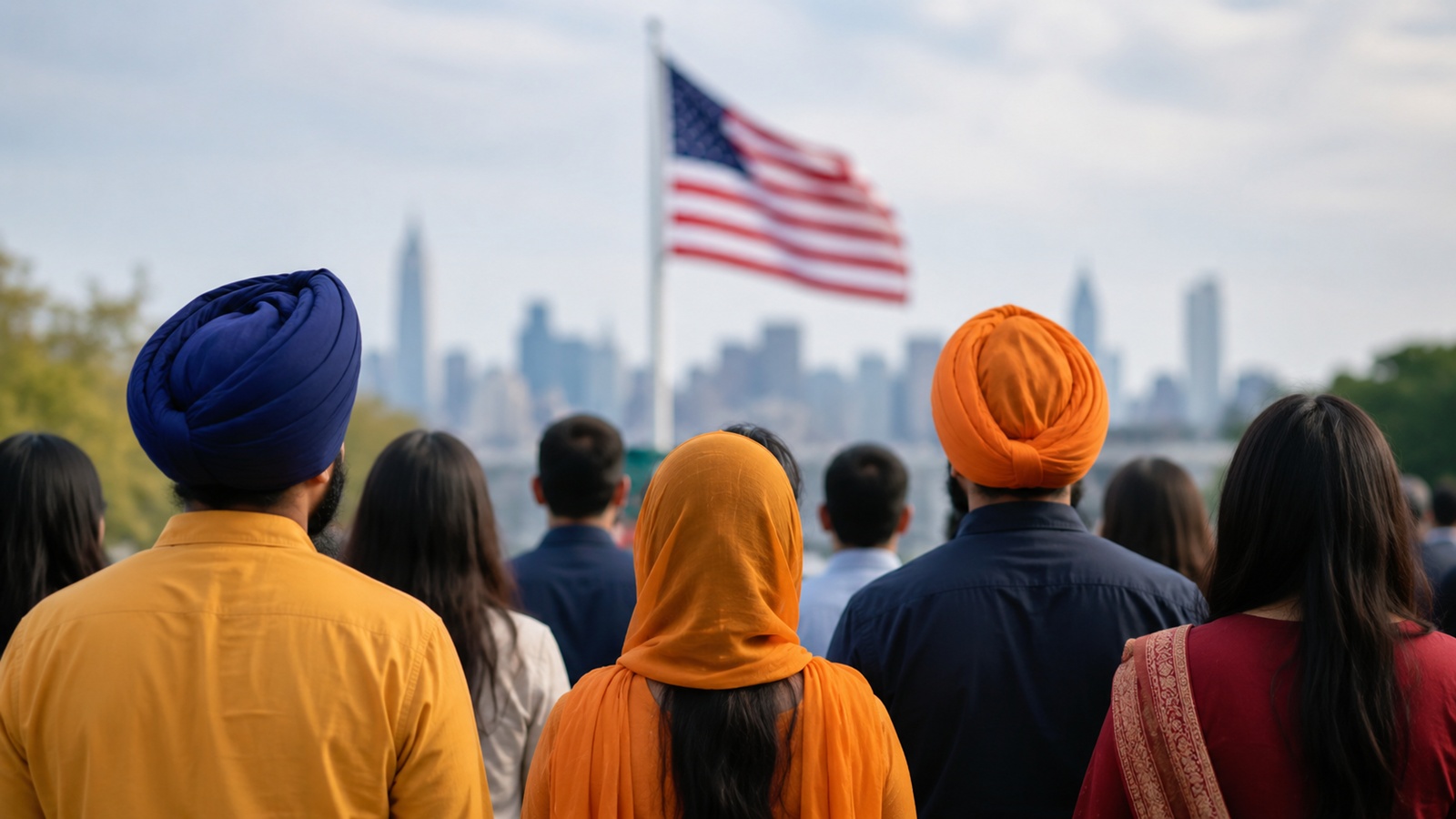
National hate crime numbers dropped by seven percent overall, but that headline hides a much uglier reality for specific minority groups. According to the Federal Bureau of Investigation, reported hate crimes targeting Sikh and Hindu communities actually surged.
When macro statistics show progress while targeted groups face escalating hostility, people get confused. You look at the drop in total offenses and assume things are getting safer. They aren't. Not for everyone.
Let's look at the numbers. The FBI's Uniform Crime Reporting program recorded 10,606 hate crime incidents down from 11,404 the previous year. Yet, anti-Sikh bias offenses jumped by nearly twenty-five percent, climbing from 142 to 177 reported incidents. Anti-Hindu offenses also ticked upward, rising twelve percent.
Why Official Numbers Miss the Mark
Numbers lie by omission. Participation in the FBI's hate crime data collection is entirely voluntary for local, state, and tribal law enforcement agencies. Many police departments fail to report zero incidents simply because they do not track bias effectively, or victims are too afraid to step forward.
Language barriers, immigration status anxieties, and a fundamental distrust of law enforcement keep thousands of incidents out of official databases. Civil rights groups like Asian Americans Advancing Justice point out that when federal agencies cut grants or scale back civil rights enforcement, vulnerable populations suffer in silence.
Sikh Americans face unique visibility issues. Articles of faith like turbans and dastaars make individuals immediate targets for xenophobic harassment. Data shows spikes during periods of heightened political tension or following viral news events. For instance, anti-Sikh incidents peaked sharply in September following high-profile roadway incidents involving South Asian truck drivers in Florida. Rhetoric from public officials often trickles down into real-world street violence.
The Dangerous Convergence of Biases
Immigrant communities rarely face isolated prejudice. Instead, they catch overlapping waves of anti-immigrant, anti-South Asian, and religious bigotry. Public figures with South Asian heritage frequently encounter racially and religiously charged attacks online and offline. When mainstream political discourse normalizes scapegoating minority groups for economic or safety anxieties, everyday citizens absorb that message.
The risk isn't just that hate goes unpunished. The real danger is that persistent hostility becomes invisible to lawmakers who rely solely on sanitized top-line metrics.
What Communities Can Do Right Now
Waiting for federal agencies to fix systemic reporting gaps is a waste of time. Grassroots protection remains the most effective defense.
- Build direct lines to local law enforcement: Gurdwaras and temples should establish proactive relationships with local police departments and district attorneys before a crisis hits. Ask pointed questions about how hate crimes are investigated in your municipality.
- Prioritize know-your-rights training: Civil rights organizations like the Sikh Coalition and Hindus for Human Rights offer specialized safety workshops. Make sure your local community center hosts them regularly.
- Document everything: If you experience or witness bias, report it immediately to trusted community legal advocates, even if local police seem indifferent. Accurate tracking gives advocates the leverage needed to demand systemic accountability.
Complacency kills progress. Relying on broad national averages to judge the safety of minority groups is lazy policy and dangerous reality.
For a deeper visual breakdown of how these rising trends affect minority safety and community responses, watch this analysis on US Hate Crimes Surge. This video covers the decade-long trajectory of targeted violence and the underlying socio-political triggers driving these numbers.