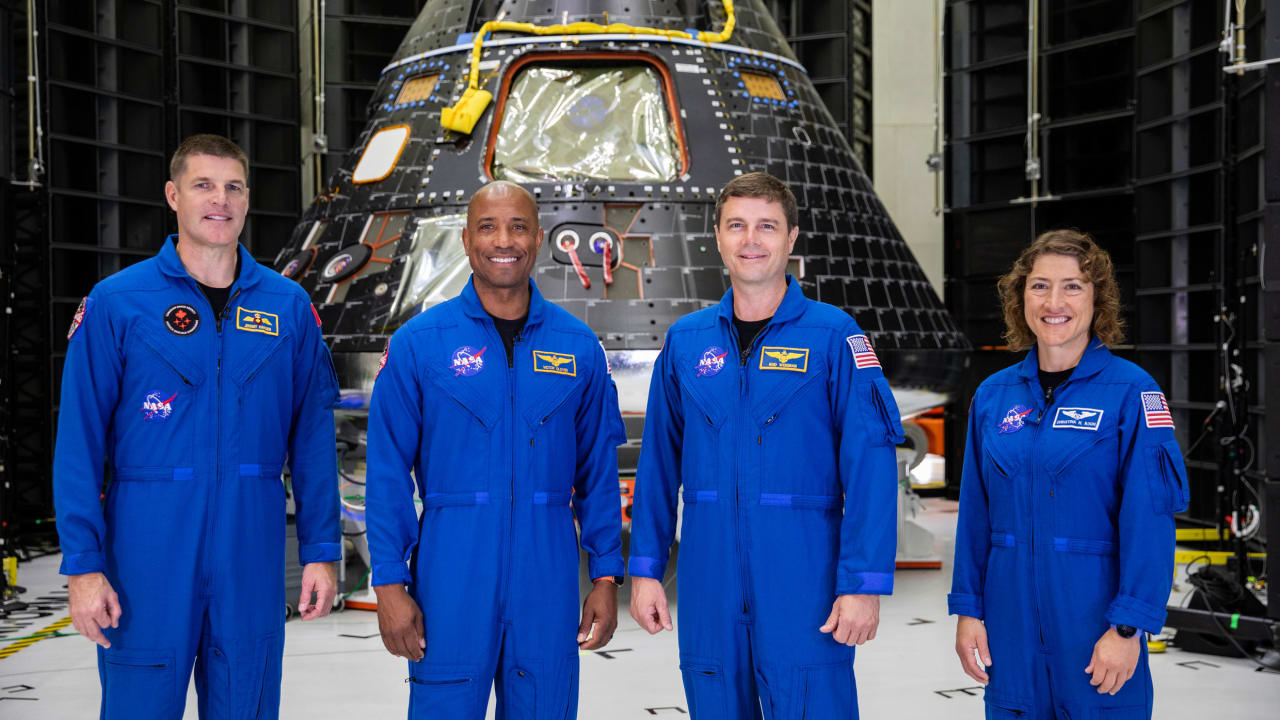
The media is salivating over the return of the Artemis II crew. They want you to feel the 1960s nostalgia. They want you to cheer for the heat shield, the parachutes, and the splashdown. They’re selling you a "giant leap" that is actually a sixty-year-old tiptoe.
We are watching a multibillion-dollar reenactment.
The consensus view is that Artemis II is a necessary "proving ground" for human deep-space travel. The industry says we need to test the life support systems of the Orion capsule in a lunar flyby before we can land. This is the logic of a bureaucracy, not an engineering powerhouse. If we treated the tech sector like NASA treats SLS, you’d still be using a rotary phone because "testing the dial mechanism" is safer than moving to fiber optics.
The SLS Debt Trap
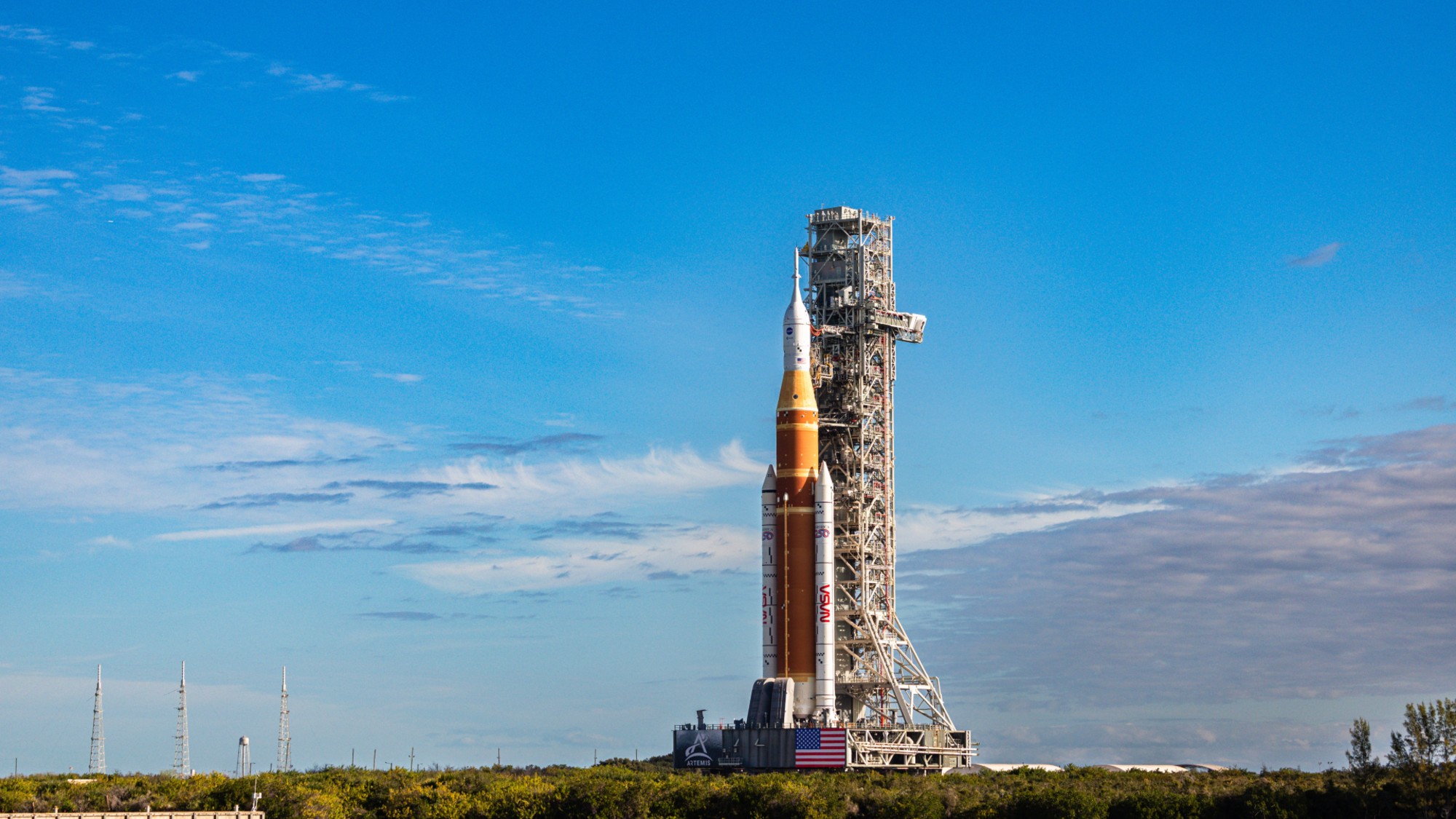
The Space Launch System (SLS) is an antique masquerading as a flagship. It uses Space Shuttle Main Engines (RS-25s) that were designed in the 70s. These are beautiful, complex, and incredibly expensive pieces of machinery. And NASA is throwing them into the ocean after a single use.
Every time an SLS lifts off, we are discarding $2 billion.
Imagine a commercial airline that flew a Boeing 787 from New York to London and then scrapped the plane in the Atlantic. No one would call that progress. They would call it a financial catastrophe. Yet, because this is "exploration," we are told to ignore the math.
The reality? The SLS exists to protect jobs in specific congressional districts, not to get us to Mars. It’s a jobs program with a rocket attached. While private entities are iterating on stainless steel rockets that land themselves, the Artemis program is tethered to a "cost-plus" contract model that rewards delays and punishes efficiency.
The Lunar Flyby is a Scientific Dead Zone
Artemis II is a "free-return trajectory." The capsule loops around the Moon and gravity flings it back toward Earth. The astronauts don't orbit. They don't land. They don't deploy infrastructure.
They take high-resolution photos of things we’ve already mapped to the centimeter.
From a data perspective, the mission offers marginal gains. We already know how humans react to the Van Allen belts—we have the Apollo data. We know how Orion’s heat shield handles reentry—we tested it (mostly successfully) during Artemis I. Putting four humans in the seat for this specific loop is about optics. It’s about the "hero shot."
If the goal were actual expansion, we wouldn't be wasting a multi-billion dollar launch on a loop-the-loop. We would be sending autonomous swarms to the lunar south pole to begin 3D printing habitats with regolith. We are prioritizing human presence over human utility.
The Safety Myth
The "safety-first" mantra is the primary inhibitor of speed. NASA’s current risk tolerance is so low that it has become its own hazard.
By stretching out the intervals between missions to years, we lose institutional knowledge. The engineers who built the Artemis I hardware are often gone by the time Artemis II splashes down. This "stagnation gap" creates more risk than it mitigates.
True safety comes from a high launch cadence. You find the failure points by flying, failing, fixing, and flying again. The Apollo program moved fast because it accepted that space is a frontier, and frontiers are dangerous. Artemis is trying to turn the frontier into a luxury cruise with 1960s propulsion.
Why the Gateway is a Toll Booth in the Middle of Nowhere
The Artemis plan involves the Lunar Gateway—a small space station that will orbit the Moon. Proponents call it a "hub." I call it a bottleneck.
Stopping at a gateway to go down to the Moon is like flying from Los Angeles to New York but being forced to switch planes in a tiny airport in rural Kansas. It adds complexity, weight, and risk.
The only reason the Gateway exists is to give the SLS something to do. Since the SLS lacks the lift capacity to send a full landing stack directly to the Moon in one go, NASA invented a middleman. It is architectural bloat. If we used refueling in Low Earth Orbit (LEO), we could send massive payloads directly to the lunar surface. But refueling is a "disruptive" technology that threatens the SLS monopoly, so it remains a secondary priority.
The Hidden Cost of "International Cooperation"
The competitor article will likely praise the "global coalition" of Artemis. On paper, it looks great. In practice, it’s a logistical nightmare.
When you have to source a life-support valve from one country and a docking adapter from another to satisfy diplomatic treaties, you are not building the best rocket. You are building a political mosaic. Every interface between these components is a potential failure point.
I’ve watched aerospace projects buckle under the weight of "workshare" agreements. You end up with 15 different time zones trying to sync a software patch. It slows the "OODA loop" (Observe, Orient, Decide, Act) to a crawl. Artemis II isn't a mission; it's a committee meeting in orbit.
The Question You Should Be Asking
People often ask: "When will we finally live on the Moon?"
The honest, brutal answer: Not with this architecture.
As long as we are dependent on expendable, multi-billion dollar rockets, the Moon will remain a place for flags and footprints, not for industry or settlement. We are currently building a high-speed rail line where the train explodes every time it reaches the station.
We don't need "missions." We need "routes."
A mission is a one-off event. A route is a repeatable, economical path. Artemis II is a mission. It is the antithesis of a route.
The Counter-Intuitive Truth
The best thing that could happen to lunar exploration is the immediate cancellation of the SLS.
That sounds radical. It is.
By cutting the cord on the SLS/Orion bottleneck, billions of dollars would be freed up to buy launches on commercial heavy-lift vehicles that are currently being developed at a fraction of the cost. We could buy ten launches for the price of one. We could fail nine times and still be further ahead than we are today.
We have been sold the idea that NASA must "own" the rocket for the mission to be legitimate. That is a 20th-century mindset. The government doesn't own the trucks that deliver the mail; it pays for the service. Why are we still building the trucks in the most expensive way possible?
How to Actually Fix Space Travel
- Prioritize On-Orbit Refueling: This is the "Holy Grail." If we can gas up in LEO, the entire solar system opens up. The Moon becomes a weekend trip, not a decade-long project.
- Move to Stainless Steel: Composite and specialized aluminum structures are too expensive for a frontier. We need rugged, mass-producible materials.
- End the "Free-Return" Obsession: Stop doing flybys. If you're going to the Moon, go to the Moon. Build the landers first.
- Embrace "Good Enough" Tech: We don't need a $100,000 toilet. We need a $1,000 toilet that works 99% of the time, and we need to be okay with that 1% risk.
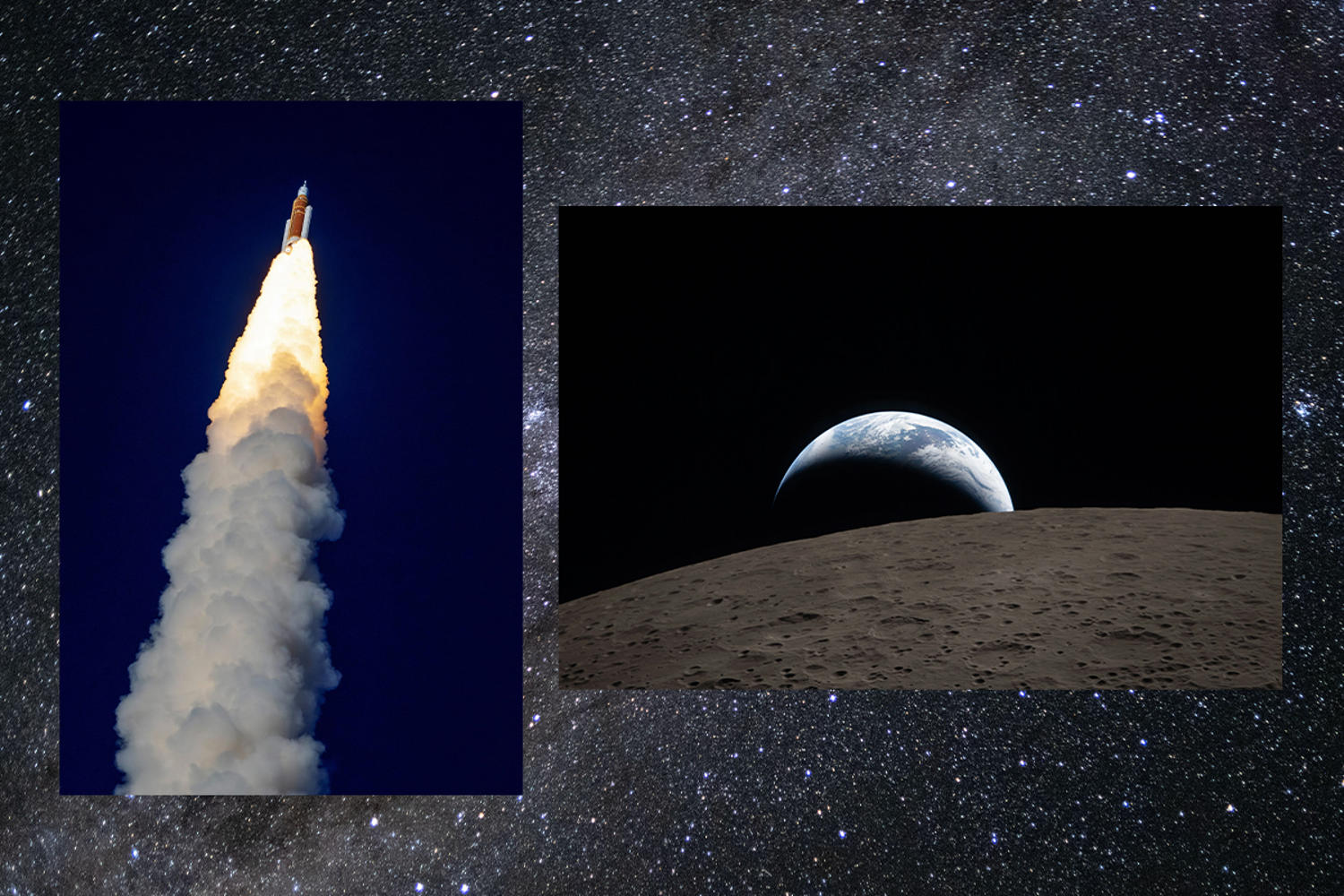
Artemis II is going to be a spectacular show. The 4K footage of the Earth rising over the lunar limb will be breathtaking. But don't let the imagery fool you into thinking we are making progress.
We are running in place, just at a very high altitude.
The splashdown isn't a victory. It's a reminder that we still don't know how to land.
Stop celebrating the "return to the Moon" and start demanding a way to stay there. Until we stop throwing our rockets away, we are just tourists in our own backyard.
Proceed with the mission, take the photos, and give the medals. But the moment those astronauts are out of the water, we need to stop the nostalgia and start building a real bridge to the stars.
The era of the "hero astronaut" needs to end so the era of the "space worker" can begin.
Go back to the Moon? No. Move to the Moon. There is a massive difference.