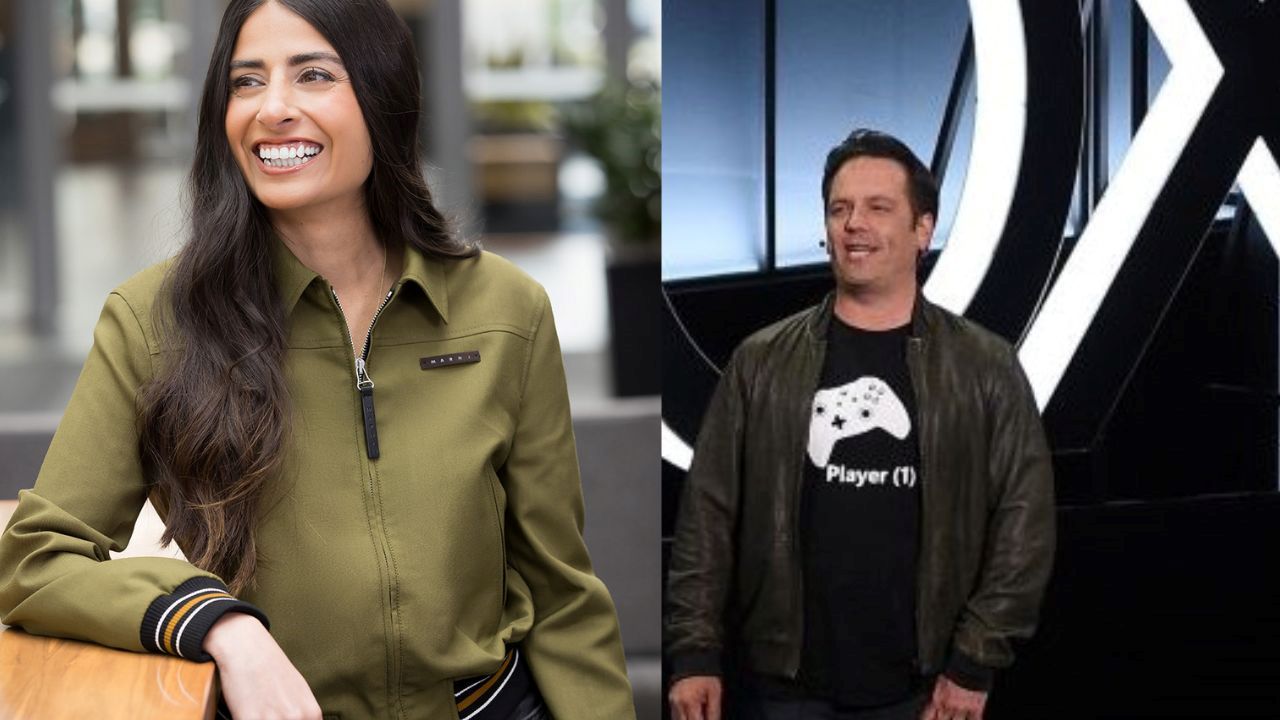
Phil Spencer is finally out. After 38 years at Microsoft and over a decade steering the Xbox ship, the man who became the literal face of "green team" gaming is retiring. But the real shocker isn't Spencer’s departure—it’s the person sitting in his chair. Asha Sharma, formerly the president of Microsoft’s CoreAI division, is the new CEO of Microsoft Gaming.
If you're a die-hard fan, this probably feels like a glitch in the matrix. Sarah Bond, the presumed heir who's spent years being groomed for this exact moment, didn't just get passed over; she resigned entirely. That tells you everything you need to know about how high the stakes are. Microsoft isn't just changing the guard. It’s burning the old playbook. For a deeper dive into similar topics, we suggest: this related article.
The end of the vibes era
Let's be real about the Spencer legacy. Phil was the "gamer CEO." He wore the graphic tees, played Destiny with fans, and saved Xbox from the disastrous, TV-obsessed launch of the Xbox One. He gave us Game Pass, which fundamentally changed how we consume games. He also spent nearly $70 billion on Activision Blizzard.
But look at the scoreboard. Despite the spending spree, Xbox hardware sales are cratering, down 32% in recent reports. The "This is an Xbox" marketing campaign left people wondering if they actually needed a console at all. Spencer was great at "vibes" and player-first rhetoric, but the business side was getting messy. You can only coast on goodwill for so long when your console is firmly in third place. For additional context on this issue, in-depth analysis is available at The New York Times.
Asha Sharma doesn't have a background in "gamer vibes." She’s a platform builder. She's worked at Meta and served as COO of Instacart. She knows how to scale services to hundreds of millions of people. Microsoft doesn't need another CEO who can talk about their favorite Halo level; it needs someone who can turn a collection of expensive assets into a profitable, cohesive ecosystem.
Addressing the AI elephant
The loudest complaint about Sharma is her AI pedigree. Gamers are rightfully terrified of "soulless AI slop" filling their libraries. We've seen the industry try to cut corners with procedurally generated junk, and the fear is that an AI executive will double down on that.
Sharma hasn't dodged this. She’s already gone on record saying she has "no tolerance" for bad AI. Her message is surprisingly human-centric for someone coming from the CoreAI world. She's talked about Firewatch—a game that's basically the opposite of an AI-generated loot shooter—as a touchstone for the kind of emotional resonance she wants Xbox to pursue.
The promotion of Matt Booty to Chief Content Officer is the safety net here. While Sharma handles the platform and the business model, Booty is the one with the direct line to the 40+ studios under the Microsoft umbrella. It’s a classic "church and state" split: let the business expert fix the money, and let the gaming vet protect the art.
Why the Sarah Bond exit matters
The most telling part of this shakeup is Sarah Bond’s exit. You don't lose a high-performing President like Bond unless there’s a massive philosophical shift. Bond was the architect of the current expansion strategy. If Satya Nadella felt that strategy was working, Bond would be CEO today.
Her departure suggests that Microsoft leadership is losing patience with the "Xbox is everywhere" approach if it comes at the expense of the core hardware business. Interestingly, Sharma’s first moves have been a vocal "return to Xbox" via a focus on consoles. It’s a weirdly traditional pivot from an AI exec, but it’s exactly what the core fanbase has been begging for.
Fixing the identity crisis
Xbox has been suffering from a mid-life crisis for five years. Is it a console? Is it a subscription service? Is it just an app on your Samsung TV? By trying to be everything, it started feeling like nothing.
Sharma inherits a division that owns Call of Duty, Elder Scrolls, and Minecraft, yet still struggles to move Series X units. Her job isn't to be your friend on Xbox Live. It’s to figure out how to make owning an Xbox feel essential again.
What to watch for next
If you're looking for signs of change, watch the spring Xbox Games Showcase. That’s where Sharma has to prove she isn't just a "platform builder" but someone who understands that platforms are worthless without "must-play" games.
- Exclusivity flips: Watch if she walks back the "everything on PlayStation" trend to give people a reason to buy Xbox hardware.
- Hardware reveals: Rumors of a handheld or a high-end hybrid are swirling. Sharma’s focus on "console roots" suggests new silicon is a priority.
- Studio accountability: With 40 studios, the "hands-off" approach of the Spencer era is likely over. Expect more structure and, frankly, more pressure to deliver.
The era of "Uncle Phil" was a necessary recovery phase. But the Asha Sharma era is about whether Xbox can actually win. She's got the hardest job in tech, and she’s starting with a skeptical audience. Honestly, that's exactly where a "renegade" brand like Xbox belongs.
Keep a close eye on the GDC updates next month. That's when we'll see the first real roadmap of how she plans to integrate her AI background without killing the soul of the games we actually care about.


