The strategic vulnerability of global energy flows is not defined by the loss of Iranian barrels, but by the physical and psychological closure of the world’s most critical maritime choke point. While Iran’s current production of 4.19 million barrels per day (mb/d) represents roughly 4% of global supply, the Strait of Hormuz serves as the transit corridor for 20.9 mb/d of petroleum liquids—equivalent to 20% of global consumption.
Kinetic strikes on Iranian infrastructure trigger a nonlinear market response where the "Fear Premium" decoupling from physical supply-demand fundamentals occurs within hours, not days. This analysis deconstructs the mechanics of this disruption across three distinct analytical pillars: the Liquidity Trap of Maritime Transit, the Failed Redundancy of Alternative Pipelines, and the Cascade of Derivative Inflation.
The Liquidity Trap: Kinetic Action vs. Maritime Insurance
The primary mechanism of an energy shock following strikes on Iran is the immediate evaporation of maritime liquidity. Market participants frequently misinterpret "closure" as a physical blockade of sunken ships or minefields. In modern energy logistics, "closure" is a function of risk-adjusted cost.
- The Insurance Threshold: Upon the commencement of hostilities, Joint War Committee (JWC) listed areas are expanded. Protection and Indemnity (P&I) clubs and hull underwriters implement "War Risk" premiums. Historical data suggests these premiums can spike by 500% to 1,000% instantaneously.
- The Owner’s Veto: When insurance costs exceed the margin of the cargo, or when physical safety cannot be guaranteed, ship owners exercise "liberty clauses" to suspend transit. As of March 1, 2026, over 150 tankers—carrying crude, LNG, and refined products—have already dropped anchor outside the Gulf.
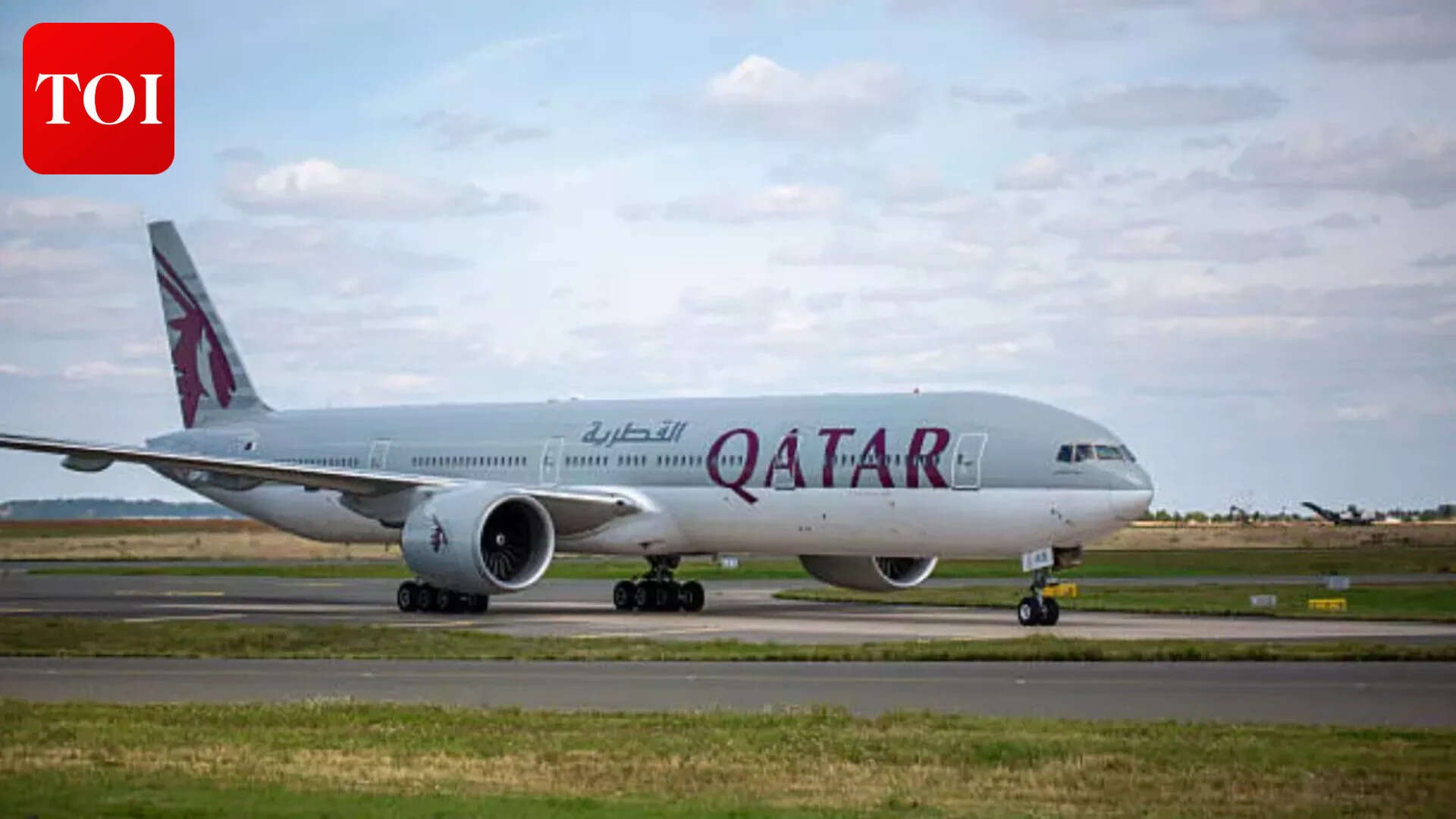
- The LNG Bottleneck: Unlike crude oil, which can be stored in strategic reserves (SPR), Liquified Natural Gas (LNG) operates on a "just-in-time" delivery model. Roughly 20% of global LNG trade passes through Hormuz. Because LNG liquefaction cannot be easily throttled without damaging cryogenic equipment, a multi-week transit halt forces producers like Qatar to flare gas or shut in production, creating a permanent loss of molecules that cannot be "recovered" later.
The Myth of Redundancy: Why Pipelines Cannot Offset the Shock
A common analytical error is the assumption that Saudi Arabia and the UAE can bypass a Hormuz closure using existing terrestrial infrastructure. The math of "Spare Capacity" is irrelevant if the "Export Capacity" is physically constrained.
- The East-West Pipeline (Saudi Arabia): This 745-mile link to the Red Sea has a nameplate capacity of roughly 5 mb/d. However, sustained operational capacity is lower, and much of this is already utilized for domestic refining or existing Red Sea exports.
- The Abu Dhabi Crude Oil Pipeline (ADCOP): Connecting Habshan to Fujairah, this bypasses Hormuz with a capacity of 1.5 mb/d.
Combined, these "escape routes" offer less than 6.5 mb/d of relief. This leaves a minimum deficit of 14 mb/d—approximately 14% of global demand—that is physically trapped within the Persian Gulf. No amount of SPR releases from the United States or IEA members can bridge a 14 mb/d gap for more than a few weeks before reaching "tank bottoms," the level at which oil can no longer be pumped from salt caverns.
The Inflationary Transduction: From Brent to the Consumer Price Index
The energy shock is not a localized event but a macroeconomic contagion. The "Transduction" occurs when the surge in Brent crude—projected to jump from $67 to $100+—filters through the global supply chain via three specific vectors:
1. The Fertilizer-Food Correlation
The Persian Gulf is a massive exporter of urea and ammonia, which are derived from natural gas. A halt in shipments from the region’s massive petrochemical complexes (such as those in Qatar and Saudi Arabia) leads to an immediate spike in global fertilizer prices. This creates a lagged but inevitable increase in global food prices, particularly in emerging markets in Asia and Africa.
2. The Asian Dependency Ratio
The shock is geographically asymmetric. Approximately 80% to 84% of the energy moving through Hormuz is destined for Asian markets (China, India, Japan, South Korea). Unlike the United States, which is a net exporter of petroleum liquids, these economies face a direct hit to their Current Account Deficits (CAD). For India, every $10 rise in oil prices typically widens the trade deficit by $12 billion annually, forcing central banks to maintain higher interest rates to defend currency stability.
3. The Freight and Logistics Surcharge
As tankers are rerouted or idled, the global "ton-mile" demand increases. Shipping firms like MSC and Maersk have already signaled suspensions in the region. The resulting shortage of available hulls for other routes causes a secondary spike in global freight rates, re-igniting the "cost-push" inflation that plagued the global economy in the early 2020s.
The Strategic Calculation: Buffer vs. Breakout
While OPEC+ announced a production increase of 206,000 bpd on March 1, 2026, this is a signaling mechanism rather than a physical solution. The group’s total effective spare capacity of 3.5 mb/d is a "paper buffer" that cannot reach the market if the Strait is contested.
The definitive forecast hinges on the duration of the "Risk to Transit." If the conflict is limited to precision strikes on Iranian military assets without a sustained Iranian effort to mine the shipping lanes, the market will likely stabilize at a $15–$20 premium (roughly $85/bbl). However, if Iran executes a "Total Closure" strategy—deploying its "dark fleet" for sabotage or using anti-ship missiles to target neutral commercial vessels—the physical deficit will drive prices toward $140/bbl, triggering a global recessionary cycle by the third quarter of 2026.
Strategic focus must shift from "Production Capacity" to "Transit Security." The primary lever for stabilizing global energy flows is no longer the price of oil, but the cost of the War Risk insurance premium and the physical reopening of the bidirectional shipping lanes.
The immediate move for energy-intensive enterprises is to hedge against a 90-day maritime blackout in the Gulf, as the current supply glut in the Atlantic Basin is insufficient to absorb a sustained Hormuz disruption. India and China, as the primary "end-of-pipe" victims, will likely be forced into the role of diplomatic or naval mediators to protect their own industrial base.