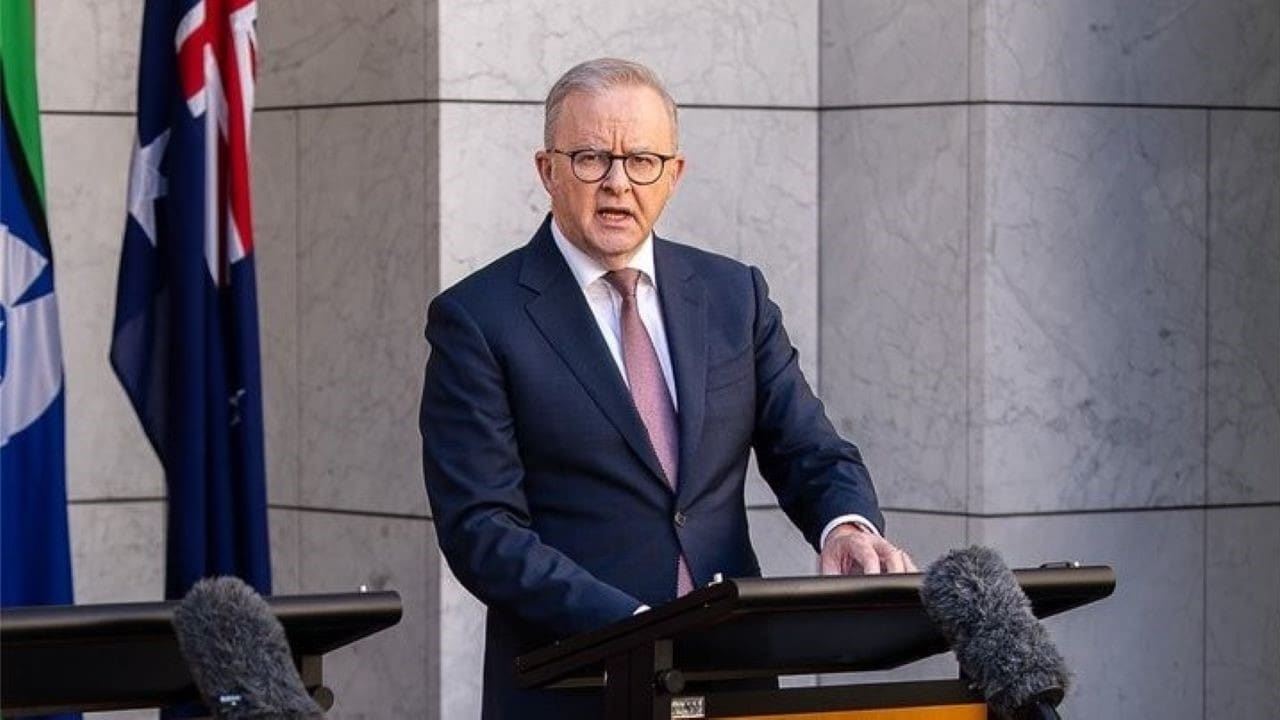
Tech giants have spent years treating the internet like a free buffet, but Australia just handed them the bill. If you've followed the saga of Meta and Google in Australia, you know it's been a mess of threats, news blackouts, and corporate posturing. Today, the Albanese government basically said "enough." They’ve released draft laws for a new News Bargaining Incentive (NBI) that stops these companies from dodging their responsibilities to the local journalists who actually do the hard work of reporting.
The core of the issue is simple. Meta, Google, and now TikTok make billions from the attention people pay to news on their platforms. But when it comes time to pay the people who wrote those stories, the tech giants suddenly get shy. This new plan doesn't just ask them to pay; it taxes them 2.25% of their entire Australian revenue if they don't. Honestly, it's about time someone stopped letting them use "we'll just pull the news" as a Get Out of Jail Free card. In other news, take a look at: The Jury and the Ghost in the Machine.
The 2.25% hammer coming for Meta and Google
The government isn't playing around with small fines anymore. Under the proposed NBI, any digital platform with more than $250 million in Australian revenue that refuses to strike commercial deals with local news outlets will face a massive levy. We're talking about a 2.25% charge on their total local earnings. For a company like Meta or Google, that’s hundreds of millions of dollars.
The logic is smart. Instead of just "designating" a company under the old 2021 laws—which Meta successfully dodged by simply walking away from deals—this creates a financial incentive to stay at the table. If you make a deal, you get a tax offset that can bring your liability down to zero. If you don't? You pay the government, and they give that money to the newsrooms anyway. CNET has analyzed this fascinating subject in great detail.
Why the old system broke
Back in 2021, Australia was the first to try this with the News Media Bargaining Code. It worked for a bit. Google signed deals, and Meta followed suit. But in 2024, Meta decided it was done. They refused to renew deals worth roughly $70 million a year, arguing that news isn't "core" to their business.
The problem is, the old law had a giant loophole. A company could only be forced to pay if the Treasurer "designated" them. Meta basically dared the government to do it, knowing they could just block all news in Australia (again) to avoid the law. The new NBI fixes this because the charge applies whether or not they carry news content. It treats the tech giants’ presence in the Australian market as the trigger, not just the specific links they show.
Who actually gets the money
There’s always a worry that this is just a "Big Media" cash grab. While players like News Corp and Nine Entertainment are definitely backing this, the NBI is designed to be a bit more nuanced. The money collected from the levy doesn't stay in the government's pockets. It’s passed directly to media outlets based on how many full-time journalists they employ.
There’s a "weighting" system in place here too. Small local papers, rural broadcasters, and multicultural news services are supposed to get a bigger slice of the pie relative to their size. It’s an attempt to save the local court reporter or the regional journalist who covers the council meetings nobody else attends. Without these people, democracy gets a lot quieter and a lot more corrupt.
The TikTok factor
Interestingly, the government has specifically named TikTok alongside Meta and Google. This is a big shift. It acknowledges that the way we consume news has changed. Younger Australians aren't necessarily clicking links on Facebook; they're watching news clips or explainers on TikTok. By including them, the government is admitting that "news" isn't just a 1,000-word article anymore—it’s the information flow that happens on any dominant platform.
Is this just a digital services tax in disguise
The tech giants are already complaining. They're calling it a "digital services tax" that doesn't understand how the modern internet works. Meta’s argument has always been that they provide "free marketing" to news sites by sending them traffic. They think the news sites should be thanking them, not charging them.
But here’s what they get wrong. The value isn't just in the "click." It's in the data gathered while people browse news, the time spent on the platform, and the general utility of the app. If Facebook didn't have news, it would be a significantly more boring place, and they know it. The government's stance is that there's no substitute for professional journalism, and if these platforms are going to profit from an informed (or misinformed) public, they need to help fund the people who provide the facts.
What happens next for your news feed
The draft legislation is out for public consultation until May 18, 2026. After that, it’s headed for Parliament. If it passes—and with the major media companies and the government in sync, it likely will—the tech giants have a choice to make.
- Sign the deals: This is what the government wants. Google has already signaled it’s more willing to play ball than Meta.
- Pay the tax: They could just accept the 2.25% hit as a cost of doing business, though it's a huge sum.
- Fight it in court: Expect a lot of legal talk about international trade obligations and "discriminatory" taxing.
If you're a reader, you might see more "please support local journalism" banners, or you might see another brief period where news links disappear if Meta throws another tantrum. But this time, the government has a financial leash on them that they can't just snap.
If you care about having a local paper or a news site that isn't just AI-generated sludge, keep an eye on this. The "free" internet was always a bit of a myth; we’re just finally seeing the real price tag. If you want to see where the money goes, check the Treasury's public consultation papers. Otherwise, just keep reading—someone finally made sure the bill is being sent to the right address.


