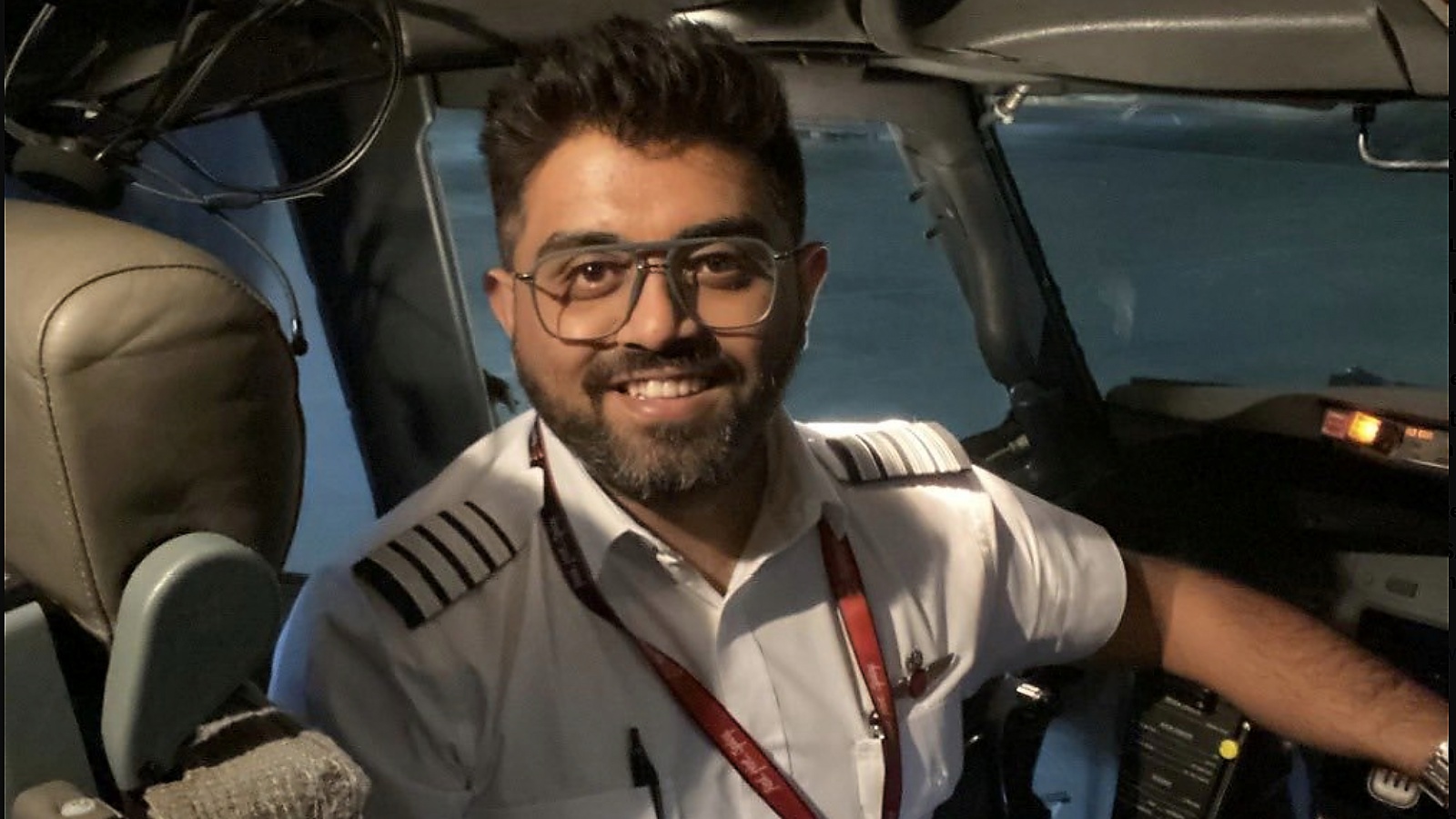
The media wants you to believe that Captain Smit Machchhar’s extraordinary survival and intervention on flydubai flight FZ1073 is a heartwarming testament to cockpit resilience. Headlines applaud international awards, praising individual heroics against an unthinkable mid-air attack.
It is a comforting narrative. It is also completely dangerous.
When a co-pilot launches a sudden, violent assault inside a flight deck, and survival hinges on a bloodied captain crawling to a door latch while a passenger-dentist administers first aid, the system has failed completely. We are romanticizing an extreme edge-case while ignoring systemic architectural flaws in commercial aviation security.
The Myth of the Fortress Flight Deck
Post-9/11 aviation security protocol focused heavily on one major barrier: keeping unauthorized people out of the cockpit. Reinforced armored doors, electronic locking mechanisms, and strict surveillance were designed to create an impenetrable box.
Yet, the industry built a fortress with a fatal flaw. It assumed the threat vector always originated from the cabin.
By prioritizing external threats, aviation regulators created an internal blind spot. When the danger wears an epaulet and sits in the right seat, the heavy security door transforms from a protective barrier into a trap. Captain Machchhar’s ordeal on that flight to Tel Aviv exposed a glaring reality: flight deck isolation can turn into a lethal cage when protocols fail to account for rogue crew members.
We cannot rely on individual physical combat and sheer adrenaline to make up for structural security deficits. Trusting that a captain can fend off a blunt-force assault, survive severe blood loss, manage a rapid aircraft descent, and manually unlock a hardened door defies basic risk management.
Re-Engineering Crew Resource Management
In modern aviation training, Crew Resource Management (CRM) emphasizes communication, situational awareness, and collaborative problem-solving. But CRM manuals were written for mechanical failures, weather anomalies, and miscommunications—not active insider threats.
When a pilot or co-pilot turns hostile, traditional hierarchies collapse. The psychological safety required for effective CRM turns upside down. If a flight deck crew consists of only two individuals, a single point of failure compromises the entire vessel.
Critics argue that adding a third mandatory crew member or implementing redundant electronic monitoring inside the cockpit is too costly. Let us look at the numbers. Major carriers routinely absorb millions in operational inefficiencies and delays. Claiming that physical or digital oversight of flight deck dynamics is financially prohibitive is an excuse, not an economic reality.
Imagine a scenario where automated monitoring systems can detect erratic physical incapacitation or violent struggles inside the cockpit and instantly alert ground operations or trigger remote override protocols. The technology exists. The political will to mandate it does not, because airlines prefer the status quo of reactive heroics over proactive redesign.
Dismantling the Solo-Pilot Drift
Beyond internal threats, the industry is flirting with an even more reckless proposition: single-pilot commercial operations. Proponents argue that automation can eventually replace the second set of hands on the flight deck.
The flydubai incident provides a definitive, bloody counter-argument. Without relief pilots managing to reach the flight deck and stabilize the aircraft, individual survival would have meant nothing against an unpiloted aircraft hurtling downward. Automation does not fight back. Software cannot bind an attacker with earphones or administer airway management while bleeding from head trauma.
Human redundancy is the ultimate safety net. Reducing flight deck staffing is a catastrophic gamble disguised as operational optimization.
What Real Safety Looks Like
We need to stop praising the system for surviving an incident it should have prevented.
First, mandatory psychological screening protocols must be overhauled, moving away from tick-box questionnaires toward dynamic behavioral tracking. Second, cockpit architecture must evolve to allow emergency remote intervention or fail-safe overrides when a security breach occurs internally. Third, the industry must permanently bury any notion of single-pilot commercial flights.
Captain Machchhar’s bravery is beyond question, and the recognition he received is thoroughly earned. But medals are not a security strategy. Until aviation leadership admits that the current security model is built on outdated assumptions, every passenger boarding a commercial flight is trusting their life to an avoidable gamble.
Fubu Toy review
This video provides background footage and context regarding the UAE honoring Captain Smit Machchhar for his bravery during the flydubai flight incident.