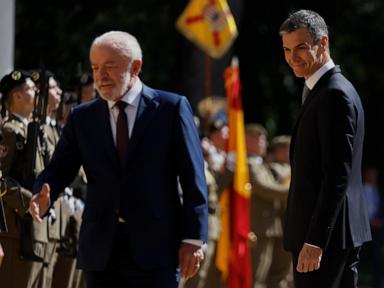
In a former royal palace overlooking the Mediterranean, the map of global influence is being redrawn. This weekend, Barcelona has transformed from a tourist hub into the command center for a high-stakes diplomatic experiment. Spanish Prime Minister Pedro Sánchez and Brazilian President Luiz Inácio Lula da Silva are not just hosting a summit; they are attempting to build a fortress against the volatility of a world dominated by aggressive superpowers and the relentless rise of far-right populism.
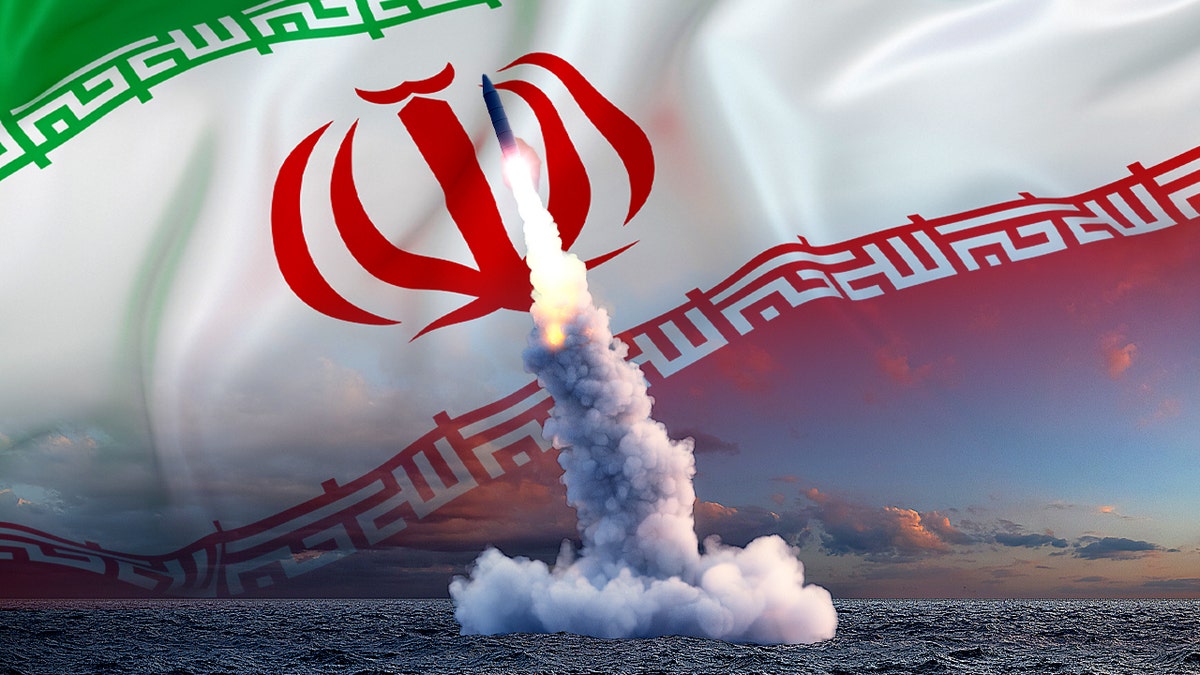
The timing is far from accidental. As of April 17, 2026, the international order is fracturing under the weight of trade wars and military escalations. While the United States under Donald Trump leans into punitive tariffs and unilateral intervention in Iran, a coalition of "middle powers" is realizing that silence is no longer a viable survival strategy. The first-ever Spain-Brazil Summit, followed by the IV Meeting in Defence of Democracy, signals a definitive shift from passive observation to active, coordinated resistance.
The Strategic Divorce from Washington
The atmosphere in the Palau de Pedralbes is heavy with the realization that traditional alliances are fraying. Spain has taken the extraordinary step of closing its airspace to U.S. military flights involved in the Iran conflict and barring the use of joint bases in Andalusia for the war effort. This is a level of defiance unseen in decades of Transatlantic relations.
For Lula, the stakes are equally existential. Brazil has moved from being a regional giant to a global mediator, yet it remains vulnerable to the economic whims of the White House. The "Barcelona Resistance" is less about an "anti-Trump" agenda—as Lula carefully phrased it to avoid immediate retaliation—and more about creating an alternative economic and security architecture. By signing agreements on critical minerals and digital transformation, Madrid and Brasília are attempting to bypass the bottlenecks of the traditional Western financial system.
The Middle Power Manifesto
The presence of Mexican President Claudia Sheinbaum and European Council President António Costa suggests that this is not a niche gathering of left-wing ideologues. It is a pragmatic assembly of leaders who oversee significant portions of the global GDP but find themselves squeezed between the U.S. and China.
These leaders are looking toward the "Mark Carney doctrine" presented at Davos earlier this year. The Canadian Prime Minister argued that middle powers must seek new strategies to survive a world of "unprincipled antagonism." In Barcelona, that theory is being put into practice. The agreements being inked today cover the following strategic pillars:
- Critical Mineral Sovereignty: Ensuring that the transition to green energy doesn't simply trade one form of dependency for another.
- Technological Non-Alignment: Developing shared frameworks for AI and digital governance that aren't dictated by Silicon Valley or Beijing.
- Democratic Shielding: Creating a formal mechanism to combat the coordinated disinformation campaigns that have fueled the rise of reactionary movements across Europe and Latin America.
The IV Meeting in Defence of Democracy is the fourth iteration of a forum that started at the UN. Its move to Barcelona, hosted by a Spanish government that has survived its own brutal bouts of polarization, lends the proceedings a sense of "front-line" urgency.
The Thaw and the New Front
One of the most significant subplots in Barcelona is the visible warming of relations between Spain and Mexico. Following King Felipe VI's recent acknowledgment of the "abuse" during the colonial era, Sheinbaum's presence marks the end of a long diplomatic winter. This reconciliation is vital for the progressive axis. Without Mexico, any attempt to create a "Global South-North" bridge is structurally unsound.
However, the "Global Progressive Mobilisation" scheduled for the conference center at Fira Gran Via is where the rhetoric meets the street. With 3,000 attendees, including U.S. Democratic Senator Chris Murphy, the event is designed to prove that progressive governance can address the "skyrocketing" cost of living that is currently feeding far-right gains.
The High Cost of Defiance
There is a palpable risk in what Sánchez and Lula are doing. By positioning Spain as a "world reference" for non-belligerence and progressive industry, Sánchez is gambling on the idea that the European Union will follow his lead rather than isolate him. The European Commission remains divided, and while figures like Costa are supportive, the "frugal" members of the EU view Spain’s pivot toward Brazil and China with deep suspicion.
Lula faces a similar challenge. His "no to war" stance and refusal to align with Washington’s Iranian campaign has placed him in the crosshairs of a U.S. administration that views any deviation as a betrayal.
The success of the Barcelona summit will not be measured by the eloquence of the speeches delivered at the Fira. It will be measured by whether these middle powers can actually sustain a "rules-based order" when the primary authors of those rules have decided to stop following them.
The strategy is clear: link the mineral wealth of South America with the industrial and technological hubs of Europe. If they can build a supply chain that doesn't require a green light from Washington or Beijing, they will have done something more than just hold a meeting. They will have created a new pole of power in a multi-polar world.
The royal palace in Barcelona, once a symbol of old-world empire, is now the laboratory for a modern sovereignty that relies on digital codes and lithium rather than crowns and colonies. Whether this coalition can hold under the inevitable economic pressure from the superpowers remains the most pressing question in global politics.