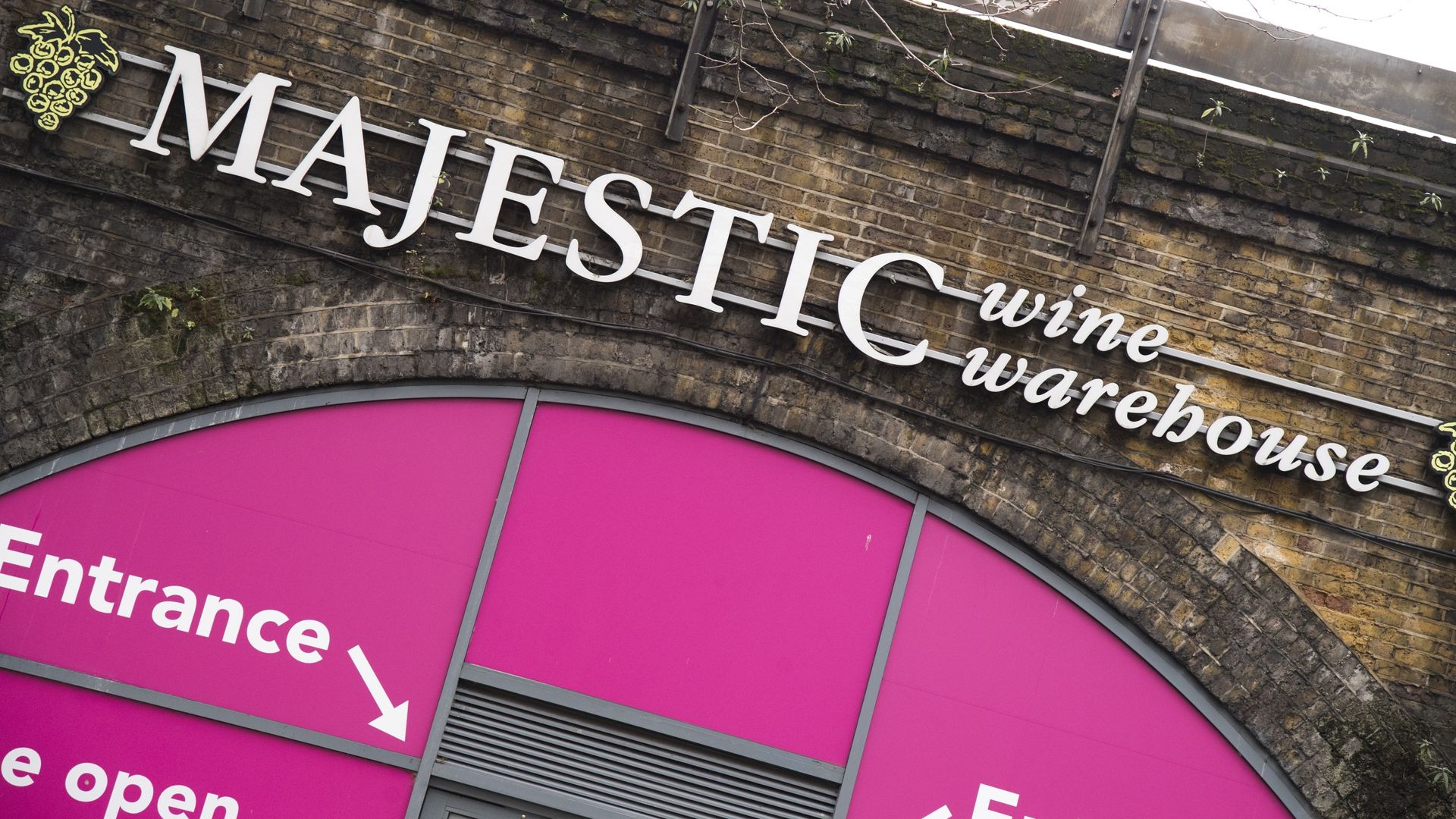
Supermarket dominance usually feels like a slow, predictable march. Giant grocers swallow smaller competitors, scale up logistics, and squeeze suppliers until margins squeak. But the ongoing auction for Majestic Wine Group has thrown a brilliant wrench into that narrative. When retail giants collide with nimble digital operators, things get interesting fast.
The bidding war for Majestic features an unexpected clash. On one side stands Tesco, Britain's largest supermarket titan, eyeing the specialist retailer through its expansive Booker wholesale machinery. On the other side is Komerz, the digital-first parent company of Great Wines Direct backed by billionaire Siddharth Shankar, which has stepped directly into the ring. This isn't just about corporate balance sheets. It is a high-stakes referendum on how wine should be sold to British consumers.
The Stakes Behind the Fortress Sell-Off
Let's look at why this auction is happening now. Fortress Investment Group, which acquired Majestic seven years ago, decided it was time to cash out. Under private equity stewardship, Majestic navigated turbulent retail waters, even posting what it heralded as its strongest Christmas trading period in its forty-five-year history. Yet, ownership transitions in retail carry immense friction.
When private equity firms put major retail assets on the block, they look for deep pockets and strategic synergy. Tesco has scale in abundance. Integrating Majestic or leveraging its brand equity via Booker could alter high street dynamics overnight. However, supermarket consolidation rarely thrills wine enthusiasts who value curation, staff expertise, and physical browsing experiences that transcend fluorescent-lit aisles.
Enter the Digital Challenger
This is where the involvement of Great Wines Direct's owner changes the complexion of the deal. Komerz represents a newer breed of digitally native, acquisition-led retail groups. Buying Great Wines Direct was just the opening salvo in a broader strategy to scale specialized commerce.
Challenging a grocery colossus like Tesco isn't easy. Supermarkets command massive buying power and supply chain efficiencies that smaller specialist groups can struggle to match. But online merchants bring agility. They understand customer data in niche categories differently than mass-market grocers do. If an agile digital operator manages to outmaneuver or outbid a grocery giant for a crown jewel of specialist wine retail, it signals a massive shift in how retail power is distributed.
What Retail Buyers and Drinkers Actually Want
Why should you care about who wins Majestic? Because retail consolidation directly impacts what ends up in your glass. Supermarkets rely heavily on volume discounting, steep promotions, and centralized purchasing. Consumer research frequently shows that aggressive supermarket discounting trains shoppers to buy strictly on price, which can inadvertently sideline smaller vineyards producing distinct, terroir-driven bottles.
Majestic built its reputation on a different model. Knowledgeable staff, mixed-case flexibility, and a physical footprint designed for discovery set it apart from standard grocery shopping. If Tesco absorbs the brand, the integration path will likely lean toward operational efficiency and wholesale muscle via Booker. If an independent digital-focused group steers the ship, the focus might double down on digital integration, direct-to-consumer reach, and curated curation.
The Broader Shift in British Retail
This auction also highlights a wider evolution in cross-border investment and ownership. Modern retail dealmaking increasingly involves tech-forward platforms with global backing rather than traditional domestic conglomerates. India-Britain business ties have matured significantly over the past two decades, moving from legacy acquisitions of heritage manufacturing names to dynamic, digitally integrated consumer platforms.
No matter who ultimately wins the keys to Majestic, the bidding war exposes the raw tension at the heart of modern commerce. Scale versus specialization. Algorithm-driven logistics versus human curation. Mass efficiency versus retail romance.
Keep an eye on how Fortress evaluates these competing bids. The final decision will write the next major chapter for high street wine retail, proving once and for all that even the biggest supermarkets don't have an automatic right to conquer every niche.