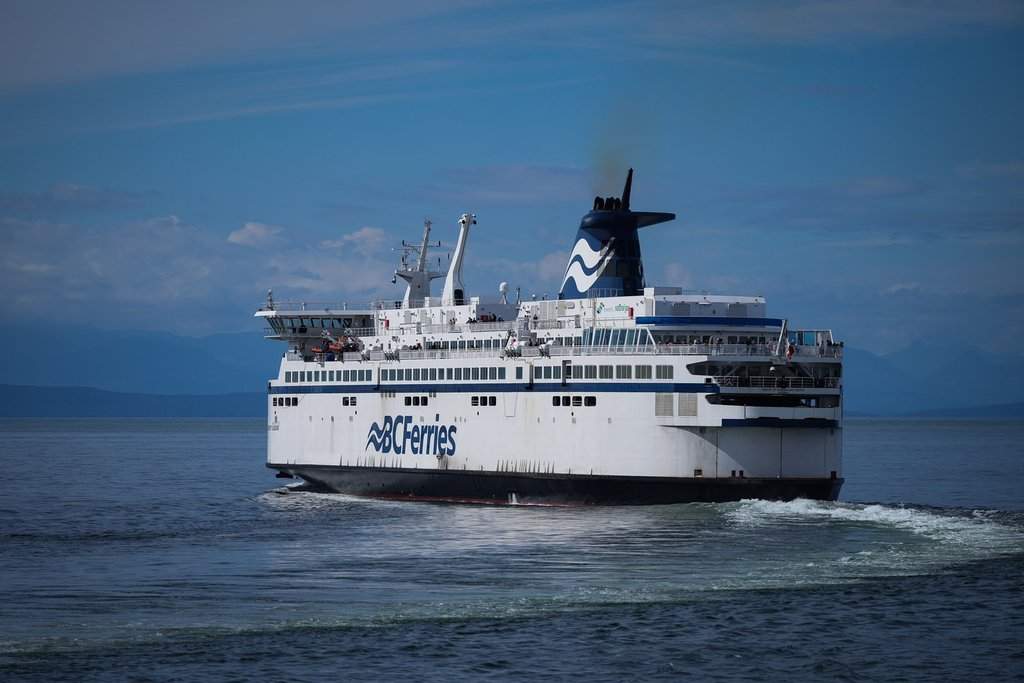
BC Ferries is slapping a 5 per cent fuel surcharge on travelers, and the entire province is nodding along as if it’s an act of God.
The corporate press prints the press release verbatim: "Global fuel prices are volatile." "We have to protect our bottom line." "It’s a temporary measure."
It is a lie. Not a legal lie, but a structural one.
Blaming global oil markets for a ferry fare hike is the ultimate executive cop-out. It shifts the blame from boardroom mismanagement to geopolitical chess pieces halfway across the world. The narrative suggests that when OPEC sneezes, Vancouver Island commuters must catch a cold.
The reality? This surcharge isn't a reflection of inescapable global economics. It is an admission of operational failure, a complete misunderstanding of commodity hedging, and a textbook example of a monopoly offloading its structural inefficiencies onto a captive audience.
If you run a business where fuel is your second-largest operating expense, treating fuel prices like an unpredictable weather pattern isn't just lazy—it’s corporate malpractice.
The Hedging Myth and the Illusion of Volatility
Let’s dismantle the premise that BC Ferries is a helpless victim of the spot price of marine diesel.
Major transportation networks do not buy fuel at the pump like a consumer filling up a Honda Civic. They utilize sophisticated financial instruments—fuel hedging programs—to lock in prices months, sometimes years, in advance.
When a corporation implements a sudden surcharge, it tells you one of two things:
- They failed to hedge effectively, leaving themselves entirely exposed to market spikes.
- They are using market volatility as a convenient smoke screen to pad their operating margins.
I have spent years analyzing corporate capital allocation, and I have seen this exact playbook executed across the transport sector. Companies love to socialize their losses while privatizing their gains. When fuel prices plummet, do you see an immediate, automatic 5 per cent "fuel bonus discount" reflected on your booking receipt? Rarely. The savings are quietly absorbed into the corporate treasury to balance out overruns elsewhere. But the moment the market ticks upward, the surcharge mechanism is triggered with lightning speed.
BC Ferries utilizes a system of fuel deferral accounts. These accounts act as regulatory shock absorbers, designed to smooth out the peaks and valleys of fuel costs. The current surcharge means the deferral account is depleted. Why is it depleted? Because the organization fundamentally misjudged the structural shift in global refining capacity. They built a strategy for a market that no longer exists, and now the riding public is cutting the check for their bad math.
The Monopoly Protection Racket
If a commercial airline hits you with an unexpected, aggressive surcharge, you can fly with a competitor. You can opt to drive. You can take a train. The market forces the airline to balance the surcharge against the risk of losing market share.
BC Ferries operates under no such constraints. They enjoy a functional monopoly on coastal transit. For residents of Vancouver Island, the Gulf Islands, and the Sunshine Coast, the ferries are not a travel option; they are a marine highway.
+-------------------------------------------------------+
|                 THE CAPTIVE AUDIENCE EFFECT          |
+-------------------------------------------------------+
|  Standard Business:   Price Hike -> Customer Defects  |
|  BC Ferries Model:    Price Hike -> Customer Pays     |
+-------------------------------------------------------+
When a monopoly implements a surcharge, it isn't responding to market forces. It is exercising raw pricing power over a captive population.
People ask: "How else can they cover the millions in unexpected fuel costs?"
The question itself accepts a broken premise. It assumes that the only variable that can move is the top-line revenue extracted from passengers. It completely ignores the internal cost structure of the organization.
If a company cannot absorb a 5 per cent fluctuation in a core input cost without immediately threatening its fiscal stability, the problem isn't the cost of the input. The problem is a bloated operational model that operates with zero margin for error.
Let's look at the numbers. We are talking about an organization that routinely struggles with staffing shortages, sailing cancellations, and delayed vessel procurement. The fuel surcharge is a convenient distraction. It allows management to point at global oil charts instead of addressing the internal structural rot that makes their operations so wildly expensive to maintain.
The LNG Pivot That Wasn't
The great irony of the current fuel crisis is that BC Ferries spent the last decade bragging about its transition to cleaner, cheaper fuel sources. The Spirit-class vessels were retrofitted to run on Liquefied Natural Gas (LNG). The newer Salish-class vessels were built from the hull up as dual-fuel ships.
The public was sold a promise: LNG would lower emissions and, crucially, insulate the fleet from the volatile fluctuations of the global marine diesel market.
So, where is that insulation now?
What the press releases forgot to mention is that dual-fuel vessels can switch back to diesel when LNG supply chains tighten or when the price dynamics shift. More importantly, the infrastructure required to support a fully optimized alternative-fuel fleet was never executed with the urgency required.
They built the ships but remained tethered to the same old volatile energy grids. It was a half-measure disguised as a forward-thinking environmental strategy.
Imagine buying a hybrid vehicle to save on gas, but because you failed to install a charging port at your house, you end up running it almost exclusively on premium gasoline. That is the current operational reality. The taxpayer paid for the green PR sheen, and now they are paying the diesel surcharge anyway.
Stop Validating the "Cost-Recovery" Narrative
We need to fundamentally change how we evaluate public-private utilities. The current "People Also Ask" consensus around BC Ferries is deeply flawed.
Flawed Question: "Is the fuel surcharge fair given rising global oil prices?"
Brutally Honest Answer: It doesn’t matter if it’s fair; it’s an indicator of financial fragility. A resilient organization buffers its customers from market shocks rather than using them as an interest-free line of credit.
Flawed Question: "When will the fuel surcharge be removed?"
Brutally Honest Answer: Never assume a temporary tax or surcharge is temporary. Once a revenue collection mechanism is built into the point-of-sale infrastructure, it becomes a permanent lever for management to pull whenever their budget projections miss the mark.
The corporate defense is always the same: "We are mandated to operate on a cost-recovery basis."
This sounds responsible. It sounds disciplined. In practice, it is a recipe for inefficiency. When a business knows it can automatically recover any cost overrun by adding a line-item fee to the customer's bill, it loses all incentive to innovate, cut internal waste, or negotiate harder with fuel suppliers.
Cost-recovery mandates breed complacency. They turn executives into bureaucrats who manage spreadsheets rather than leaders who optimize operations.
The Hard Choice Ahead
If BC Ferries wants to operate like a real business, it needs to accept real business risks. That means when input costs rise, management must look inward before they look to the consumer's wallet.
They must ask hard questions:
- Why are executive compensation structures insulated from operational performance?
- Why has vessel procurement become an endless cycle of delays and cost overruns?
- Why hasn't the organization built a world-class commodity trading desk to completely neutralize fuel volatility?
The current contrarian reality is uncomfortable: the 5 per cent fuel surcharge is not an emergency response to a global crisis. It is a predictable penalty fee levied against British Columbians for the crime of relying on an organization that has outgrown its own ability to manage itself effectively.
Stop looking at the price of crude oil in London or New York. The problem isn't under the ocean floor; it’s at the executive table in Victoria.
Do not accept the narrative that this fee is an inevitability. Demand an audit of the hedging strategy. Demand accountability for the dual-fuel failures. Until the public stops buying the "global market forces" excuse, the surcharges will continue, the service will degrade, and the captive audience will keep paying more for less.
Stop complaining about the price of oil and start demanding a boardroom that knows how to buy it.