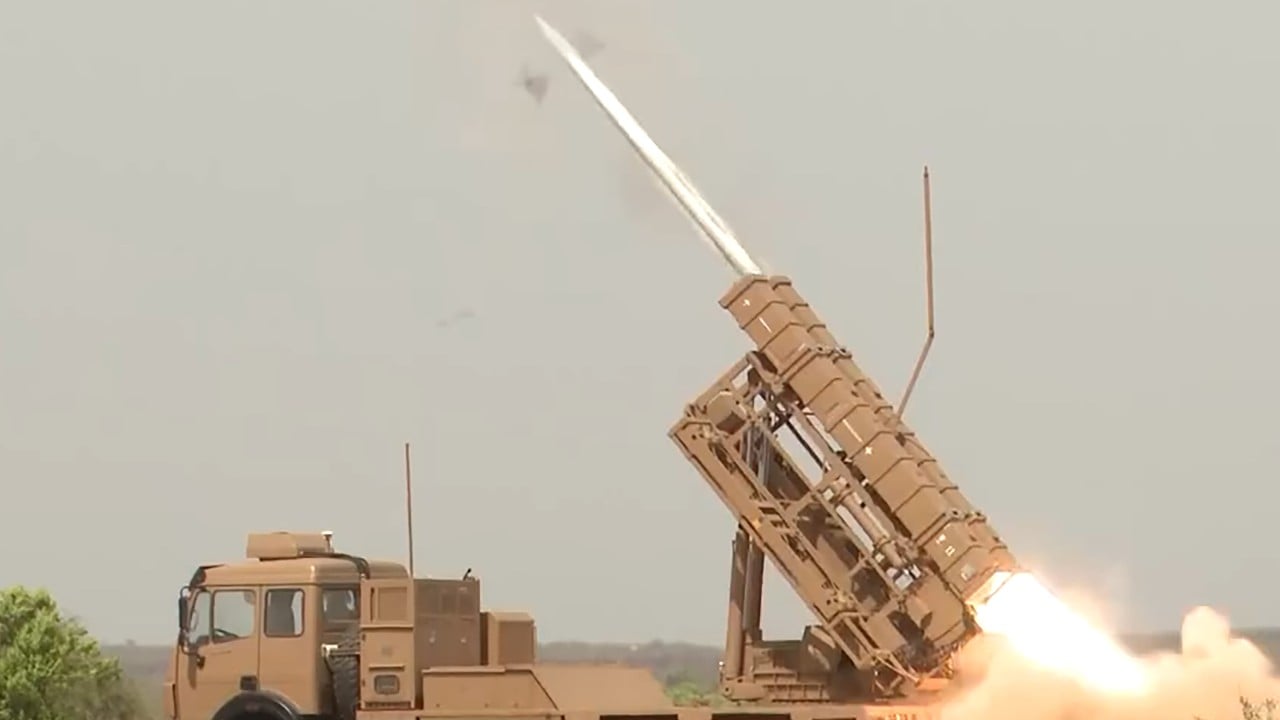
Every defense analyst in Washington and London is currently hyperventilating over the exact same shiny object. They look at footage of Sky Dragon 30 surface-to-air missile systems rolling through Ouagadougou and start spinning dystopian fantasies about a new Sino-African axis reshaping global security. They write breathless op-eds about Chinese military export inroads, treating hardware sales like geopolitical checkmate.
They are completely, embarrassingly wrong.
I have spent the better part of two decades watching foreign policy wonks mistake a commercial transaction for a strategic alliance. I have seen defense contractors blow millions trying to reverse-engineer export models that were obsolete before the paint even dried. The lazy consensus says that every export crate with Chinese characters on it represents an expanding totalitarian empire locking down the Sahel.
The reality is far more mundane, far more transactional, and far less threatening to global order. Beijing is not exporting ideology or carving out an invincible security architecture. They are offloading middle-tier inventory to cash-strapped juntas that cannot buy from anyone else.
The Myth of the Strategic Foothold
Let us address the core delusion. When a nation like Burkina Faso buys an air defense system, the armchair strategists assume a permanent dependency is born. They imagine Chinese technicians embedded in every radar station, whispering tactical directives into the ears of local commanders.
This ignores how international arms sales actually operate.
Hardware is a commodity. If you cannot buy Western systems because of human rights embargoes, congressional delays, or simple insolvency, you buy from the supermarket that asks fewer questions and offers better financing. China is that supermarket. They sell the Sky Dragon 30 not because they have a grand master plan to dominate West African airspace, but because assembly lines need to keep running, and capital needs to flow.
Buying a truck-mounted missile battery does not mean you have bought a doctrine. Operating a modern air defense network requires radar integration, secure communications, maintenance infrastructure, and thousands of hours of crew training. None of that comes in the shipping crate.
I have watched militaries acquire high-end hardware only to watch it sit rotting under camouflage netting twelve months later because they lacked the spare parts budget or the technical literacy to service the hydraulic seals. Assuming that the presence of Chinese hardware equals operational Chinese influence is like assuming owning a imported sports car makes you an expert mechanic.
Dismantling the Capability Fiction
Let us look at what the Sky Dragon 30 actually is, stripped of the marketing hype and the geopolitical anxiety. It is a medium-range air defense system designed to counter aircraft, helicopters, and precision-guided munitions.
Against whom?
Burkina Faso is fighting a sprawling, decentralized insurgency of insurgent groups operating motorcycles and pickup trucks in remote borderlands. They do not have an advanced air force. They do not face state-level supersonic bombers or cruise missile volleys. Deploying a sophisticated surface-to-air missile battery against asymmetric insurgents is the tactical equivalent of using a sledgehammer to swat a mosquito.
The equipment is misaligned with the actual threat matrix. But defense procurement is rarely about rational military utility; it is about political signaling. For a military government fighting for domestic legitimacy, rolling big tubes through the capital signals strength. It tells the populace that the state is modernizing, that protectors are at the gates, that outside partners are stepping up.
Beijing knows this. They are happy to provide the props for the parade. But confusing a parade prop for a strategic anchor is a rookie error that only someone who has never balanced a defense logistics ledger would make.
The Hard Truth: Export sales are a lagging indicator of manufacturing excess, not a leading indicator of imperial dominance.
The Downside of Cheap Hardware
My contrarian stance has a catch, and I am the first to admit it. By pointing out that these sales are largely superficial, I am not arguing that they are completely without consequence.
The danger is not that Burkina Faso becomes a client state of Beijing. The danger is the false sense of security these systems provide to the regime purchasing them. When leaders spend scarce national revenue on high-ticket prestige items that do not solve their core tactical problems, they bleed resources away from what actually works: human intelligence, counter-insurgency mobility, local policing, and logistical resilience.
China is more than happy to take the foreign exchange or the trade concessions. If the systems work, great. If they rust in a field, the factory has already been paid. It is a brilliant commercial model, but it is fundamentally commercial, not imperial.
Stop looking at every missile sale through the lens of a Cold War revival. The world has moved past simple bipolar blocs into a messy, transactional free-for-all where everyone is selling everything to anyone with a checkbook.
The next time you read a breathless headline about Beijing expanding its footprint via military exports, ask yourself a different question. Ask who is actually getting the worse end of the trade: the superpower offloading aging inventory, or the government trading its economic future for a missile that will never fire a shot in anger.