Beijing just rolled out the red carpet for a group it rarely spotlights in public. During a major commemorative ceremony marking the 80th anniversary of Taiwan's retrocession from Japanese colonial rule—alongside related historical milestones—Chinese officials pledged explicit support for what they call Taiwan's "pro-unification patriots."
If you only read the surface-level headlines, this sounds like routine cross-strait rhetoric. It isn't.
Having tracked Beijing's Taiwan policy papers and United Front work for over a decade, I can tell you the phrasing matters here. When the Chinese Communist Party (CCP) shifts from broad appeals about "compatriots" to targeted vows of backing "patriotic forces" on the island, it's signaling a tactical adjustment. They aren't trying to win over the Taiwanese mainstream anymore. They know that ship has sailed. Instead, they're doubling down on consolidating, funding, and legitimatizing a specific domestic constituency inside Taiwan to wage political and narrative warfare from within.
Let's strip away the diplomatic jargon and look at what Beijing is actually doing, why this specific anniversary was chosen, and what it means for stability in the Taiwan Strait.
The Anniversary Hook Why History Is Beijing’s Favorite Weapon
History isn't just about the past in East Asia. It's active ammunition.
The specific occasion behind Beijing's pledge ties directly to the historical narrative surrounding October 25, 1945—the day the Republic of China (ROC) formally accepted the surrender of Imperial Japanese forces in Taiwan, ending 50 years of Japanese colonial rule. In Taiwan, this is known as Retrocession Day. In Beijing, the CCP uses this exact date to argue that Taiwan was returned to China as a whole, positioning the People's Republic of China (PRC) as the sole legitimate successor state that inherited sovereignty over the island.
You might wonder why an event from 1945 dominates headlines in the mid-2020s. Because legal and historical framing is the bedrock of Beijing's diplomatic strategy.
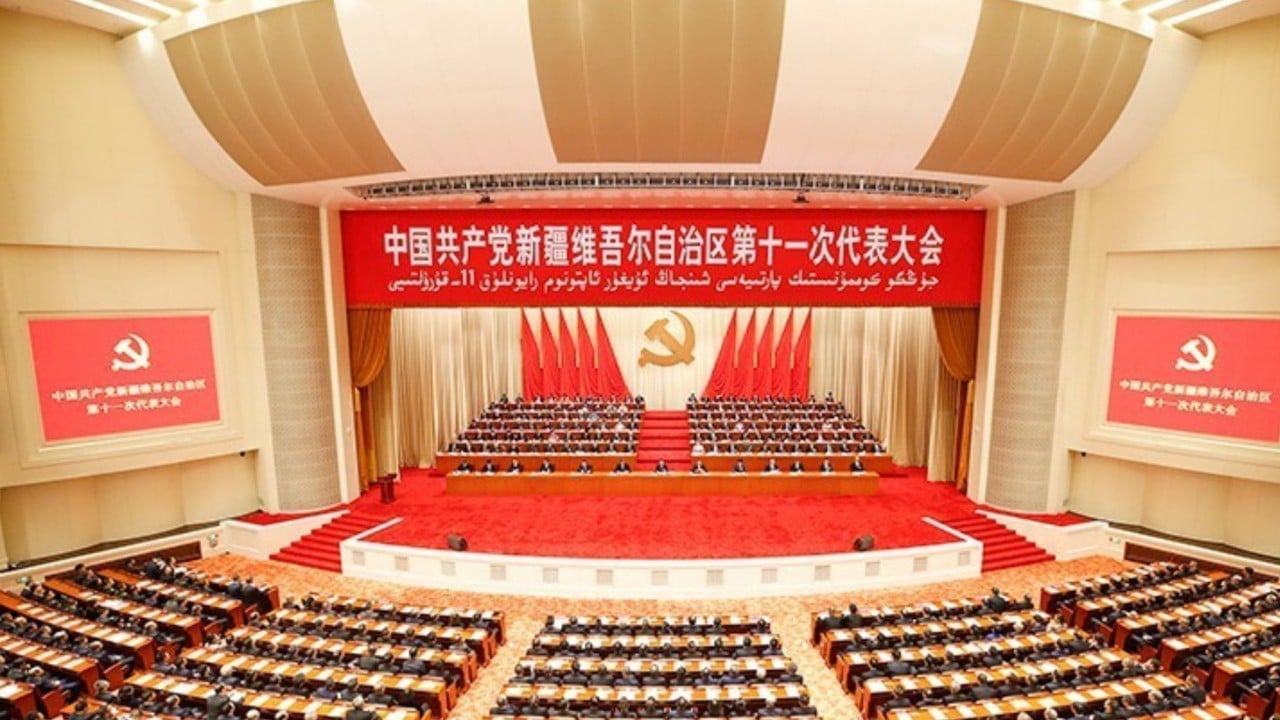
During the commemorative symposium in Beijing—typically hosted by the Chinese People's Political Consultative Conference (CPPCC) and attended by high-ranking officials like Wang Huning, the CCP's top ideology chief and fourth-ranked leader—the message was unmistakable. By anchoring their pledge to back pro-unification groups on this anniversary, Beijing is trying to equate support for unification with basic historical patriotism. If you oppose unification, their logic goes, you're betraying the anti-Japanese war effort and siding with foreign separatists.
It's a clever trap. And it puts Taipei in an awkward spot because the Democratic Progressive Party (DPP) government generally downplays Retrocession Day, viewing it through a much more complicated post-colonial lens rather than a triumphant national homecoming.
Who Are These Pro-Unification Patriots Anyway
When Beijing talks about backing Taiwan’s pro-unification patriots, who are they actually referring to? It’s easy to lump everyone in Taiwan who favors dialogue with China into one bucket, but that's a massive mistake.
Inside Taiwan, the political spectrum regarding cross-strait relations is fractured. On one end, you have the ruling DPP, which emphasizes Taiwan's distinct identity and de facto independence. In the middle, you have the Kuomintang (KMT) and the Taiwan People's Party (TPP), which generally favor maintaining the status quo, keeping communication channels open with Beijing, and avoiding war—though very few mainstream KMT politicians openly campaign on immediate unification anymore. It's political suicide at the ballot box.
Then you have the true pro-unification camp. These are the people Beijing is directly addressing.
- Ideological Unification Parties: Small, vocal political groups like the New Party, the Labor Party, and the Chinese Unification Promotion Party (CUPP), led by controversial figure Chang An-lo. These groups openly advocate for the "One Country, Two Systems" framework that Beijing applied to Hong Kong.
- Historical and Cultural Associations: Organizations formed by descendants of anti-Japanese resistance fighters in Taiwan, mainlander veterans' associations, and cross-strait academic exchange foundations.
- Grassroots Borough Chiefs and Local Brokers: Community leaders in Taiwan who frequently travel to Fujian province for subsidized cultural exchanges, religious festivals (like Mazu pilgrimages), and business forums.
Honestly, the electoral influence of hardline pro-unification parties in Taiwan is tiny. In legislative and presidential elections, these fringe parties regularly pull less than 1% of the vote. Data from National Chengchi University's Election Study Center consistently shows that explicit support for immediate unification sits in the low single digits—often hovering around 1% to 2%.
So why does Beijing bother?
Because you don't need 51% of the vote to disrupt a democracy. You only need a dedicated, well-resourced minority capable of amplifying narratives, organizing protests, filing legal challenges, and keeping Beijing's talking points alive in Taiwan's hyper-competitive media ecosystem.
How Beijing Actually Backs Its Allies on the Island
A pledge from Beijing isn't just warm words. It comes with institutional machinery behind it. When senior officials promise to "firmly support" pro-unification forces, that support flows through the CCP's United Front Work Department (UFWD) and the Taiwan Affairs Office (TAO).
If you look at recent patterns documented by Taiwanese security agencies and independent researchers like those at the Doublethink Lab, this backing takes several concrete forms.
First, there's economic and travel patronage. Pro-unification figures and grassroots organizers get VIP access to mainland business opportunities, agricultural purchase agreements, and heavily subsidized "exchange tours." For a local borough chief in central or southern Taiwan, getting invited to an all-expenses-paid summit in Xiamen where they're treated like visiting dignitaries carries real social currency back home.
Second, Beijing provides media and platform amplification. Taiwanese commentators who appear on mainland state television—like CCTV—or who push unification narratives on YouTube and TikTok receive massive algorithmic boosts and state-media syndication. They become minor celebrities on the mainland, which translates into monetization and influence back in Taiwan.
Third, there's legal and political shielding. Beijing has simultaneously ramped up its legal warfare against what it calls "diehard Taiwan independence separatists," issuing judicial guidelines that threaten severe penalties, even the death penalty in absentia, for pro-independence activists. By contrast, pro-unification patriots are promised protection, preferential treatment under mainland laws, and an honored place in the "great rejuvenation of the Chinese nation." It's a classic carrot-and-stick approach designed to raise the personal cost of opposing Beijing while lowering the risk of working with them.
What Most Analysts Get Wrong About This Strategy
Here is where a lot of Western commentary misses the mark. Pundits often look at polling data in Taiwan, see that 80% to 90% of Taiwanese people reject Beijing's "One Country, Two Systems" model, and conclude that Beijing's United Front work is a complete failure.
That's a dangerous misreading of the objective.
Beijing isn't stupid. Officials in Zhongnanhai read the same polling data we do. They know they aren't going to convince a 25-year-old software engineer in Taipei to suddenly fall in love with the CCP.
The goal isn't conversion. The goal is polarization and paralysis.
By publicly championing pro-unification patriots, Beijing forces Taiwan's democratic government into a bind. If Taipei cracks down on these groups using its Anti-Infiltration Act, Beijing and opposition politicians immediately accuse the DPP of authoritarianism, "green terror," and suppressing free speech. If Taipei ignores them, these groups continue operating as an unregulated conduit for Beijing's influence operations, sowing doubt about US reliability and portraying the Taiwanese government as reckless warmongers.
Either way, internal trust erodes. Democratic institutions get bogged down in endless partisan warfare over loyalty and national identity. While Taiwan's political class fights itself, Beijing's military and coast guard steadily normalize their presence around Taiwan's waters and airspace.
The Hong Kong Shadow Nobody in Taiwan Forgets
There is one massive obstacle standing in the way of Beijing's pro-unification push, and no amount of anniversary speeches can erase it.
Hong Kong.
For decades, Beijing pitched "One Country, Two Systems" as a generous compromise designed specifically with Taiwan in mind. They promised Taiwan could keep its own currency, its own political system, and even its own military after unification. Then came 2019 and the imposition of the National Security Law in Hong Kong.
Watch how Taiwanese voters reacted. In the 2020 presidential election, Tsai Ing-wen won a record 8.17 million votes largely because Hong Kong demonstrated in real time what Beijing's promises actually look like once control is secured.
Even among Taiwan's remaining pro-unification advocates, Hong Kong is an awkward subject. Many old-school Chinese nationalists in Taiwan dreamed of unification under the banner of the Republic of China, or at least a democratic, reformed China. Very few signed up for the absorption of Taiwan into an authoritarian one-party state.
When Beijing pledges to back Taiwan's patriots today, it's mostly speaking to an aging demographic of traditionalists and a smaller circle of opportunists. Younger generations in Taiwan overwhelmingly identify solely as Taiwanese, not Chinese, and view unification as a direct threat to their civil liberties, marriage equality, and free press.
Tracking the Next Moves in the Taiwan Strait
If you want to understand where cross-strait tensions are heading over the next year, stop focusing exclusively on fighter jet incursions across the median line. Watch the political ground game inside Taiwan.
Pay attention to how Taipei enforces its national security laws against individuals and associations accepting mainland funding. Watch how the KMT navigates this space—whether its leadership distances itself from the hardline unification rhetoric coming out of Beijing to protect its electoral viability, or whether party elders continue attending commemorative events on the mainland that hand political ammunition to their opponents.
Most importantly, look at the rhetoric coming out of Beijing's annual "Two Sessions" and cross-strait forums in Fujian. Every time Beijing sharpens its definition of who counts as a "patriot," it simultaneously narrows the space for anyone trying to walk the middle ground.
If you're following this issue closely for business, policy, or research, start tracking primary sources directly rather than relying on filtered summaries. Read the official white papers from Beijing's Taiwan Affairs Office alongside the quarterly public opinion surveys from National Chengchi University and the mainland policy briefs from Taiwan's Mainland Affairs Council. Comparing what Beijing claims its "patriots" represent against what Taiwanese citizens actually vote for will tell you everything you need to know about the widening gap across the strait.