Billionaire trust funds aren't what they used to be. For decades, the playbook for the ultra-wealthy was entirely predictable. You build a massive empire, hoard the cash, pass a giant chunk to your children, and leave the rest to a private family foundation that doles out tiny five-percent grants long after you're gone.
That old playbook is dying.
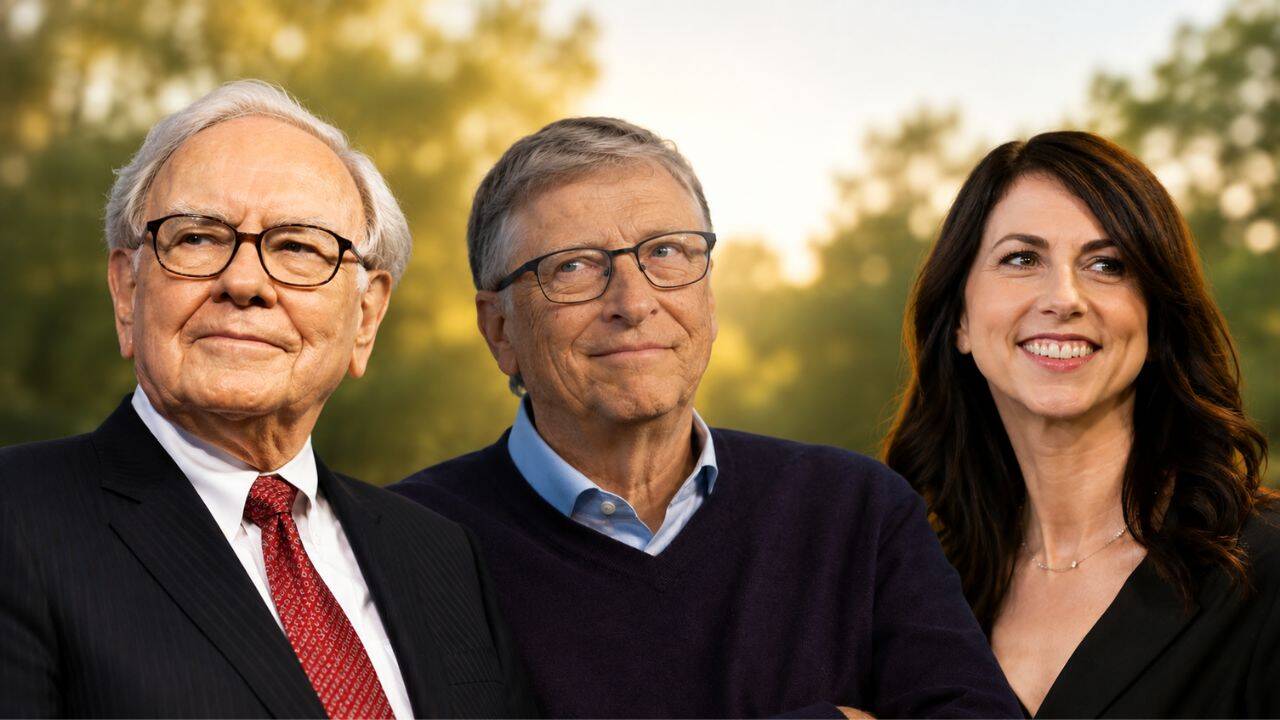
A massive cultural shift is ripping through the ranks of the world's wealthiest families. Led by the public actions of tycoons like Warren Buffett, Bill Gates, and MacKenzie Scott, a growing number of ultra-high-net-worth individuals and their children are deciding that sitting on mountains of generational wealth is a terrible idea. They're giving it away. And they're doing it right now, while they're still alive, rather than waiting for the reading of a will.
This isn't just about tax avoidance or good public relations. It's a fundamental rewriting of how wealth, inheritance, and social responsibility intersect. The modern generation of wealthy heirs doesn't want to wait until they're eighty to make an impact. They see the compounding crises of the modern world and realize that money locked up in an endowment today is a wasted opportunity.
The Trillion Dollar Inheritance Bomb
We're currently living through the greatest wealth transfer in human history. Over the next two decades, aging baby boomers are expected to pass down an estimated eighty-four trillion dollars. A massive portion of that total sits in the hands of the top one percent.
Historically, this money stayed in the family. It created dynasties. But the current cultural climate makes extreme inherited wealth look less like a blessing and more like a moral failure.
Look at Warren Buffett. He has famously pledged to give away more than ninety-nine percent of his wealth. His three children won't be inheriting billions to hoard. Instead, they run their own charitable foundations, actively managing the distribution of funds. Buffett's philosophy is simple. He wants to give his kids enough money so they feel they can do anything, but not so much that they can do nothing.
This approach changed the math for wealthy families. It forced a conversation that used to be taboo behind closed doors. Parents are telling their kids straight up that the gravy train ends here, and surprisingly, the kids are cheering for it.
The MacKenzie Scott Effect and Trust Based Giving
If Buffett and Gates built the framework with The Giving Pledge, MacKenzie Scott completely upended the execution. Her approach to philanthropy serves as a massive wake-up call for traditional institutions.
Traditional charity is slow. It's bogged down by endless paperwork, rigid grant requirements, and bureaucratic red tape. A wealthy donor usually wants to control exactly how their money is spent, forcing non-profits to jump through hoops to secure a few thousand dollars.
Scott changed everything. She gives billions of dollars in unrestricted grants directly to organizations on the ground. No strings attached. No complicated reporting mechanisms. She trusts the experts running the charities to know where the money needs to go.
This rapid-fire, trust-based giving model provides a blueprint for younger heirs. Millennial and Gen Z inheritors look at Scott's speed and efficiency and compare it to their grandparents' slow-moving family foundations. They don't want to fund a single university building that bears their surname. They want to fund grassroots movements that solve immediate, systemic problems.
Why Waiting Till Death Is a Failed Strategy
There's a simple economic argument for giving money away early. It's the concept of urgent compounding returns on social good.
Think about climate change, poverty, or failing education systems. If you invest a hundred million dollars into solving a crisis today, you can prevent a catastrophic downward spiral. If you lock that same hundred million in a private foundation, let it grow to two hundred million over twenty years, and then spend it, the problem might have grown ten times larger. The cost of fixing it later far outweighs the financial growth of the fund.
Younger billionaires understand this math. They're rejecting the old idea of perpetuity. Traditional foundations are legally required to distribute only five percent of their assets annually. The rest stays invested in Wall Street, often making money off the very corporations causing social or environmental harm. It's a hypocritical cycle.
Giving while living breaks that cycle. It treats philanthropy as an active venture rather than a passive estate planning tool.
The Psychological Burden of the Golden Parachute
Let's be honest about the emotional side of this trend. Carrying a multi-billion-dollar inheritance comes with a unique set of psychological pressures today. In an era defined by extreme economic inequality and social media scrutiny, inheriting a massive fortune without working for it is a lightning rod for criticism.
Organizations like Resource Generation have emerged to help young, wealthy individuals navigate this exact issue. This group helps heirs organized around a radical premise. They encourage members to redistribute their inherited wealth to social justice movements quickly and equitably.
These young heirs aren't sitting around feeling guilty. They're taking action. They recognize that their family's wealth was often generated through systems that exploited workers or damaged the environment. For them, giving the money away isn't an act of grand generosity. It's an act of restitution and systemic rebalancing.
They don't want the golden parachute. They want a fair society.
How Wealthy Families Can Transition to Early Giving
If you manage a family estate or find yourself navigating a significant inheritance, the transition from wealth preservation to active distribution requires a complete mindset shift. It can't happen overnight, but you can start making moves immediately.
First, dismantle the idea of the permanent foundation. Shift your focus toward spend-down funds or sunsetting foundations. These are charitable vehicles designed to spend all their assets within a set timeframe, say ten or twenty years. This forces your organization to focus on immediate impact rather than long-term survival.
Second, adopt trust-based practices. Stop demanding endless metrics and reports from the non-profits you fund. Find organizations with a proven track record, write them a check, and get out of their way.
Third, involve the next generation in the distribution process, not the accumulation process. Don't teach your children how to manage a massive stock portfolio so they can become richer. Teach them how to evaluate community needs so they can deploy capital where it matters most.
The era of the silent, hoarding billionaire dynasty is drawing to a close. The new status symbol among the ultra-wealthy isn't how much money you can leave behind when you die. It's how quickly and effectively you can use your fortune to change the world while you're still around to see it.