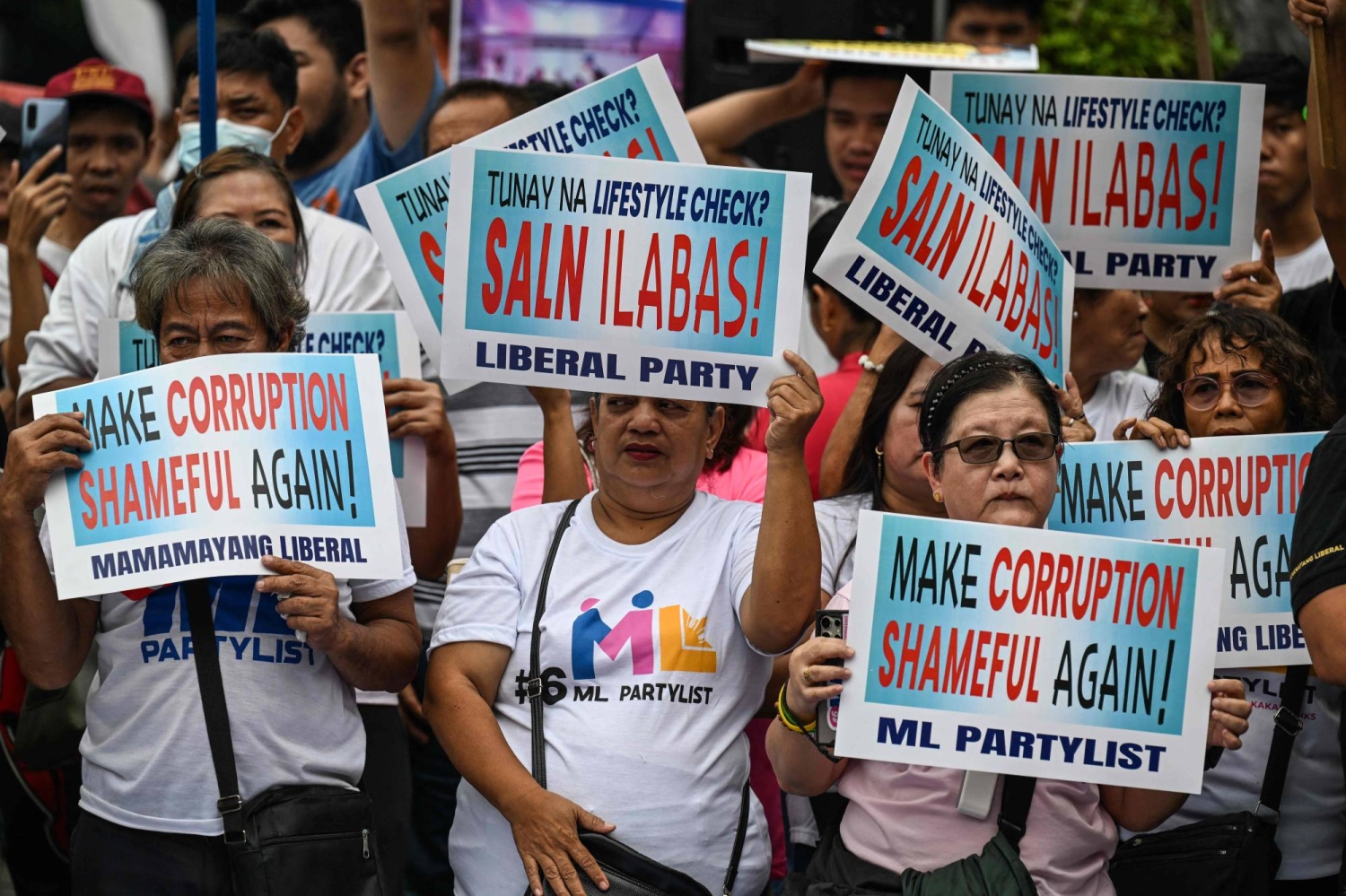
Every time muddy waters swallow Metro Manila streets, the script writes itself. Microphones catch weeping residents, headline writers reach for terms involving stolen funds, and the public points an angry finger at ghost projects and pocketed public works budgets. It feels good to blame human greed. It gives a clean villain to a messy tragedy.
It is also completely wrong, or at least dangerously incomplete.
I have spent years watching disaster management frameworks fail across Southeast Asia, and every time the floodwaters rise, the analysis sinks to the lowest common denominator. The lazy consensus is that if politicians simply stopped stealing, the floods would vanish.
That theory collapses under basic hydrology and urban reality.
The Arithmetic of Sinking Land
Let us look at the actual physics instead of political theater. Manila is not just dealing with rain. It is dealing with a geological freefall.
Decades of unchecked groundwater extraction have caused parts of the capital region to subside by several centimeters every single year. When the ground sinks faster than sea levels rise, gravity stops cooperating with your drainage systems. You can pour billions of pesos into concrete canal linings, install state-of-the-art pumping stations, and audit every single contractor in the district. None of that stops land subsidence.
If you pump water out of an aquifer faster than monsoon rains can replenish it, the earth compacts. When the earth compacts, low-lying coastal mega-cities drop below high-tide levels. At that point, high tide alone is enough to cause street flooding, regardless of how much rain fell upstream.
Blaming corruption for this phenomenon is an emotional comfort blanket. It lets us ignore the brutal fact that our urban planning model is fundamentally incompatible with geography.
The Maintenance Myth
Another favorite talking point of the outrage machine is the "substandard infrastructure" argument. We hear endless complaints about thin asphalt, cracking seawalls, and drainage pipes that clog up the moment a tropical storm makes landfall.
Here is where my experience in large-scale infrastructure deployment tells a different story. I have seen multi-million-dollar drainage projects fail not because the cement was watered down, but because of a total institutional failure in post-construction maintenance culture.
Everyone wants to cut the ribbon on a new flood-control gate. Nobody wants to fund the boring, unglamorous work of dredging silt traps every month, clearing illegal squatter settlements blocking outfall channels, or maintaining diesel generators for pump stations.
When a pump station fails during a midnight deluge, the public screams about kickbacks. Often, the reality is far more mundane and frustrating: a municipal budget that allocates zero pesos for preventative maintenance because elected officials prefer visible, new construction that buys votes over invisible upkeep that saves lives.
Corruption exists, obviously. Public funds leak in every jurisdiction on earth. But attributing every weather-induced catastrophe to stolen money lets engineering incompetence, poor municipal zoning, and garbage disposal habits off the hook.
The Solid Waste Catastrophe
Walk down any estero in Manila during the dry season and you will find your true primary culprit. It is not a bank account in a tax haven. It is millions of single-use plastic sachets, discarded mattresses, and household refuse choking every cubic meter of natural waterways.
You can build a drainage canal the size of a highway. If the local population uses it as an open-air landfill, water has nowhere to go.
Municipal authorities fail to enforce waste management laws, and informal settlements proliferate along riverbanks because housing policy has failed for half a century. When a typhoon hits, these clogged arteries back up instantly. The water rises not because the canal was built too narrow on paper, but because it is currently packed solid with consumer waste.
Fixing the drainage requires more than an anti-corruption commission. It requires forced resettlement, aggressive garbage collection infrastructure in informal sectors, and cultural shifts in how a population treats its watersheds. None of those things fit neatly into a viral social media post.
Stop Waiting For A Clean Government To Save Your Living Room
If your disaster preparedness strategy relies on politicians suddenly becoming honest, your house is going to flood again next rainy season.
Accepting the limits of government intervention is the first step toward actual survival. Decentralize your expectations. Neighborhoods that survive recurrent deluges are those that build community-led early warning systems, elevate critical electrical infrastructure independently, and stop waiting for municipal rescue boats that get bottlenecked in traffic.
The next time the skies open up and the water starts creeping toward your doorstep, save your breath for moving your valuables to the second floor instead of cursing the national budget. The rain does not care who is in office.