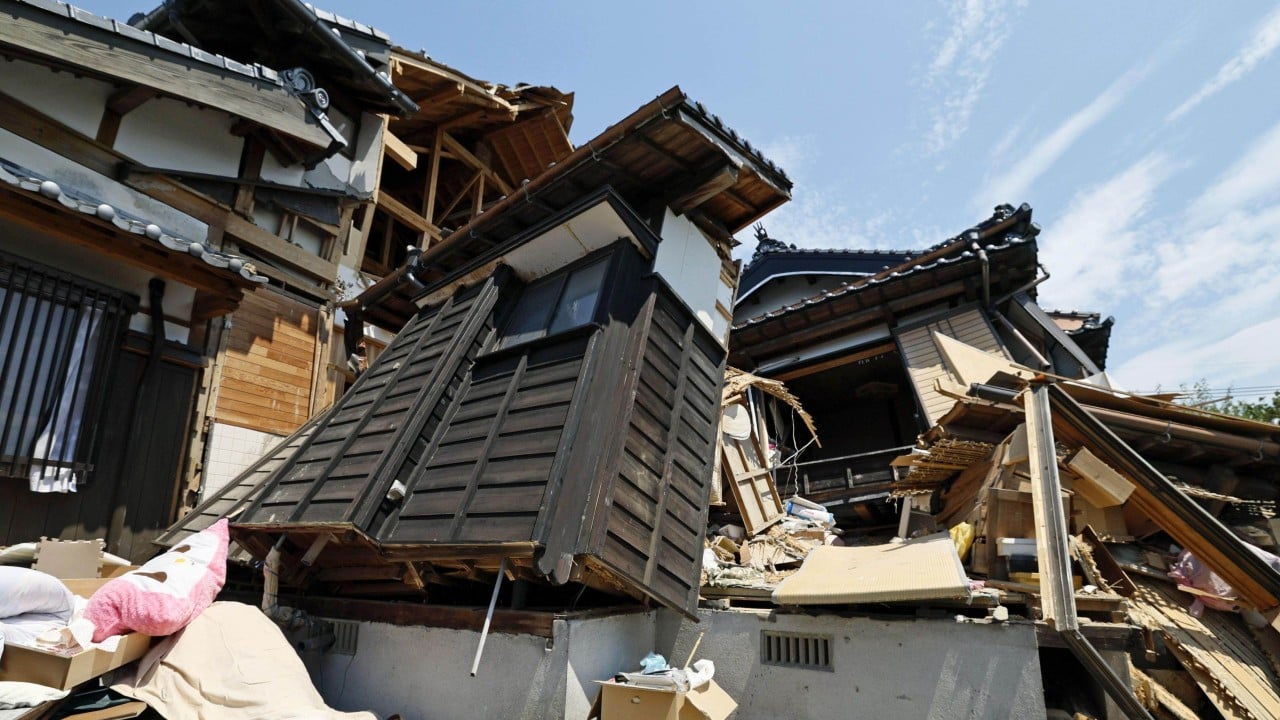
Every time the earth shakes and concrete turns to dust, the media drops into a predictable script. Cameras zoom in on shattered storefronts, anchors lower their voices into somber frequencies, and the narrative locks onto a single, comforting villain: the opportunist. We get the breathless reports of fake troops patrolling Kumamoto, of badge-wearing ghouls picking the bones of earthquake victims while the rubble is still warm.
It makes for good television. It triggers our most primitive tribal revulsion. And it is a completely lazy misdiagnosis of why society actually fractures under pressure. Building on this topic, you can find more in: The Structural Mechanics of State Detention and Medical Leverage in Pakistan.
I have spent decades watching institutional emergency responses implode from the inside. I have stood in command centers where planners map out logistics as if human behavior operates on a spreadsheet, and I have watched those exact plans dissolve the second a Richter scale ticks past seven.
The standard commentary wants you to believe that disaster zones are crawling with sociopaths waiting for the power to cut out so they can steal a flat-screen television. The reality is far more uncomfortable. When order collapses, the primary threat is almost never the cartoonish criminal element. The real danger is the systemic vacuum left behind by authorities who are far more interested in managing optics than managing reality. Experts at The Guardian have provided expertise on this situation.
The Myth Of The Social Carnivore
Let us strip away the moral panic and look at the actual data of human catastrophe. Criminologists and disaster sociologists like Enrico Quarantelli spent decades documenting what actually happens when disaster strikes. The overwhelming consensus of empirical field research points to a stark truth: crime rates usually drop immediately following a major disaster.
People do not instantly devolve into Lord of the Flies extras. The initial wave of human response is hyper-cooperative. Neighbors dig neighbors out of the concrete. Strangers share water.
So where do the stories of widespread looting and predatory imposters come from?
They are born from a panic-industrial complex. When communication lines snap and central control evaporates, information moves through rumor networks. A desperate search for baby formula or medical supplies gets reinterpreted by stressed witnesses as an organized raid. Authorities, terrified of losing their grip on the narrative, lean into the language of criminality because policing a threat feels actionable, whereas managing a systemic failure of infrastructure does not.
When reports surface of individuals impersonating military personnel to exploit disaster zones in Kumamoto or anywhere else, the knee-jerk public demand is heavier policing, harsher penalties, and a crackdown on movement. This is precisely backward.
The Structural Failure Beneath The Uniform
Imagine a scenario where a major tremor levels a prefecture's municipal offices, destroying the local records, trapping the police force under their own collapsing precinct, and severing the supply chains for basic caloric intake.
In that vacuum, authority does not vanish; it fragments.
When fake troops appear in a disaster zone, they are symptoms of a profound institutional vacuum. They exploit a system that prioritizes bureaucratic protocol over rapid, decentralized distribution of aid. If citizens cannot access water, medicine, or shelter through official, functioning channels within forty-eight hours, the social contract does not just strain—it snaps.
The presence of looters or fake security personnel is a lagging indicator of a failed relief pipeline. If the state delivers food and safety efficiently, the market for predatory opportunists dries up instantly. No one pays a premium or risks prison for a case of bottled water if bottled water is stacked ten feet high on every street corner courtesy of the civil defense.
Focusing on the bad actor lets the architects of slow disaster off the hook. It is much easier to prosecute a guy in a surplus camouflage jacket than it is to audit why regional stockpiles were located forty miles outside the fault zone in a warehouse with a compromised roof.
Rewriting The Emergency Playbook
If we want to survive the next structural shock, we have to abandon the Victorian fantasy that human beings are naturally savage and require a heavy boot on their neck to stay civil.
We need to flip our operational assumptions upside down.
First, decentralize distribution immediately. Centralized relief depots are logistical bottlenecks that invite corruption, hoarding, and exploitation. Aid needs to be pre-positioned at the neighborhood level, placed directly into the hands of community leaders before the ground shakes. When supplies are abundant and local, the incentive for criminal opportunism evaporates.
Second, stop treating information management as a PR exercise. The primary fuel for predatory behavior during a crisis is uncertainty. When populations are left in the dark about when help is arriving, fear fills the void. Rumors spread, panic buying turns into hoarding, and bad actors find fertile ground for scams and impersonations. Absolute transparency from emergency management agencies—even when the news is grim—stabilizes populations faster than any battalion of riot police.
Third, redefine security. Traditional security frames the civilian population as a potential threat vector that needs to be contained. Real security treats the civilian population as the primary operational asset. Empower locals to secure their own blocks. Trust the collective intelligence of the street.
The next time a disaster hits and the headlines scream about opportunistic thieves and fake soldiers, remember what you are actually looking at. You are not watching the collapse of human morality. You are watching the friction of a broken system trying to blame its own malfunction on the people it was built to protect.
Stop policing the symptoms. Fix the pipes.