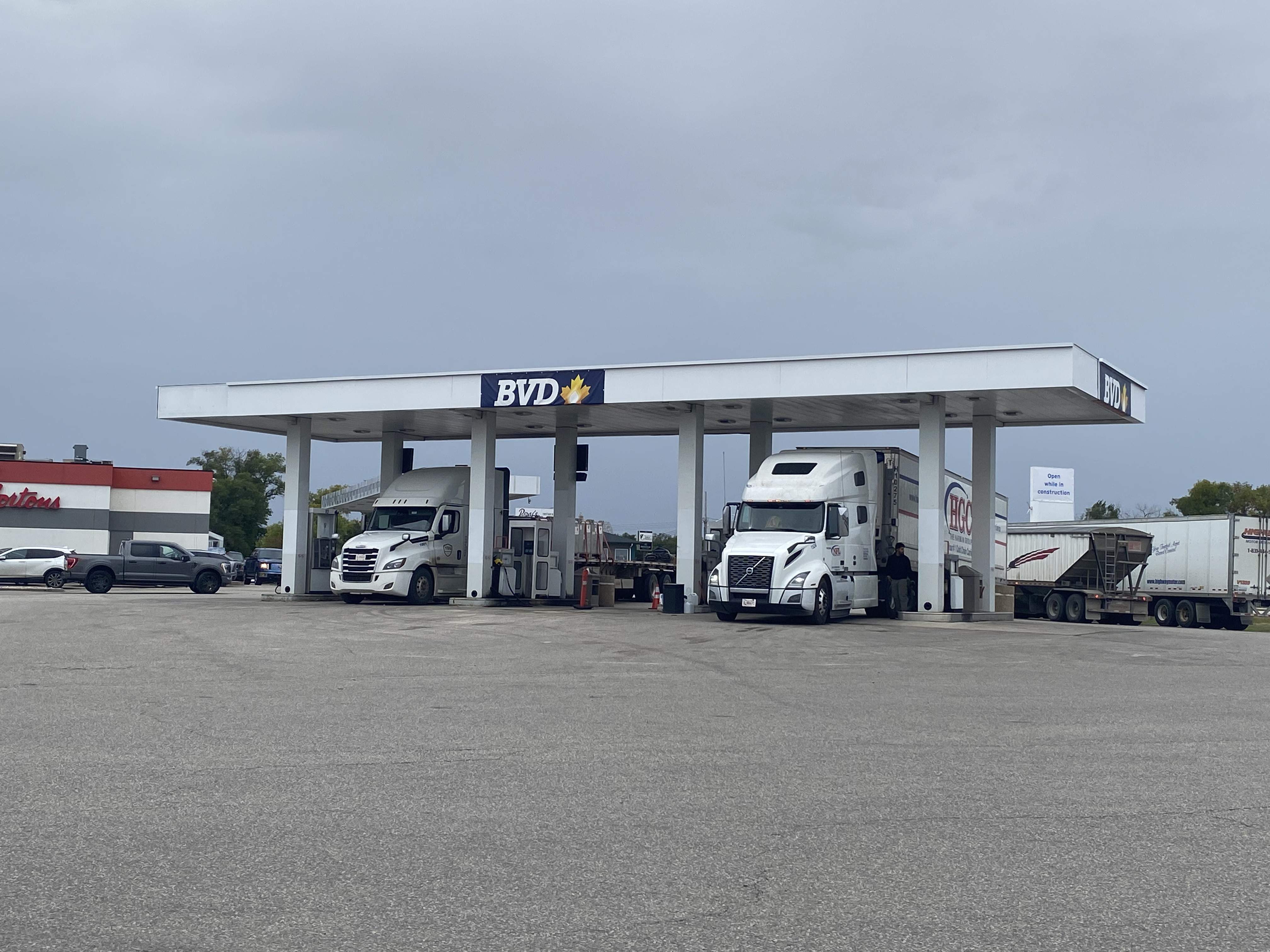
Every time fuel spikes, the media machine crawls out of the woodwork to peddle the exact same tired narrative. Headlines scream that skyrocketing diesel prices in places like Manitoba mean consumers are doomed to absorb a crushing wave of retail inflation. Trucking associations go on record to claim that because everything moves on a truck, every penny added to a litre of diesel translates directly into a higher price for a carton of milk or a winter jacket.
It is lazy economic analysis designed for simpletons. And it completely misrepresents how modern supply chains actually absorb and distribute shock.
Stop accepting the trickle-down doom loop. The conventional wisdom that high fuel costs act as a straight-line tax on the end consumer ignores how logistics pricing, corporate margins, and market competition interact in the real world.
The Fallacy Of The Mechanical Pass-Through
The lazy consensus rests on a mechanical assumption: if it costs ten percent more to fuel a transport truck from Winnipeg to Thompson, the cost of the cargo inside that trailer goes up by exactly ten percent.
That is not how commercial freight works.
For-hire and private carriers rely on indexed fuel surcharges, true. But these surcharges fluctuate dynamically against baseline rates that are locked into multi-month or annual contracts. Shippers do not passively swallow every spot-market price swing at the pump. Large retailers operate on tight, pre-negotiated logistics budgets. When diesel spikes due to refining bottlenecks or geopolitical supply strains, the financial friction is frequently absorbed across complex balance sheets rather than being dumped entirely onto the shopper standing at the cash register.
When a logistics coordinator faces a temporary surge in diesel, they look at route density, backhaul optimization, and load consolidation long before they slap an arbitrary markup on consumer goods. If consumer demand is soft, retailers cannot simply pass on higher fuel costs without committing commercial suicide through lost volume. Margins compress. Corporations take the hit, or efficiency gains eliminate the waste. The market forces a correction, yet economic commentators continue to parrot the simplistic line that every blip at the pump is an immediate tax on household groceries.
The Real Variable Is Supply Structural Inertia, Not Retail Panic
Let us look at the actual mechanics of the crisis. Global diesel markets are tight because of structural shifts in refining capacity, shifts in export streams, and geopolitical fissures that have permanently altered where middle distillate travels. Russia's exclusion from western markets and persistent refinery constraints globally created a genuine supply deficit.
When regional prices in Manitoba push past historical ceilings, it is a symptom of a global refining mismatch, not a localized conspiracy to fleece weekend drivers.
Yet, local reporting treats every price record as an isolated tragedy for the average citizen. Farmers are told they cannot pass on their high input costs because global commodity markets set the price of a crop. True. But pretending that this creates a uniform apocalypse ignores the hedging strategies, forward contracts, and equipment efficiencies used by modern agricultural operators. The producers who go under during fuel spikes are invariably those who failed to manage margin risk, not simply those who paid an extra dollar per litre at the local cardlock.
What You Should Do Instead Of Panicking
Stop treating fuel price volatility as an unmanageable weather event. If you run a business dependent on transport, or if you are trying to insulate your personal household budget from macroeconomic noise, stop looking at headline pump prices as your primary economic indicator.
- Audit your supply chain velocity. Fuel inefficiency lives in empty miles and idle time. If transport costs are eating your margins, the culprit is rarely the pump price alone; it is poor route scheduling and low asset utilization.
- Ditch variable spot exposure. Lock in fixed-rate logistics contracts where volume commitments shield you from short-term spot market spikes.
- Ignore the panic cycle. Media outlets love a fuel crisis because it triggers immediate anxiety. Look past the daily percentage changes at the pump and focus on inventory turnover and demand elasticity.
The next time an analyst claims that expensive diesel is about to price you out of existence, remember that markets adapt, contracts absorb friction, and the doom-mongers are usually just recycling last year's script.


