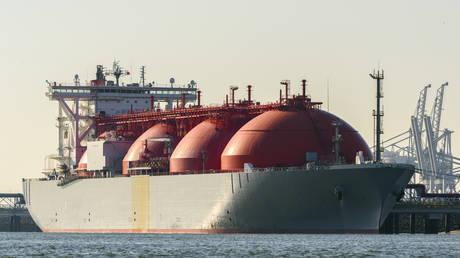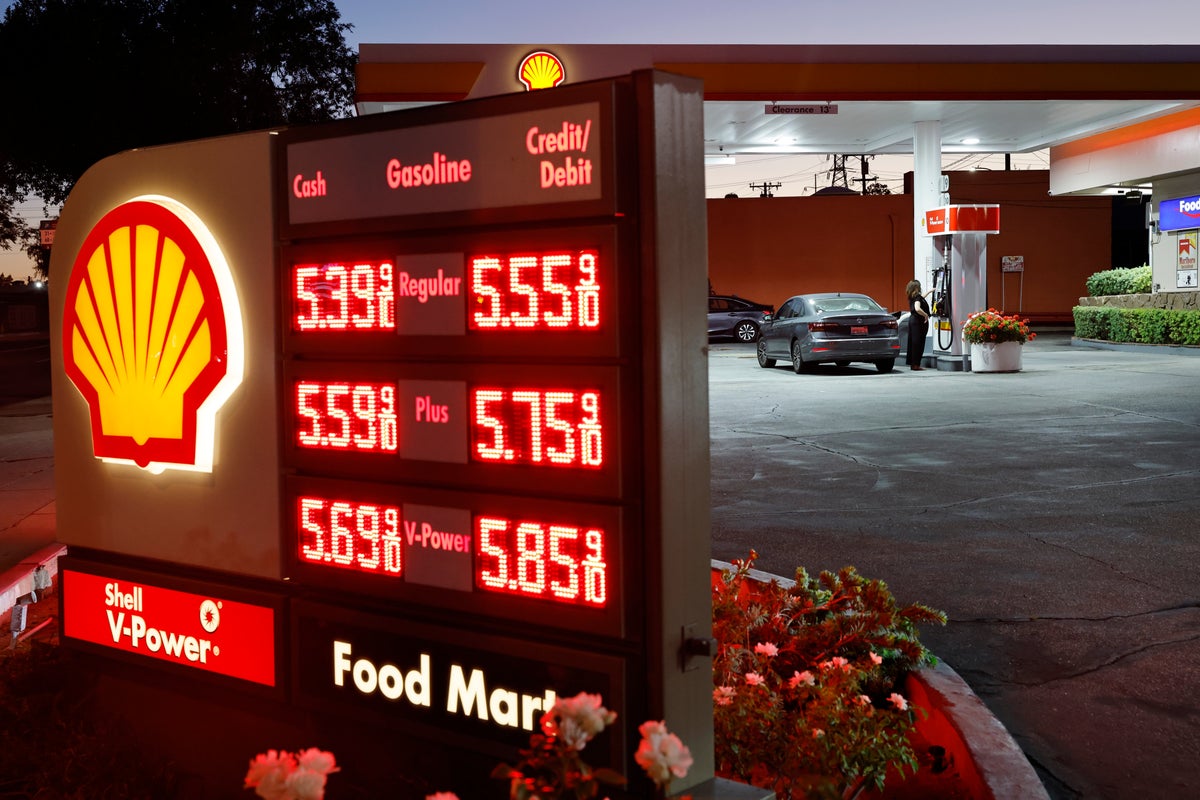
Every time crude spikes and voters start screaming at the pump, Washington reaches for the exact same tired script. The White House waves its hands, points a finger at a century-old maritime protection law, and declares that suspending domestic shipping rules will magically cure high fuel costs. It is a comforting political narrative designed for television segments, and it is entirely detached from economic reality.
Let us clear up the lazy consensus immediately: the Merchant Marine Act of 1920, commonly known as the Jones Act, requires that cargo moved between domestic ports travel on vessels that are U.S.-built, U.S.-owned, and U.S.-crewed. Critics love to claim that this protectionist bottleneck is the primary driver of high gasoline prices. They argue that letting foreign-flagged tankers shuttle fuel from Gulf Coast refiners to the East Coast will flood the market with cheap petroleum.
They are wrong. I have watched policymakers chase this ghost for decades, throwing administrative tantrums while ignoring the actual plumbing of global energy markets.
The Math Doesn't Care About Your Politics
Let us look at the verifiable data rather than campaign talking points. When the administration first issued its sweeping waivers, allowing foreign vessels to enter the domestic trade lanes, what actually happened to the price at your local station? Virtually nothing. Research from independent policy groups like the Center for American Progress estimated that lifting these restrictions might shave a meager three cents off a gallon in isolated coastal pockets, while potentially creating logistical friction elsewhere.
Three cents. That is the grand reward for blowing a hole in domestic industrial policy.
Gasoline prices are dictated by global crude benchmarks, refinery margins, geopolitical shocks like the conflict in the Middle East, and domestic refining capacity constraints. They are not dictated by whether the steel hull of an oil tanker was welded in Louisiana or South Korea. The pool of available global tankers that can instantly pivot to domestic U.S. routes is remarkably small, and international shipping rates are high. Dragging a foreign tanker across oceans does not magically create fuel that refineries never produced.
The Real Cost of the Waiver Illusion
Pretending that the Jones Act is the villain allows politicians to dodge real structural challenges. Refineries are running near capacity, margins are tightly managed by multinational energy giants, and global crude supply is battered by actual warfare and supply chain disruptions.
When the White House extends these waivers yet again, framing it as a bold populist strike against high prices, they are engaging in theater. They are sacrificing America's long-term maritime industrial base for a short-term public relations Band-Aid.
Imagine a scenario where every domestic shipyard closes down because they cannot compete with heavily subsidized foreign yards operating under lower labor standards. When a major national security crisis erupts and you need a domestic merchant marine fleet to act as a naval auxiliary—which was the exact reason Congress passed the law in 1920—who do you think is going to sail your military fuel supplies across contested oceans? Foreign contractors who can pull their crews at the first sign of danger?
Stop Fighting the Wrong War
If you want lower gas prices, stop obsessing over domestic cabotage laws. Deal with the actual energy bottlenecks. Address refining capacity, streamline the permitting process for domestic energy infrastructure, and stop pretending that a maritime shipping tweak can override the laws of global supply and demand.
The obsession with the Jones Act waiver is a distraction, plain and simple. It offers zero structural relief to drivers while systematically undermining the industrial security of the nation. Stop falling for the bait.
Trump pauses Jones Act to ease rising energy costs
This video provides a firsthand look at the administration's announcement regarding the temporary suspension of maritime shipping laws to combat rising energy costs.
http://googleusercontent.com/youtube_content/1