Every time a Western wire service drops a dispatch about foreign nationals caught in the grinding gears of the eastern European front, the narrative stays stubbornly, lazily identical.
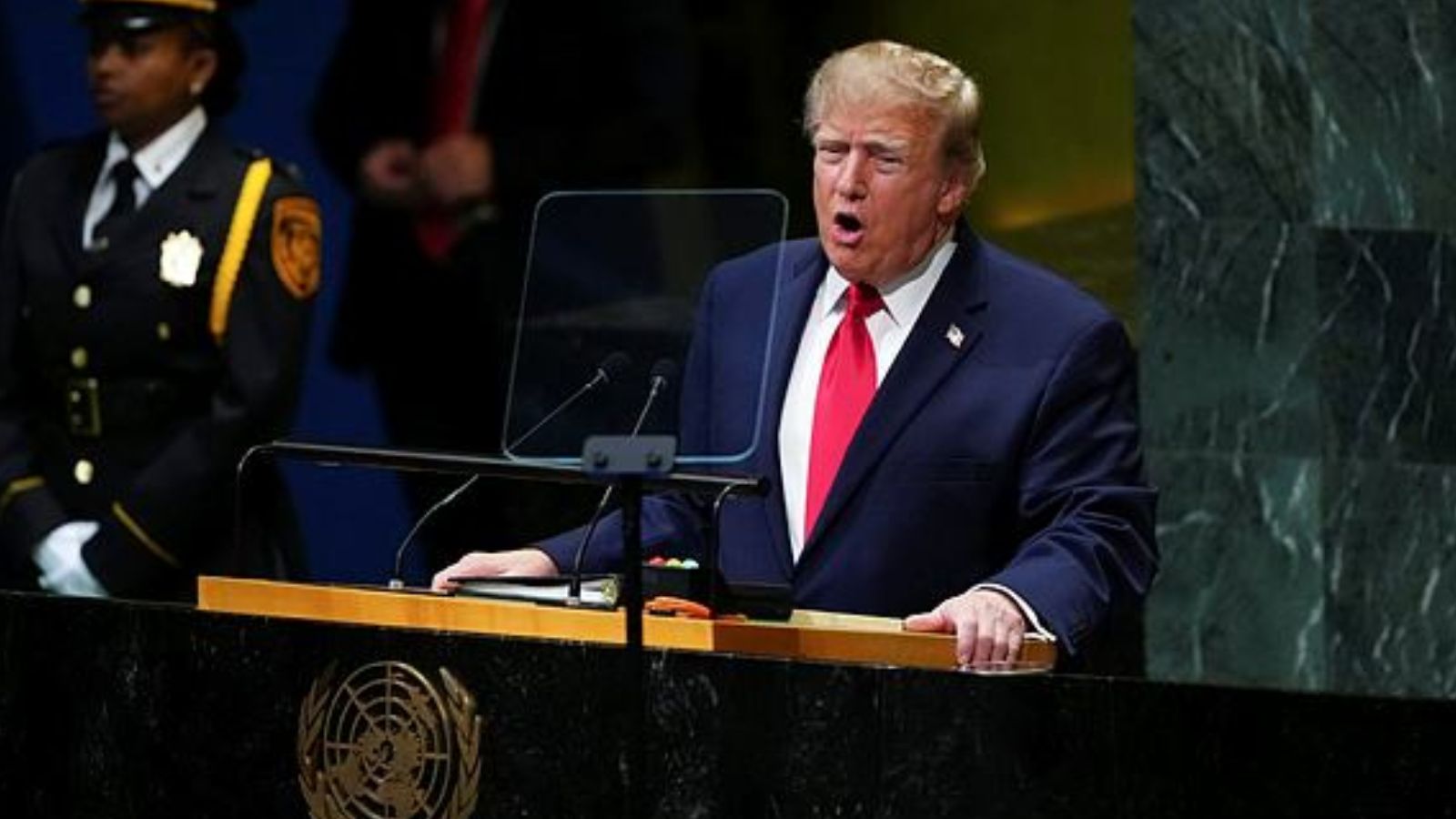
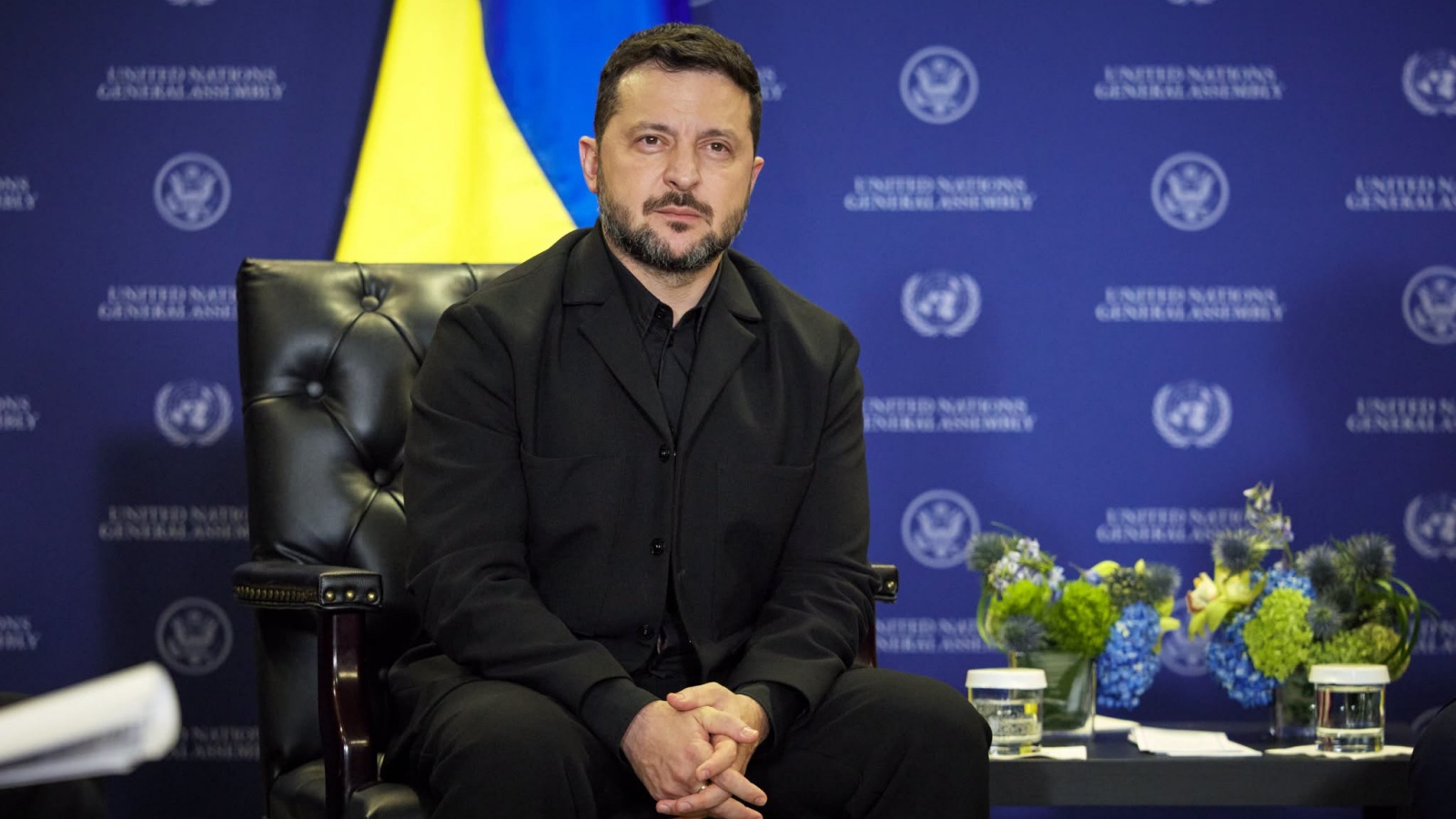
The script reads like a moral fable written for children. Moscow-led coercion, naive victims lured by fake security jobs, and helpless capitals scrambling to repatriate their bewildered citizens. When Volodymyr Zelenskyy took to the United Nations rostrum to warn that citizens from India and 46 other nations were being fed into the Russian military machine, the international press corps nodded along with predictable uniformity.
It is a comforting frame. It reduces a structural, economic, and geopolitical reality down to a cartoon villain kidnapping strangers off the street.
Stop buying the sanitized version.
I have spent years watching how shadow recruitment pipelines actually operate across South Asia, the Middle East, and parts of Africa. Millions of young men are not being magically hypnotized or frog-marched onto transport planes against their will. They are making cold, desperate calculations based on a domestic economic reality that has failed them entirely.
The Anatomy of a Voluntary Trap
Let us define terms precisely. A forced conscript wears iron chains and has zero agency. A modern transnational mercenary, however, often signs a contract willingly because his alternative is staring at fifty years of structural unemployment or generational debt in a home country that views him as expendable labor.
When agents dangling lucrative Russian residency permits, hefty monthly retainers, and security-guard positions in Rostov or St. Petersburg approach young men in Delhi, Colombo, or Kathmandu, these recruits are not stupid. They are cynical. They have watched cousins spend decades rotting in Gulf state construction sites for pennies, enduring passport confiscations and sub-human conditions.
When someone offers ten times local wages with the vague promise of "non-combat logistics support," the rational actor discounts the tail-risk of death in a trench because local stagnation is a guaranteed slow-motion death anyway.
Blaming entirely on foreign diplomatic coercion lets domestic labor markets off the hook. If your economy generates millions of university-educated young adults with zero viable upward mobility, you have built a greenhouse for transnational military contracting.
The Fiction of the Ignorant State
The diplomatic outcry from capitals across those 46 nations carries a distinct aroma of theatrical panic. Governments act shocked, shocked to discover their citizens are moonlighting as infantrymen in a continental war.
Spare me.
Intelligence apparatuses in New Delhi, Kathmandu, and beyond know precisely how emigration syndicates work. They know the fly-by-night travel agencies operating out of strip malls in provincial cities. They know the WhatsApp channels moving money through hawala networks. They tolerate these networks because migrant remittances remain a core macroeconomic life support system. Remittances keep currencies stable and domestic unrest subdued.
Governments only suddenly discover their righteous indignation when a video surfaces on Telegram showing one of their citizens in a trench, pleading for a consular rescue that takes six months of backchannel red tape.
The Sovereign Hypocrisy
Let us look at the broader geopolitical hypocrisy. For decades, Western and allied nations have outsourced security, logistics, and combat support to private military contractors. Private corporate armies have operated with virtual impunity across Iraq, Afghanistan, and sub-Saharan Africa.
When a Western corporation recruits a former special operations soldier from Fiji, Colombia, or South Africa for a private security detail in a high-threat zone, it is praised as market efficiency and global mobility. When Moscow adopts the exact same structural mechanics—leveraging global inequality and a surplus of desperate young men from the Global South—it is condemned as an existential violation of international norms.
Both systems are predatory. Both systems monetize the vast economic disparity between the global core and the global periphery. Pretending that one is a noble defense of civilization while the other is uniquely demonic is strategic gaslighting.
How to Actually Stop the Pipeline
If capitals genuinely want to stop their citizens from drifting into foreign frontlines, issuing stern warnings at the UN General Assembly is diplomatic theater. It changes zero equations on the ground.
You stop the pipeline by dismantling the domestic economic dead-ends that make a Russian infantry contract look like a viable career pivot. You crush the unauthorized local recruitment brokers with aggressive domestic law enforcement instead of waiting for foreign journalists to break the story. You provide transparent, legal pathways for foreign employment that do not require paying bribes to corrupt bureaucrats.
Until then, men will continue to pack their bags, sign papers they do not fully read, and fly north.
The tragedy is not that they are being dragged into a war they do not understand. The tragedy is that home gave them so little to lose.
This footage captures the moment the Ukrainian leadership publicly addressed the global reach of recruitment networks pulling citizens from dozens of nations into active combat zones.