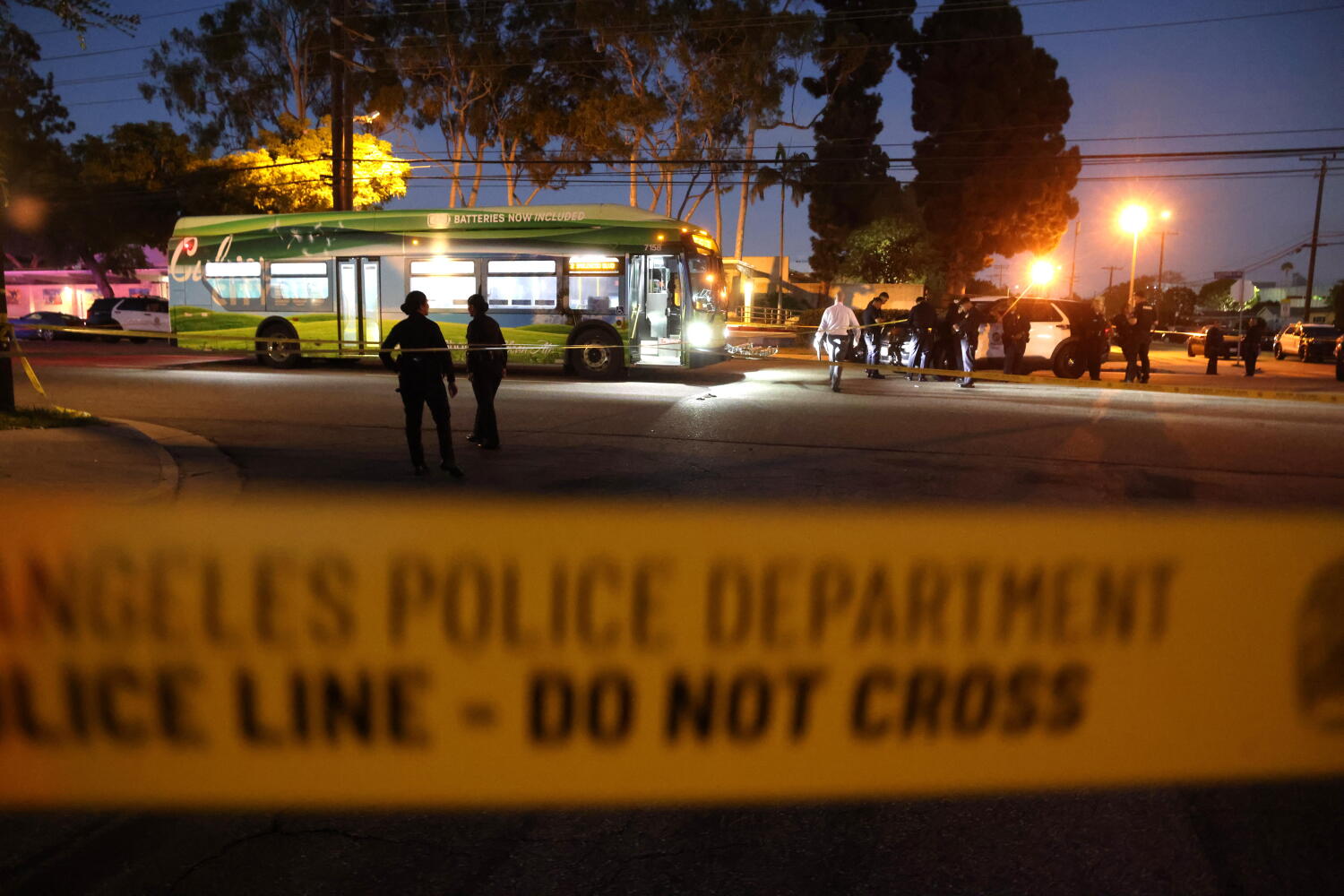
Every time violence strikes public transit, the knee-jerk media machine spins into a predictable, exhausted gear. We get wall-to-wall coverage of the suspect, frantic editorials about metal detectors, and breathless hand-wringing from municipal bureaucrats promising more police presence on the platform. The narrative is always tidy. One bad actor commits an atrocity, the system catches them, and we pretend the crisis is solved the second handcuffs click onto wrists.
It is a comforting illusion. It lets transit agencies dodge the structural rot rotting their operations from the inside out. For a different view, check out: this related article.
Focusing entirely on the individual who pulled the trigger in the recent Culver CityBus tragedy ignores the systemic failure that allowed a routine transit shift to become a lethal trap. When a driver is murdered on a municipal bus, treating it exclusively as a criminal justice anomaly misses the entire point of modern urban infrastructure breakdown.
The Myth of the Hardened Perimeter
The standard municipal playbook following any violent incident on transit lines is straightforward security theater. Transit boards call emergency meetings, allocate emergency funds for panic buttons, and talk about installing physical barriers between drivers and passengers. Related analysis on this trend has been shared by Associated Press.
I have watched transit authorities burn millions of dollars on high-tech deterrents while ignoring the basic operational decay turning their networks into volatile environments.
Placing a plexiglass shield around a bus driver does not fix a broken workplace culture. It does not address chronic driver shortages that leave operators exhausted, isolated, and running double shifts. It treats the symptom while letting the underlying disease spread unchecked. When you run a skeleton crew under brutal conditions, response times drop, situational awareness vanishes, and the margin for error shrinks to zero.
The lazy consensus is that public transit is dangerous because bad people ride it. The uncomfortable truth is that public transit is dangerous because cities treat it as a dumping ground for social policy failures, refusing to fund the actual operational safety nets required to keep frontline workers alive.
The Economics of Operational Neglect
Let us look at how transit agencies actually allocate capital. Billions flow into capital expansion projects, flashy new zero-emission fleets, and rebranding campaigns designed to lure choice riders back to the system. Yet, basic workforce protection and security infrastructure remain chronically underfunded.
When agencies cut corners on staffing, training, and real-time communication protocols, they pass the risk directly down to the worker behind the wheel. A driver dealing with fare evasion disputes, erratic behavior, and overcrowded routes with zero backup is set up to fail.
Blaming the suspect is easy because it requires zero institutional accountability. It frames a systemic institutional failure as a random act of malevolence.
If we want to stop drivers from being killed on the job, we have to stop treating transit safety as an afterthought managed by PR teams pushing reactive talking phrases. We need to overhaul dispatcher response protocols, establish direct, low-latency communication channels between operators and law enforcement that bypass bureaucratic red tape, and staff every route with enough operational oversight to deter volatility before it escalates to lethal force.
Until transit leadership stops hiding behind the narrative of the lone bad actor, every driver stepping onto a morning shift remains a casualty waiting to happen.