Every time a major health system and an insurance provider hit a wall during contract negotiations, the predictable outrage machine grinds into motion. The headlines write themselves. Low patients stranded. Vulnerable populations abandoned. Greedy executives locking boardroom doors while sick people pay the price. It makes for fantastic local news. It also completely misunderstands how healthcare financing actually operates in the real world.
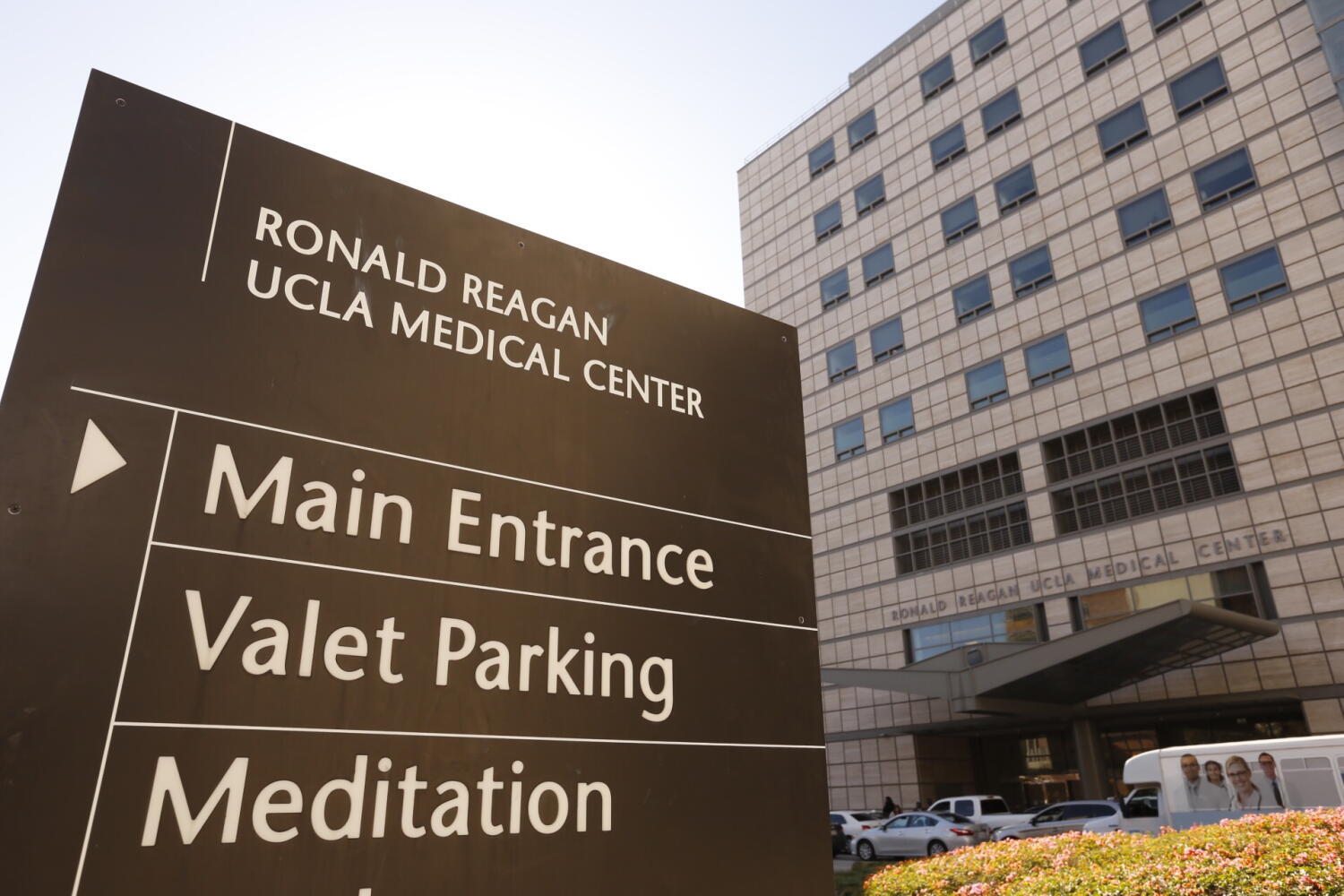
I have spent years watching the financial plumbing of modern medicine break down from the inside. I have seen mid-sized clinics fold because a single commercial payer decided to slash outpatient reimbursement rates by twelve percent overnight. When a brand like UCLA Health reaches an impasse with an insurer, the lazy consensus is to point the finger entirely at the provider, assuming a monolith of elite medicine is simply turning its back on the community for higher margins.
That narrative is dangerously naive.
To understand why patients scramble when these contracts rupture, you have to look past the emotional press releases and examine the structural incentives driving American healthcare off a cliff. The problem is not that academic medical centers suddenly grew a sadistic streak. The problem is that the third-party payment model is fundamentally broken, and keeping bad contracts alive only accelerates the total collapse of regional care access.
The Myth of the Charitable Payer
When an insurance carrier walks away from a negotiating table, they market themselves as the protector of the consumer. They argue that accepting a provider's rate hikes will directly inflate monthly premiums for everyday families. On paper, that sounds reasonable. In practice, it is a masterclass in deflection.
Insurers rake in billions in record profits while systematically narrowing networks under the guise of affordability. When they refuse to cover academic medical centers at rates that reflect actual operational costs, they are not passing savings down to the working class. They are protecting loss ratios and shareholder returns.
UCLA Health is not a boutique concierge clinic for billionaires. It is a massive, high-acuity safety net handling complex oncology, rare pediatric disorders, and multi-organ transplants that community hospitals literally cannot touch. Expecting a tertiary care powerhouse to absorb escalating labor costs, skyrocketing pharmaceutical overhead, and inflation on surgical supplies while freezing reimbursement rates is an economic fantasy.
If an insurer refuses to pay what it costs to keep an advanced medical engine running, keeping that contract active is a slow-motion suicide pact for the hospital. Walking away is often the only remaining lever to prevent insolvency.
Why Narrow Networks Target the Most Vulnerable
The real tragedy of these contract disputes is not that they happen. It is that they disproportionately destabilize the exact populations who rely on integrated care delivery systems.
Low-income patients navigating Medi-Cal managed care or underwritten commercial plans find themselves trapped in a game of administrative ping-pong. They are told their trusted specialist is suddenly out-of-network, forcing them to restart authorization processes, transfer medical records across hostile electronic health record silos, and rebuild therapeutic relationships from scratch.
Yet, directing pure anger at the hospital system ignores the structural flaw of managed care: tiered access. We have built a two-tiered system where low-income and working-class patients are funneled into narrow networks designed to restrict utilization rather than optimize health outcomes. When an insurer plays hardball with a major provider, they know the wealthy can pay out-of-pocket or switch plans, while the vulnerable bear the brunt of the friction.
The system relies on your outrage stopping at the surface level. It wants you to view healthcare delivery through a moral lens of good guys versus bad guys, ignoring the actuarial math dictating every single move.
The Economics of Academic Medicine
Let us demystify the balance sheet of an academic health system. People assume that because a hospital charges seventy dollars for a box of tissues, it is swimming in liquid cash.
Academic medical centers carry a unique financial burden that commercial community hospitals never touch. They subsidize medical education, fund grueling clinical research, and operate 24/7 trauma bays that bleed money on every uninsured patient who walks through the doors. These missions are expensive. They require cross-subsidization from specialty care margins.
When a commercial insurer demands flat or reduced rates year over year, they are threatening the very revenue streams that subsidize the emergency room down the hall.
Imagine a scenario where a hospital yields to pressure and signs a below-cost contract just to keep patient panels intact. Within twenty-four months, deferred equipment upgrades turn into obsolete imaging technology. Nurse-to-patient ratios stretch to dangerous limits to cut labor overhead. Specialized clinics for rare diseases quietly shutter their doors because they operate in the red.
The short-term comfort of keeping a contract alive creates a long-term catastrophe for healthcare quality.
What You Should Do When Your Network Drops
If you find yourself caught in the fallout of a provider-insurer divorce, stop panicking and stop waiting for corporate public relations departments to save you. The traditional advice of calling customer service and hoping for a sympathetic representative is a waste of precious time.
You need to execute a tactical pivot immediately.
First, request your complete medical history in digital format today. Do not rely on your providers to transfer files seamlessly across competing networks. Own your data.
Second, if you are undergoing active, specialized treatment for a chronic or terminal condition, invoke your state's continuity of care protections immediately. Most states legally require insurers to authorize continued coverage with an out-of-network provider for a transitional period—typically thirty to ninety days—to prevent disruption in critical treatment plans. Insurers rarely advertise this right. You have to demand it in writing.
Third, look past local hospital systems entirely if the impasse drags on. Federally Qualified Health Centers and county facilities often possess robust sliding-scale programs and direct referral pipelines to specialists who operate outside the commercial insurance chokehold.
The Inconvenient Reality
The outrage over dropped contracts is misplaced because it treats a symptom while ignoring the disease.
As long as healthcare delivery is chained to a profit-driven insurance apparatus that weaponizes network exclusion, these standoffs will repeat. UCLA Health dropping an insurer, or an insurer cutting ties with a hospital group, is merely a symptom of a collapsing architecture.
Stop asking how to fix the contract. The contract is already dead.
Fix the system that makes healthcare a luxury good negotiated behind closed doors while patients serve as collateral damage. Until we dismantle third-party interference and align payment directly with patient health outcomes, we will keep scrambling for doctors while the architects of the crisis count their premiums.