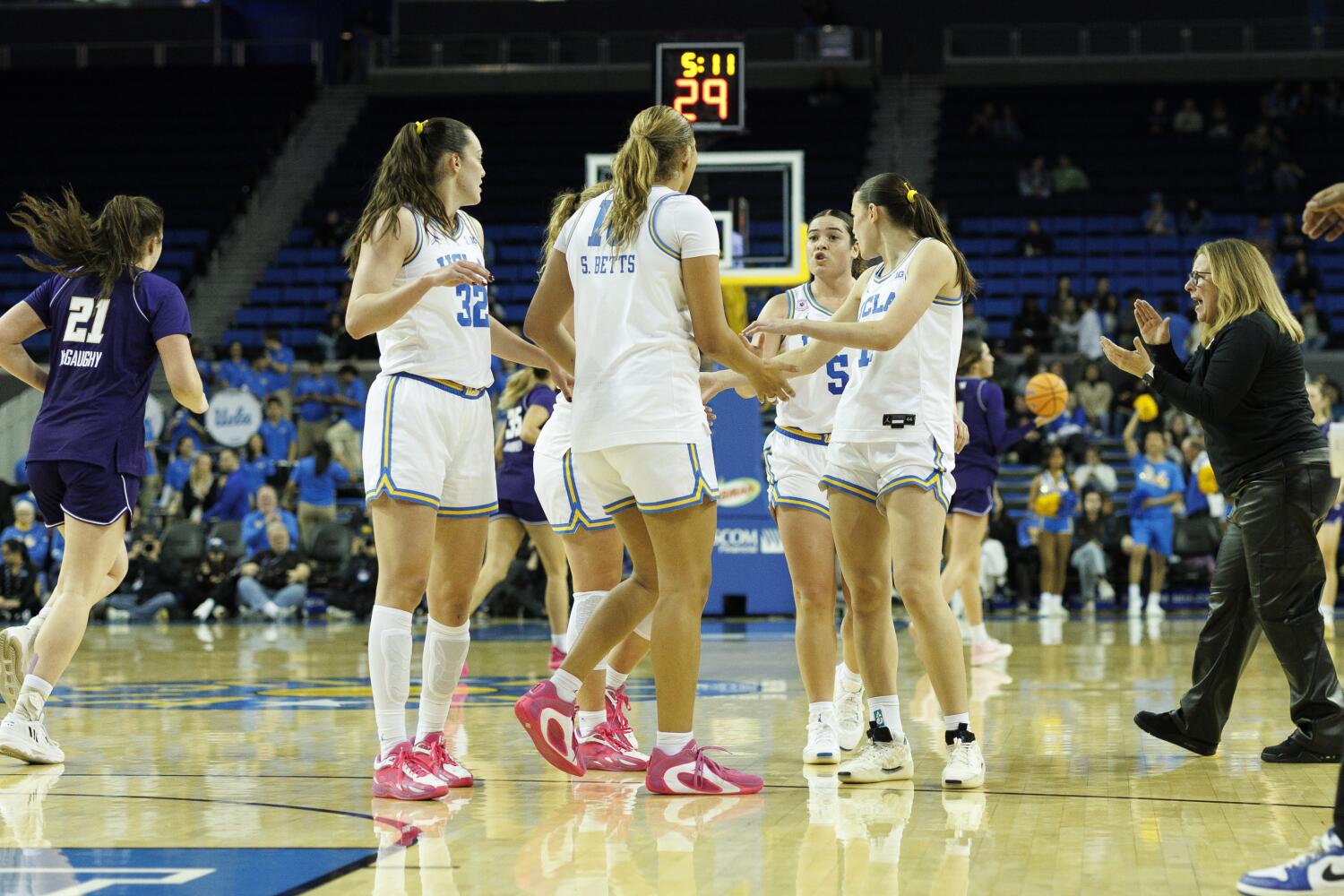
The modern era of women’s college basketball is often defined by a few loud voices and viral highlights. While the national conversation fixates on a handful of superstars and their NIL valuations, Cori Close has been quietly engineering a different kind of machine at UCLA. It is not just about winning games. It is about an institutional obsession with a culture that balances elite athletic performance with a specific, rigid brand of character development. This is the story of how a program transitioned from a perennial contender into a structural powerhouse that rivals the blue bloods of the sport.
To understand the rise of the Bruins, you have to look past the box scores and examine the architecture of the program. Close took over in 2011, inheriting a team with history but lacking a modern identity. She didn’t just recruit players; she recruited a philosophy. That philosophy is now paying dividends in an era where the transfer portal and immediate gratification usually dictate the terms of engagement. UCLA has managed to stay relevant by doubling down on a long-term developmental model that many critics thought was dead. Also making news recently: The Mohamed Salah Decision Matrix Liverpools Financial and Sporting Equilibrium.
The Recruitment of the Human Element
The standard recruiting pitch usually involves flashy facilities and the promise of professional pathways. UCLA has both, but they aren't the primary selling points. Instead, the coaching staff focuses on a psychological screening process that is notoriously grueling. They look for "energy givers" over "energy takers," a distinction that sounds like corporate jargon until you see it manifest on the court during a defensive rotation in the fourth quarter.
This selectivity has allowed UCLA to build a roster that doesn't fracture under the weight of high expectations. While other programs deal with locker room friction caused by the uneven distribution of NIL money, the Bruins have established a baseline of collective accountability. It is a high-risk strategy. By being picky, you occasionally miss out on the five-star talent that wants a quicker, easier path. However, the result is a locker room that functions as a single unit rather than a collection of individual brands. More details regarding the matter are detailed by Yahoo Sports.
The depth of this roster is its greatest weapon. In the current season, we see a rotation that doesn't drop off when the starters hit the bench. This is a deliberate byproduct of a "next woman up" mentality that is drilled into the players from day one. It creates a competitive environment during practice that is often more intense than the actual games. If you can survive a Tuesday afternoon in the Mo Ostin Basketball Center, a road game in a hostile arena feels like a relief.
The Tactical Evolution of Cori Close
For years, the knock on Close was that she was an elite recruiter who struggled with late-game tactical adjustments. That narrative has shifted. The Bruins now run a sophisticated offensive system that prioritizes spacing and high-percentage looks, moving away from the hero-ball that often plagues talented teams. They have integrated data analytics into their scouting reports with a level of precision that mirrors an NBA front office.
Defensive Identity as a Foundation
UCLA wins because they make the other team miserable. Their defensive scheme is built on a high-pressure man-to-man look that forces opponents out of their comfort zones. They don't just react to what the offense does; they dictate where the ball goes. This requires an immense amount of physical conditioning and mental discipline. You cannot play this way if you are out of shape or if you lose focus for even a single possession.
The numbers back this up. UCLA consistently ranks near the top of the country in defensive efficiency and rebounding margin. They treat every missed shot as an opportunity to initiate a break, turning defense into offense before the opponent can even set their transition defense. It is a relentless, suffocating style of play that wears teams down over forty minutes.
Navigating the NIL and Transfer Portal Minefield
The landscape of college sports changed overnight with the introduction of Name, Image, and Likeness (NIL) rights. For many coaches, this was a crisis. For Close, it was an opportunity to prove the strength of the UCLA brand. The school sits in the heart of Los Angeles, the entertainment capital of the world. The opportunities for players to build their personal brands are limitless, but the program manages this carefully.
They don't lead with the money. They lead with the education and the network. A degree from UCLA carries a specific weight, especially in a city where connections are the primary currency. By framing NIL as a byproduct of success rather than a guaranteed salary, the program avoids the entitlement trap that has derailed other top-tier teams. They have created a system where the players who work the hardest and contribute the most to the team’s success naturally see the most off-court opportunities.
The Impact of the Transfer Portal
While some programs use the transfer portal to replace their entire roster every year, UCLA uses it like a scalpel. They identify specific gaps—a veteran point guard to provide leadership or a stretch-four to improve spacing—and they fill them with players who fit the existing culture. They aren't looking for the best player available; they are looking for the best player for their system. This surgical approach prevents the "culture shock" that often occurs when a team tries to integrate too many new personalities at once.
The Burden of the Wooden Legacy
Playing basketball at UCLA means living in the shadow of John Wooden. That is a heavy burden for any athlete or coach. For the women’s program, it means an expectation of excellence that doesn't allow for "rebuilding years." Every season is a championship-or-bust scenario in the eyes of the boosters and the alumni.
Cori Close has embraced this legacy rather than running from it. She frequently references Wooden’s "Pyramid of Success," but she has modernized the application. It isn't just a poster on the wall; it is a living document that informs how they practice, how they travel, and how they interact with the community. This connection to the past gives the program a sense of gravity that younger, "flashier" programs lack. It provides a moral and professional compass in an era of college sports that often feels rudderless.
The Cost of Staying at the Top
This level of excellence comes at a price. The demands placed on these student-athletes are immense. Between 6:00 AM workouts, full course loads at one of the top public universities in the country, and a travel schedule that spans the continent, there is very little room for error. The mental health of the players has become a primary focus for the coaching staff, acknowledging that the pressure to perform can be overwhelming.
The program has invested heavily in support staff, including sports psychologists and nutritionists, to ensure that the players have the tools they need to handle the grind. This is the "how" behind the "why." You don't get this kind of consistency by accident. You get it by building a support system that is as elite as the talent on the floor.
Why This Matters Beyond Basketball
The success of UCLA women’s basketball is a case study in organizational health. In a world that is increasingly focused on short-term gains and individual metrics, the Bruins are an argument for the power of a shared vision. They are proving that you can win at the highest level without sacrificing your core values.
This isn't just about sports; it's about leadership. Cori Close has built something that will last long after her current stars have moved on to the WNBA. She has created a self-sustaining ecosystem where the older players mentor the younger ones, and the standard of excellence is passed down like an heirloom.
The real test for UCLA isn't whether they can make it to the Final Four. They've shown they can do that. The test is whether they can continue to evolve without losing the soul of what made them great in the first place. In an era of constant flux, that is the hardest play in the book.
Watch the way they move off the ball during the next timeout. Notice the way the bench reacts to a teammate's hustle play, even when they aren't getting the minutes they want. That is where the game is won. Not in the headlines, but in the quiet, disciplined moments that happen when no one is watching.
Stop looking for a secret formula and start looking at the foundation.