Some wounds refuse to close cleanly. They scar over, thick and jagged, mapping a history written by strangers.
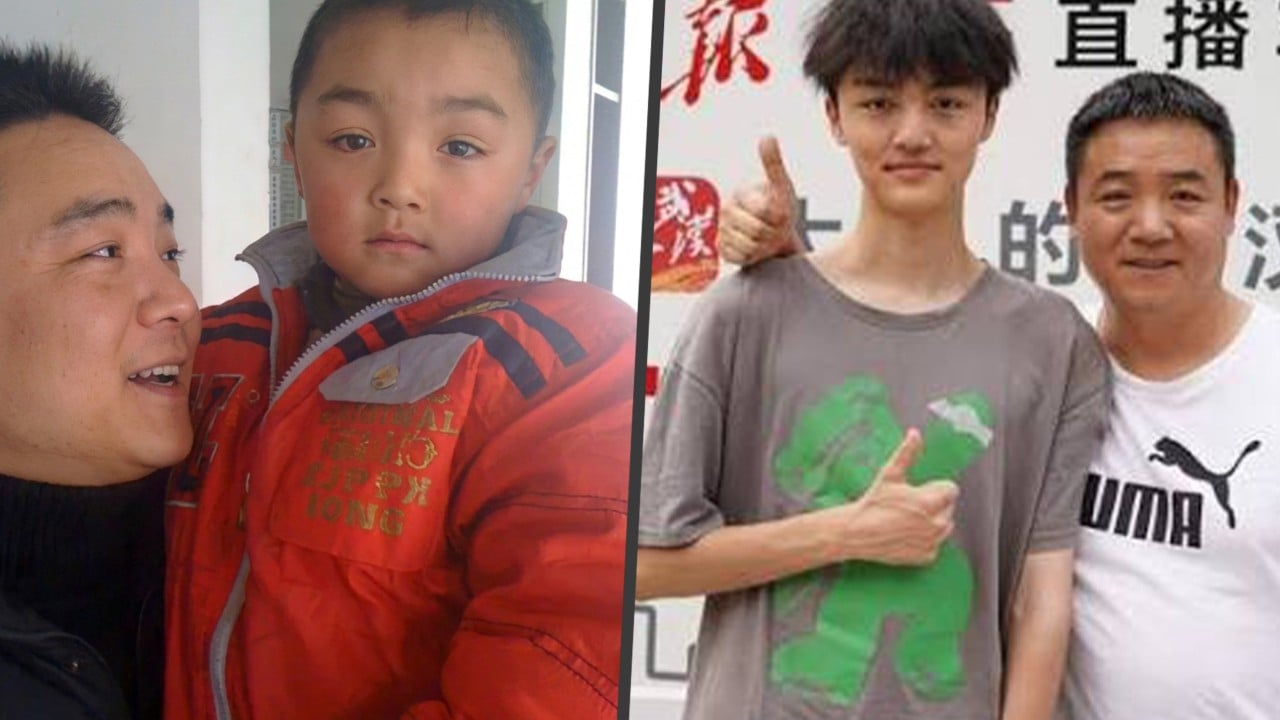
Imagine a photograph taken in the winter of 2001. A toddler sits on a dusty doorstep in a bustling southern Chinese province, his small hands clutching a toy he does not yet understand he will lose. His name is Lei Chenbin, though the world would soon come to know him by a different name, a different life, stitched together from grief and cinematic adaptation. When he was just three years old, a stranger’s calculation erased his identity. He was snatched away from the only warmth he knew, traded like a commodity in the dark underbelly of illegal adoptions, and deposited into a household hundreds of miles away.
For the biological parents, time shattered. The calendar froze on the afternoon the front door was left unattended. Every meal set out for an empty chair was a silent plea. Every knock at the door brought a surge of cruel, false hope. This is the architecture of child trafficking. It is not merely a crime of property; it is an ongoing kidnapping of a family's future, a slow-bleed catastrophe that defies the neat resolutions of television dramas.
Years later, that private agony bled onto the silver screen. A blockbuster film, Dearest, directed by Peter Chan, immortalized the harrowing search for abducted children in China. It dragged the nightmare into the harsh glare of public cinemas. Audiences wept. The cultural consciousness stirred. But long after the popcorn was swept from sticky theater floors and the box office tallies became ancient history, the actual boy behind the myth was still growing up in a fractured reality.
Then came the reunion.
DNA databases, state-backed facial recognition, and tireless volunteer networks did what police work alone could not do for decades. The walls of silence built by illegal brokers began to crumble. In 2021, two decades after that afternoon on the doorstep, Lei Chenbin stood face-to-face with the people who had never stopped screaming his name into the void.
DNA matched. Tears fell. Flashbulbs popped.
The media loves a reunion. The media eats the initial shock, digests the emotional hug, and then moves on to the next breaking headline, leaving the human subjects to figure out how to rebuild a life from the ashes of twenty lost years. Society assumes the story ends when the credits roll. He's home. Case closed. Happy ever after.
Real life refuses to cooperate with such tidy scripts.
Consider what happens next: The boy who was stolen at three returns to a family that is simultaneously familiar and entirely foreign. He has accents he didn't grow up with. He has memories of parents who raised him—the adoptive family—entangled with the guilt of loving people who benefited from a crime. The psychological toll is immense. How do you integrate two distinct pasts into a single, functioning human being? How do you look at a mirror and know which reflection is the true one?
Many would fold under the pressure. The narrative arc prescribed to victims of trauma usually involves a slow, tragic decline, a cautionary tale of a life permanently derailed by early violence.
Lei Chenbin chose a different path.
Recently, academic circles buzzed with a quiet, monumental update. The boy who inspired a nation’s grief has officially entered a direct PhD program.
Let that sink in.
While the world watched him through the prism of tragedy, he retreated into the quiet, demanding discipline of higher education. He did not let the theft of his childhood dictate the ceiling of his intellect. Equations, research papers, late nights in sterile libraries, the grueling pursuit of doctoral-level physics or biology or sociology—take your pick of rigorous academic disciplines—became his sanctuary. He took the chaos of an abducted childhood and forged it into laser-focused intellectual ambition.
There is a profound lesson hidden in this transition. Trauma demands a response, but it does not get to dictate the terms.
When you study the mechanics of child trafficking, you realize its ultimate weapon is erasure. It attempts to strip a human being of their lineage, their culture, their name, and their potential. It tries to turn a vibrant, complex soul into a statistical footnote. By stepping into a direct doctoral program, Lei did something revolutionary. He reclaimed the narrative space. He refused to be just a victim in someone else's movie. He became the author of his own academic destiny.
We live in an era obsessed with instant vindication. We want our heroes to save the day in ninety minutes, complete with a swelling orchestral score. But true resilience is unglamorous. It looks like a desk lamp burning at three in the morning. It looks like staring down a complex research problem until the sun comes up. It looks like a young man reading dense academic texts, refusing to let the shadows of his past consume the light of his future.
The system that allowed him to be stolen was broken. The society that failed to protect him in his most vulnerable hour bore an ugly scar. Yet, standing at the lectern of his future, he demonstrates the indomitable stubbornness of the human spirit.
He was given every reason to fail. He was handed a script written by criminals and pitied by strangers.
Instead, he picked up a pen of his own.
The door that closed twenty years ago on a dusty southern street has finally opened into a lecture hall, illuminated by the cold, steady glow of fluorescent light and the brilliant promise of a mind refusing to be locked away.