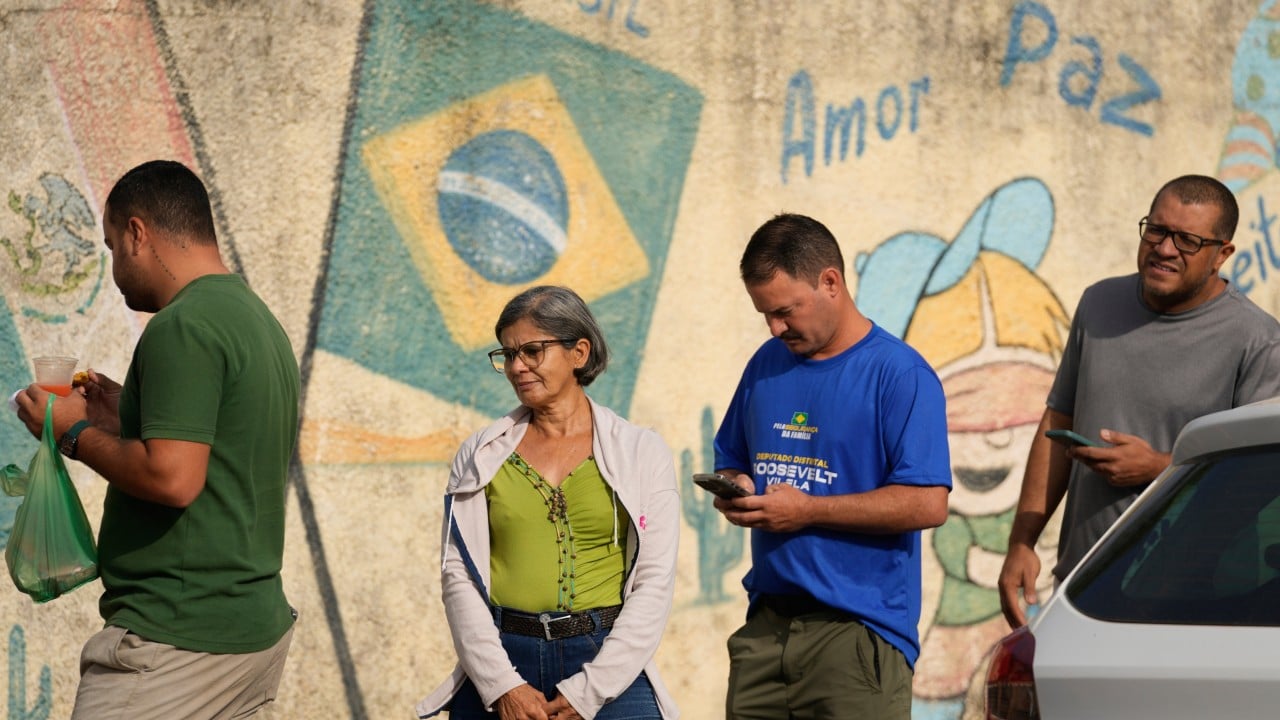
Brazil just finished voting in one of the most tense political showdowns the country has ever witnessed. When voters lined up across the nation, they weren't just choosing between two candidates. They were picking between two completely opposite futures for the largest democracy in South America. If you've been watching from the outside, it's easy to write this off as standard political theater. But trust me, the ground realities on the streets of São Paulo, Rio de Janeiro, and deep inside the Amazon tell a totally different story.
The Core Conflict Driving the Vote
At the center of this electoral storm stood a fierce battle between incumbent leftist leader Luiz Inácio Lula da Silva and the far-right opposition led by Flávio Bolsonaro, who stepped up to carry the banner after his father's legal bans. You're looking at a nation split right down the middle. On one side, working-class communities and environmental advocates rallied heavily behind Lula, terrified that a shift in power would roll back vital protections for the Amazon rainforest and indigenous lands. On the other side, conservative voters, agribusiness giants, and urban business owners pointed to rising public debt—hovering above 82 percent of GDP—and demanded a dramatic shift in economic management.
Economic anxiety was the silent engine behind every single conversation at local polling stations. Inflation, high interest rates, and stagnant growth forecasts sitting around two percent left millions of households feeling squeezed. When you talk to everyday shopkeepers or factory workers, you realize grand political ideologies matter far less than the price of groceries. Both sides promised relief, but voters knew the fiscal hole was deep.
Behind the Digital Campaign Machine
What made this cycle completely different from past elections wasn't just the rhetoric—it was the digital infrastructure. Social media armies and organized networks of content creators drove voter turnout in ways traditional television ads never could. Young voters and students organized massive mobilization efforts online, transforming platforms into battlegrounds where misinformation and rapid-fire fact-checking collided constantly.
Candidates spent millions trying to capture the attention of undecided voters who felt completely alienated by both political extremes. You could feel the exhaustion in the air. People weren't necessarily celebrating their preferred choice; many were simply voting out of fear of the alternative.
What This Means Moving Forward
Elections in Brazil carry weight that stretches far beyond domestic borders. The Amazon basin functions as a global climate buffer, meaning international environmental policy effectively hinges on who sits in Brasília. Furthermore, the legislative makeup means that whoever won the presidency still faces a deeply fractured congress, making sweeping policy changes nearly impossible without fierce negotiations.
If you want to understand modern democratic resilience, look at Brazil. Despite immense social friction, institutional pressure, and intense polarization, the electronic voting system processed tens of millions of votes with remarkable speed. The real work begins now, long after the ballot boxes have closed and the campaign banners come down.
Brazil head to the polls in deeply polarized election
This video provides a firsthand look at the voting process and the charged atmosphere at polling stations during the recent election cycle.