The global economy is currently tethered to a single, jagged strip of water, and the man holding the shears is Donald Trump. As of May 7, 2026, the White House has presented Tehran with what sources describe as a "final" 14-point memorandum of understanding. The objective is to end the devastating conflict that ignited in late February, but the cost of failure has never been higher.
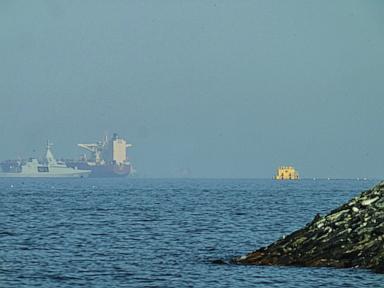
While the world watches the diplomatic theater in Islamabad, the reality on the water is far more volatile. Yesterday, the U.S. military disabled an Iranian tanker in the Gulf of Oman, shooting out its rudder as it attempted to run the American blockade. Hours later, a South Korean cargo ship, the HMM Namu, was rocked by an explosion in the Strait of Hormuz. Tehran denies involvement, yet the message is clear: the Strait is a graveyard in waiting.
The Pakistan Pivot
Negotiations have moved from the battlefields to the quiet rooms of Islamabad. Pakistan has emerged as the essential bridge, a role necessitated by the total collapse of direct communication between Washington and the new Iranian leadership. Following the death of Ali Khamenei during the initial February strikes, the transition of power to his son, Mojtaba Khamenei, has created a regime that is simultaneously more fragile and more desperate.
The U.S. proposal is not a traditional treaty. It is a demand for structural surrender disguised as a memorandum. The core requirements include:
- An immediate, verifiable reopening of the Strait of Hormuz to all international shipping.
- A permanent moratorium on uranium enrichment beyond 3.67 percent.
- The placement of all Iranian nuclear assets under "continuous and intrusive" international monitoring.
- The distribution of frozen Iranian assets, but only in tranches tied to specific military de-escalation milestones.
The Oil Chokehold
The primary driver for the White House isn't just nuclear non-proliferation; it is the price at the pump. Since the war began, gasoline prices in the United States have surged by 50 percent. Brent crude is stubbornly holding above $100 a barrel, even as markets rally on the mere hope of a deal.
Trump’s strategy is a brutal form of kinetic diplomacy. By maintaining a naval blockade while simultaneously offering a "way out," he is attempting to force the Iranian clergy to choose between regime survival and total economic extinction. "If they don't agree, the bombing starts," Trump posted late Wednesday, specifically warning of a "higher level and intensity" than the initial February salvos. This isn't just rhetoric. CentCom has reportedly repositioned heavy bomber wings to Diego Garcia and Al Udeid in the last 48 hours.
The Lebanon Complication
The most significant hurdle to a signature isn't actually in Tehran—it’s in Beirut. Iran has insisted that any ceasefire must include a total cessation of Israeli operations against Hezbollah in Lebanon. Israel, however, has maintained that its campaign to disarm the Radwan Force is a separate security necessity.
Just yesterday, Israel struck the southern suburbs of Beirut for the first time since the April "shaky ceasefire" began. This strike, which targeted a high-level Hezbollah commander, has threatened to blow the Islamabad talks apart. Iranian National Security Adviser Mahdi Mohammadi has been blunt: there will be no deal if Israel continues to strike Lebanon.
The Internal Iranian Fracture
The intelligence suggests the Iranian leadership is split. President Masoud Pezeshkian, who recently met with the wounded Supreme Leader, is reportedly pushing for the deal to prevent a total collapse of the Iranian state. Opposing him are the IRGC hardliners who view the reopening of the Strait of Hormuz as their only remaining leverage. Without the ability to threaten global energy supplies, the Guard loses its seat at the table.
For the American administration, the risk is a "hollow deal"—an agreement that opens the Strait but allows the IRGC to continue a shadow war via unconventional mines and drone swarms. The U.S. has already sunk six Iranian small boats this week to keep the shipping lanes even nominally active.
The Global Stakes
China is the silent, disgruntled observer in this conflict. As the primary buyer of Iranian oil, Beijing has seen its energy security shattered. Foreign Minister Wang Yi has called for a "comprehensive ceasefire," but the U.S. is leveraging the crisis to force China into a corner: either help pressure Tehran into a permanent nuclear freeze or continue watching your industrial base starve for affordable fuel.
The 32 members of the International Energy Agency have already released 400 million barrels of oil to stabilize the market. That reserve is not bottomless.
The next 48 hours will determine if the Islamabad memorandum becomes a blueprint for peace or the preamble to a much larger, more catastrophic regional conflagration. Trump wants a win before the summer heat makes military operations in the Gulf even more grueling, but Tehran knows that once they open the Strait, they have nothing left to trade.
The standoff is no longer about ideology; it is a math problem involving barrels of oil, centrifugal speeds, and the survival of a 47-year-old revolutionary government. The world is waiting to see if anyone is willing to blink.