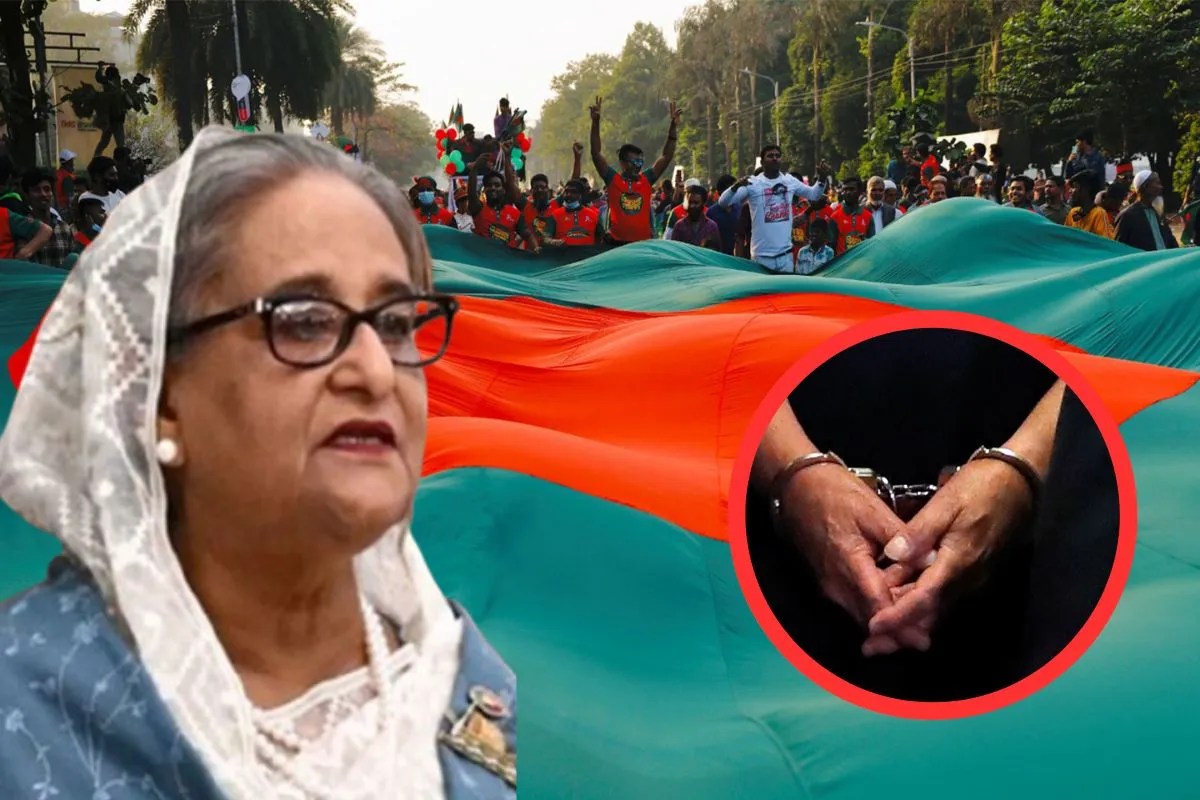
The political landscape of South Asia is littered with the wreckage of sudden collapses. When former Prime Minister Sheikh Hasina fled Dhaka in August 2024, ending a fifteen-year tenure, she left behind more than an empty office. She left behind millions of supporters whose identities, livelihoods, and safety were inextricably tied to the machinery of the Awami League. Today, the fate of these loyalists has devolved into a volatile cycle of state crackdowns, mass arrests, and street-level confrontations that threaten to permanently fracture the country's fragile democratic recovery.
Understanding what is happening to Sheikh Hasina's supporters requires looking past partisan rhetoric and examining the mechanics of post-regime retribution. The immediate aftermath of the August uprising unleashed widespread retaliatory violence. Party offices were torched, properties looted, and affiliates targeted by enraged crowds. As the interim administration and subsequent political configurations took hold, law enforcement agencies shifted from chaotic containment to systematic prosecution. Tens of thousands of political figures, local activists, and minor functionaries found themselves snared in mass criminal filings. These cases, frequently tied to the violence of the July and August protests, cast a wide legal net that critics argue blurs individual accountability with collective punishment.
Prisons across the country filled rapidly. Human rights monitors have repeatedly flagged the alarming frequency of custodial detentions, pointing to overcrowding, legal limbo, and cases of detainees facing severe health complications without adequate medical access. For many grassroots loyalists, normal life has ceased to exist. They operate in the shadows, navigating a web of social ostracization, frozen assets, and the constant dread of an early morning raid. The psychological toll on families whose breadwinners are jailed or in hiding has created an undercurrent of generational resentment.
Yet, uniformity is absent from how this suppression manifests geographically. In urban centers like Dhaka, security forces quickly clamp down on any unauthorized assembly, dispersing minor rallies before they gain traction. Conversely, in historical strongholds such as Gopalganj, the dynamic takes on a more combustible tone. Recent demonstrations and clashes with police underscore a stubborn refusal by hardline loyalists to fade quietly into history. These protests often ignite around polarizing prospects, such as discussions regarding Hasina's potential political return or extradition from abroad. When security forces deploy tear gas and batons against crowds chanting slogans for the deposed leader, it reinforces a dangerous feedback loop. The state views these actions as dangerous subversion aimed at destabilizing public order, while loyalists view them as defensive resistance against an illegitimate silencing of their political voice.
This tug-of-war exposes a fundamental dilemma for the current governance structure. True institutional reform requires accountability for past abuses, yet executing justice without devolving into victor's justice remains an immense hurdle. When entire political tiers are criminalized en masse, the prospect of national reconciliation recedes further out of reach. The judiciary is overwhelmed with politically charged dockets, and local law enforcement often finds itself caught between executing official mandates and managing localized vendettas.
The tension refuses to dissipate. As long as millions of citizens feel politically disenfranchised and systematically hunted, the embers of civil unrest will continue to smolder beneath the surface of everyday life.
Sheikh Hasina return: Awami League supporters clash with police in Bangladesh, torch vehicles
This video illustrates the recent violent clashes in Gopalganj, highlighting the ongoing friction between security forces and loyalist demonstrators.