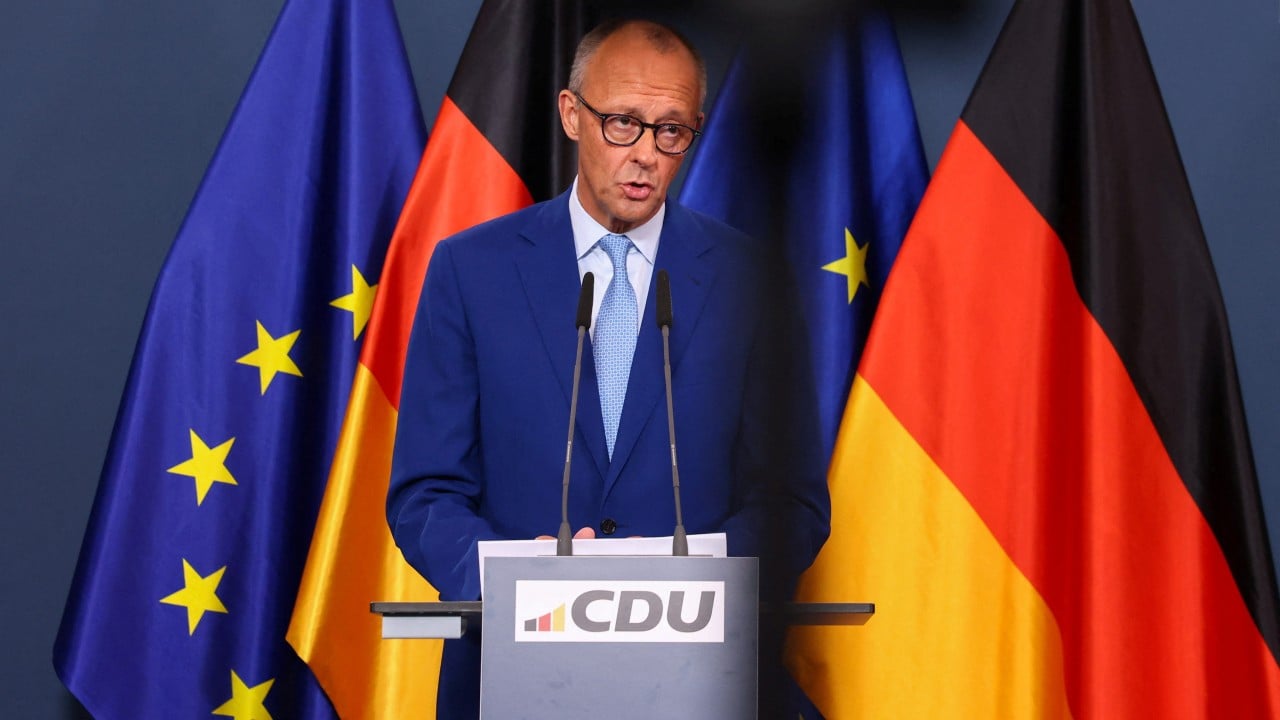
German Chancellor Friedrich Merz is discovering that sheer obstinacy is a poor substitute for political gravity. Following a brutal trifecta of state election humiliations that saw his Christian Democratic Union (CDU) pushed out of parliaments and reduced to historic lows, Merz stepped before the microphones in Berlin to offer a familiar refrain. He vowed to press ahead with his controversial economic and social reform agenda. He insisted that discipline would triumph over panic. Yet behind the chancellor’s defiant posture lies a structural fracture that cannot be patched with corporate resolve or late-night coalition bargaining in the capital.
The losses in Saxony-Anhalt, Mecklenburg-Western Pomerania, and Berlin were not mere expressions of mid-term voter fatigue. They exposed a deep-seated decay within the architecture of Germany’s political center. When a party that once defined the conservative mainstream gets completely ejected from a regional legislature—as the CDU was in Mecklenburg, dropping below the five percent electoral threshold—the crisis transcends party management. It signals a profound realignment where traditional loyalties have evaporated. Merz entered office promising a definitive economic turnaround and a containment of the far-right Alternative for Germany (AfD). Sixteen months later, the AfD is dictating the tempo of regional discourse while the federal coalition’s combined support continues to bleed outward.
The core mechanism of this political collapse lies in a widening chasm between Berlin’s legislative priorities and the lived economic anxiety of ordinary citizens. Merz has stubbornly championed a strict fiscal path, pushing structural overhauls to pensions, care systems, and state budgets that alienate large swathes of the electorate. In regions grappling with deindustrialization and threadbare public services, these reforms look less like modernization and more like abandonment from a distant elite. When the government simultaneously stumbles through high-profile personnel controversies and uncoordinated cabinet shuffles, the impression given is not of a steady hand at the wheel, but of a ship drifting rudderless in choppy waters.
This disconnect has transformed local elections into referendums on national competence. The CDU’s strategy relied heavily on maintaining an unyielding firewall against the far right. Yet as mainstream parties hemorrhage support to both the radical right and left-wing populist alternatives, that firewall is under immense strain from regional party members who view absolute isolation as an electoral dead end. Local officials watching their vote shares halve are naturally inclined to question national directives that bear little relevance to municipal survival. Merz’s insistence on driving his legislative package through parliament by the end of the year risks fracturing his own coalition from within, as junior partners like the Social Democrats (SPD) grow increasingly reluctant to anchor themselves to sinking approval ratings.
Consider a hypothetical scenario to understand the institutional paralysis now gripping Berlin. Imagine a corporate board attempting a radical restructuring while three-quarters of its regional franchises are actively revolting against executive leadership. The CEO responds by doubling down on production targets, ignoring union pushback, and dismissing board dissent as a lack of discipline. Within months, the board fractures, key managers resign, and output stalls entirely.
This is precisely the trap facing the German executive branch. Merz’s argument that there are "no easy solutions" to complex systemic problems is entirely correct from a governance standpoint. Voters, however, are no longer in a mood to reward technocratic realism when their immediate financial security feels precarious. By framing every electoral setback as an external symptom of global populist waves rather than an internal failure of policy design, the center risks insulating itself from reality.
The fallout extends far beyond domestic horse-trading. Germany anchors the economic and security architecture of Europe. A destabilized Berlin struggling to pass basic budgets or maintain legislative coherence cannot project leadership on the continental stage. International allies banking on German resolve for collective defense and fiscal stability are watching a government preoccupied with its own survival.
Merz may well succeed in forcing his legislative package through the Bundestag through sheer political willpower. But legislation enacted against the grinding resistance of an alienated public and a fractured party apparatus rarely provides stability. The firewall protecting Germany's traditional political order was built on broad-based consensus and shared trust in institutional competence. That trust has been spent, and no amount of executive decree will print more.
Merkel’s Successor Faces Open Revolt As Party Crumbles
This video provides an on-the-ground look at the immediate political fallout and the intense voter backlash that followed the historic state election defeats in Germany.