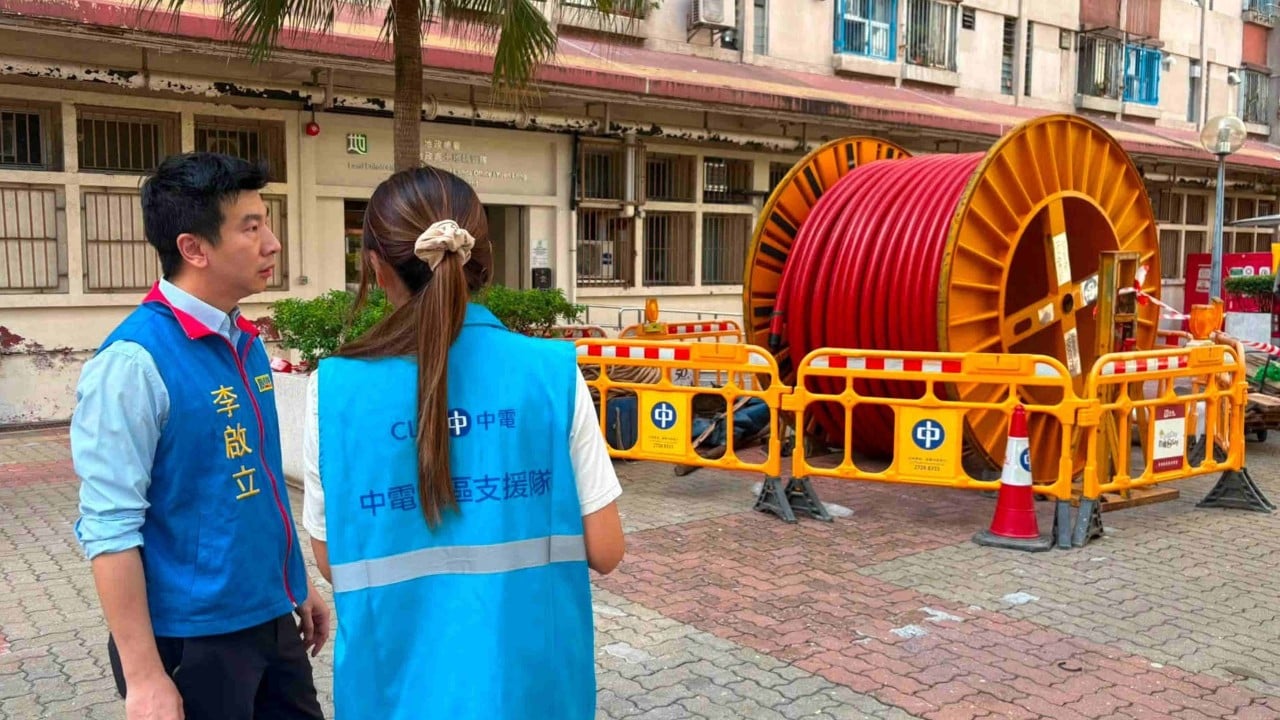
When the power grid fails during a brutal heatwave, the modern metropolis stops functioning like a living system and starts behaving like a pressure cooker. Across dense urban environments, recent infrastructure breakdowns—affecting residential housing estates, corporate office blocks, and even sensitive civic institutions like funeral homes—have exposed the fragile reality underlying our reliance on continuous electricity. When underground cables fault under thermal stress, air conditioning vanishes instantly, turning high-rise apartments into concrete ovens and grinding commercial productivity to an absolute halt.
The immediate culprit is usually dismissed as an isolated mechanical failure, such as a localized cable burnout or a transformer trip. However, looking at these incidents as mere bad luck misses the larger systemic rot. Urban electrical grids are being pushed past their original design parameters by concurrent stressors: unrelenting high temperatures that elevate baseline electrical loads, aging subterranean distribution networks, and a historic lack of grid hardening. When air conditioning demand spikes synchronously across a city, the thermal load inside distribution conduits multiplies, creating a feedback loop where heat degrades the infrastructure designed to cool us from the heat.
The Anatomy of a Thermal Grid Collapse
To understand why a routine summer afternoon can trigger widespread chaos, one must examine the physics of distribution networks. Most urban centers rely heavily on aging underground cable systems installed decades ago. These networks were engineered for a different era of baseline consumption and milder thermal maximums.
When ambient temperatures shatter historical records day after day, the ground itself retains heat. High surrounding soil temperatures reduce the current-carrying capacity of underground cables because the heat generated by electrical resistance cannot dissipate efficiently.
[ Ambient Heatwave ] --> [ Elevated Soil Temp ] --> [ Reduced Cable Capacity ] --> [ System Overload & Fault ]
When power demand surges simultaneously from millions of compressors kicking on inside air conditioning units, the cables run hot. Once the internal temperature of a conduit passes critical thresholds, insulation degrades, short circuits occur, and whole neighborhoods go dark.
The fallout spares no sector. In residential complexes like public housing estates, thousands of households find themselves trapped in unventilated high-rise flats where windows are often designed to remain sealed for structural or weatherproofing reasons. Elevators shut down, water pumps fail because they lack backup generation, and vulnerable populations are left stranded without cross-breezes or mechanical cooling.
Corporate Vulnerability and the Productivity Illusion
Commercial districts experience a parallel breakdown. Office towers built with sealed glass facades depend entirely on centralized HVAC loops. When a local substation or building-level feed trips, these architectural marvels transform rapidly into greenhouse enclosures.
Corporate continuity plans often assume that primary power disruptions are brief anomalies handled smoothly by backup diesel generators. Yet, those emergency systems are frequently sized only for life-safety requirements—emergency lighting, fire suppression, and basic security—rather than full-scale building air conditioning.
When office buildings lose climate control during peak summer conditions, internal temperatures climb past functional thresholds within hours. Employees are sent home or left to sweat in dim corridors, exposing the myth that modern white-collar operations are truly resilient against physical environmental shocks. The financial cost of these outages runs into millions of dollars in lost output, yet commercial real estate developers routinely underinvest in localized microgrid buffers or high-capacity thermal energy storage.
The Indignity at the Margins
Perhaps the most stark indicator of systemic failure is how these blackouts penetrate sensitive civic spaces that demand absolute reliability. When power and cooling drop out at commercial or municipal institutions like funeral homes, the disruption transcends mere discomfort. Mortuary operations, temperature-controlled preservation rooms, and spaces meant to provide solemn dignity to grieving families are thrown into disarray.
This is where the abstract concept of climate adaptation collides with raw human reality. Infrastructural failure does not distribute its burdens equally. While corporate offices can pivot to remote work and affluent residents can flee to air-conditioned retreats, marginalized populations—stuck in densely packed estates or reliant on public institutions—bear the brunt of institutional grid failures.
The Path Forward Requires Brutal Honesty
Municipal authorities and utility providers love to frame these events as extraordinary acts of nature, pointing to record-breaking thermometers as an absolute defense. That narrative is a convenient evasion. Heatwaves are entirely predictable meteorological phenomena. They arrive every summer, and global climate trends dictate they will only grow more intense and prolonged.
Treating grid failures as "black swan" events allows utilities to defer capital-intensive modernization. Upgrading subterranean networks, burying vulnerable overhead lines where applicable, mandating decentralized solar-plus-storage microgrids for housing estates, and enforcing strict thermal resilience standards for commercial properties require immense financial capital and political will.
Until city planners and energy regulators stop treating grid hardening as an optional luxury, urban residents will continue to face the grim cycle of summer blackouts. The next time a neighborhood loses power while the temperature climbs past dangerous thresholds, remember that the failure is not merely electrical. It is a failure of imagination, investment, and long-term planning in the face of an unmistakable atmospheric reality.


