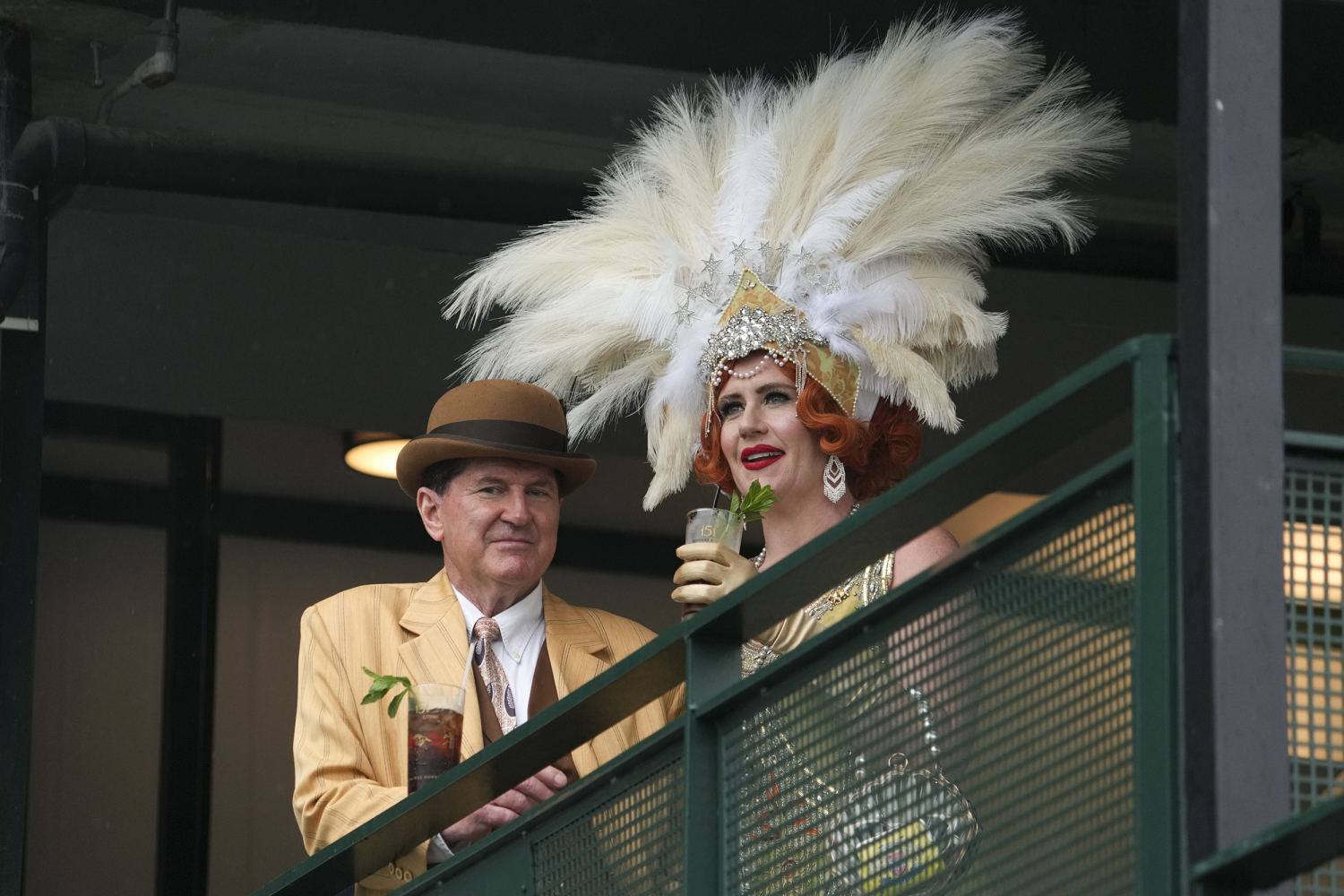
The gates at Churchill Downs fly open tomorrow for the 152nd running of the Kentucky Derby, but the spectacle you see on the screen is merely the polished veneer of a high-stakes industrial machine. For the twenty horses at the post, the race represents the culmination of a three-year eugenics project fueled by billions of dollars and a staggering tolerance for risk. While the casual observer focuses on the hats and the bourbon, the real story lies in the shifting mechanics of the Triple Crown and a breeding industry that has prioritized explosive speed over the physical durability that once defined the sport.
The Derby remains the most difficult race in the world to win. It requires a young, physically immature horse to navigate a stampede of nineteen rivals over a distance of ten furlongs—a distance most of these animals will never see again. The winner takes home millions, but the true prize is the valuation of the horse's reproductive future, which can jump from a few million to fifty million in two minutes. If you enjoyed this post, you might want to read: this related article.
The Fragility of the Modern Thoroughbred
We are witnessing a fundamental change in how racehorses are built. Decades ago, a Derby contender arrived in Louisville with twenty starts under its belt. Today, a horse might enter the starting gate with only four or five. This lack of "bottom" or foundational fitness isn't an accident; it is the result of a market that demands immediate returns.
Commercial breeders now focus on "brilliance," a euphemism for raw speed that often comes at the expense of bone density and ligament strength. When you select for horses that can sprint early, you inherently sacrifice the sturdiness required to endure a grueling campaign. This has created a paradoxical environment where the horses are faster than ever but significantly more prone to the kind of catastrophic injuries that have shadowed the sport in recent seasons. The industry is currently grappling with a public relations nightmare that it largely engineered through its own selection processes. For another perspective on this story, refer to the recent update from Bleacher Report.
The Shadow of the Super Trainer
The competitive field is no longer a democratic assembly of independent horsemen. It is dominated by a handful of "super trainers" who manage fleets of 100 or more horses across multiple states. These operations function like corporate entities, using data-driven analytics and specialized veterinary regimens to squeeze every ounce of performance out of their roster.
This consolidation of power has squeezed out the mid-sized stable. When a wealthy owner buys a million-dollar yearling, they send it to one of the top five trainers. This creates a feedback loop where the best talent—both equine and human—is concentrated in a few barns. While this leads to high win percentages for the elite, it narrows the tactical variety of the race itself. Tomorrow’s Derby will likely be a chess match between three or four major operations, regardless of how many different names appear on the owners' list.
Bloodlines and the Auction Floor
The pedigree of a Derby winner is rarely a surprise. The influence of "Sire Power" has never been more pronounced. Modern breeding is dominated by a few key lineages that excel at the classic American distance. However, the saturation of these bloodlines creates a genetic bottleneck.
When every horse in the field traces back to the same three or four grand-sires, the variance in performance narrows. This is why we see "blanket finishes" where five or six horses cross the line within a length of each other. The edge is no longer found in the lungs or the heart, but in the specific chemical and neurological makeup of the animal—how it handles the roar of 150,000 people and whether it can maintain its stride when the lactic acid builds at the top of the homestretch.
The Economic Engine of the Infield
Churchill Downs Incorporated is a publicly traded company, and they have spent the last decade transforming the Derby from a horse race into a luxury hospitality event. The construction of permanent seating and high-end suites has replaced much of the traditional "backside" charm. This isn't just about aesthetics; it’s about a pivot toward a high-net-worth demographic that is insulated from the fluctuations of the gambling markets.
The handle—the total amount of money wagered—is still vital, but the real growth is in "experience" revenue. If the betting windows went dark tomorrow, the Derby would still survive on its corporate sponsorships and five-figure ticket packages. This shift has changed the atmosphere of the track. It is less a smoky gambling den and more a corporate summit with four-legged entertainment.
The Regulatory Crackdown
The Horseracing Integrity and Safety Authority (HISA) is the new sheriff in town, and its presence will be felt heavily this weekend. After years of fragmented state-by-state rules that allowed for "pharmaceutical assistance," the federal oversight is finally tightening the screws.
This has led to a flurry of late scratches and sudden barn changes in recent years as trainers struggle to adapt to more stringent medication thresholds. The goal is to clean up the sport's image, but the transition is messy. We are seeing a clash between the old guard, who view certain medications as essential "maintenance," and a new regulatory body that sees them as performance enhancers that mask underlying physical flaws.
Tactical Breakdown of the Mile and a Quarter
The Kentucky Derby is often lost in the first 400 yards. In a twenty-horse field, the "run to the first turn" is a violent exercise in positioning. If a horse is shuffled back or trapped on the rail, its race is effectively over. Jockeys must make split-second decisions that involve navigating a ton of moving muscle at forty miles per hour.
- The Early Speed: Look for the horses drawn in the middle of the gate to gun for the lead. They need to clear the field before the turn to avoid being forced wide.
- The Closers: These horses will languish at the back, hoping for a "suicide pace" up front. If the leaders go too fast too early, they will tire out, opening a path for the late runners.
- The Trip: This is the most underrated factor. A "clean trip" means a horse didn't have to check its stride or run extra distance by going wide around the turns.
The winner is rarely the fastest horse in the world. It is the horse that is lucky enough to find a gap and brave enough to take it.
The High Cost of the Triple Crown
The obsession with the Derby often ruins horses for the rest of the year. The physical toll of peaking in early May is immense. Many Derby winners disappear from the competitive circuit shortly after, either due to minor injuries that require months of rest or because their value as a stallion is already maximized.
This "one and done" culture is detrimental to the sport's long-term health. Fans want stars they can follow for years, like the legends of the 1970s. Instead, we get a rotating cast of characters who vanish as quickly as they arrived. The industry is currently debating whether to move the Preakness and the Belmont Stakes further apart to allow for more recovery time, but tradition is a difficult obstacle to overcome in a sport that builds its identity on history.
The Wagering Reality
If you are looking to bet, ignore the "hot tips" from the local news. The smart money often looks for the "improver"—a horse that has been steadily getting faster in each race but hasn't yet put in a dominant performance. The public tends to over-bet the winner of the final prep races, creating value on the horses that finished second or third with "troubled trips."
Betting on the Derby is statistically different from betting on a normal Wednesday at the track. The massive betting pools mean that even a small wager can yield a significant payout, but the sheer chaos of a twenty-horse field makes traditional handicapping less reliable. You aren't just betting on speed; you are betting on a series of randomized events going your way.
Integrity in the Age of Social Media
The sport can no longer hide its flaws. Every angle is captured by a smartphone, and every injury is scrutinized by a global audience. The industry's survival depends on its ability to prove that it cares about the animal more than the profit margin. This means better track surfaces, more transparent medical records, and a willingness to retire horses before they break.
The Kentucky Derby is a celebration, but it is also an interrogation of a legacy industry's right to exist in a modern world. The horses running tomorrow are some of the most pampered athletes on earth, but they are also the most vulnerable.
Watch the ears of the horses as they enter the stretch. A horse with its ears pinned back is fighting; a horse with its ears forward is enjoying the work. In that distinction lies the future of the sport.