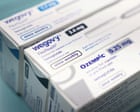
In the first quarter of 2026, the promise of a pharmacological cure for obesity hit a $70 billion brick wall. States that once led the charge in expanding access to blockbuster GLP-1 drugs like Wegovy and Zepbound are now quietly—and in some cases, violently—purging their Medicaid rolls.
California, Pennsylvania, New Hampshire, and South Carolina have all terminated weight-loss coverage for Medicaid recipients this year. The reason is a simple, cold calculation. While these medications work, their cost has evolved from a manageable budget line item into a systemic threat to state solvency. In Pennsylvania alone, Medicaid spending on these drugs doubled in a single year, hitting $1.3 billion before the state finally pulled the plug.
The crisis reveals a widening chasm in American healthcare: a world where the working poor are increasingly barred from life-altering treatments that the wealthy buy out of pocket and the middle class secures through corporate benefits.
The Bankruptcy of Good Intentions
The exodus began as a trickle in late 2024 and has become a flood. When GLP-1 agonists first hit the market with weight-loss indications, they were hailed as a generational breakthrough. Public health officials saw a path to reducing the long-term costs of diabetes, heart disease, and joint replacements.
But Medicaid operates on a different timeline than clinical outcomes. State budgets are annual; the "savings" from a thinner population take a decade or more to materialize. Meanwhile, the pharmacy bill is due every thirty days.
Michigan has attempted a middle ground by limiting access to the "morbidly obese"—those with a BMI over 40. This creates a perverse incentive structure where a patient may need to gain weight to qualify for the medicine that could save them. It is a triage strategy born of desperation, not medicine.
The $350 Ceiling and the TrumpRx Factor
A significant portion of this volatility stems from a high-stakes standoff between the federal government and pharmaceutical giants. Late in 2025, the administration brokered a deal with Eli Lilly and Novo Nordisk to cap the price of injectable GLP-1s at $350 per month for government programs.
On paper, this was a victory. In reality, it has created a "waiting room" effect. Many states are cutting coverage now, betting they can renegotiate better rates or wait for the federal "TrumpRx" purchasing platform to stabilize.
- The Price Disconnect: While the capped price of $350 is a fraction of the $1,000+ retail cost, it is still roughly 35 times higher than the estimated production cost of the active ingredient.
- The Volume Problem: Even at $350, if 25% of a state's Medicaid population qualifies and uses the drug, the total cost exceeds the state's entire existing pharmacy budget.
- The Rebate Trap: States often rely on confidential rebates from manufacturers. When the federal government imposes a price cap, those private rebate structures often collapse, leaving state treasuries with a larger net bill than they had before the "discount."
The Comorbidity Loophole
As states shut the front door on weight-loss coverage, patients and doctors are searching for side entrances. Medicaid still covers these drugs for Type 2 diabetes. Consequently, we are seeing a statistical surge in "borderline" diabetes diagnoses and sleep apnea screenings.
In Maryland, officials estimate that providing comprehensive obesity coverage would cost up to $450 million annually. To avoid this, they have restricted Wegovy to those with existing cardiovascular disease and Zepbound to those with obstructive sleep apnea.
This creates a tiered reality of care. If you are poor and obese, you must wait until your heart begins to fail or your breathing stops in the night before the state will pay for the intervention that could have prevented both.
The Lobbying Shadow War
While pharmaceutical companies have publicly agreed to price cuts, their spending behind the scenes tells a different story. In the final quarter of 2025, Eli Lilly and Novo Nordisk combined for over $4 million in federal lobbying.
They aren't just lobbying for prices; they are lobbying for requirements. The industry wants federal mandates that would force states to cover anti-obesity medications, effectively stripping state governors of the ability to say "no" to the bill.
States are fighting back with "most-favored-nation" legislation, attempting to peg what they pay to the much lower prices seen in Europe and Canada. It is a war of attrition where the casualties are the millions of patients currently staring at a $1,000 monthly bill they cannot pay and a Medicaid card that no longer works at the pharmacy counter.
The math simply does not work yet. Until the price per dose drops to the level of a standard maintenance medication—closer to $50 than $350—the Medicaid purge will continue. States are choosing the survival of their general funds over the long-term health of their most vulnerable citizens.
For the person on the ground, the message is clear: the miracle drug exists, but you aren't the one it's for.
Stop looking at the pharmacy window and start looking at the state budget. That is where the real diagnosis is written.