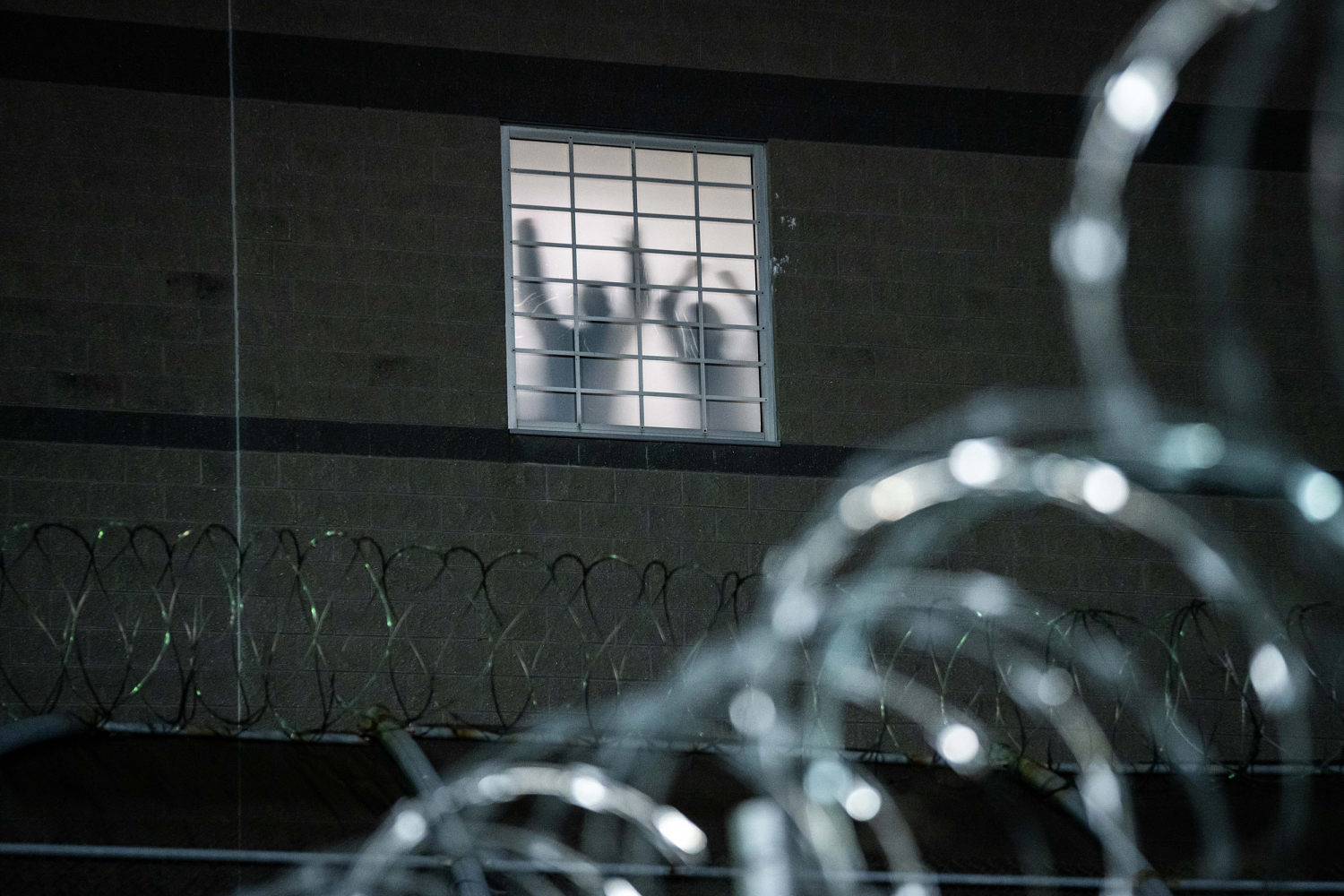
Capital punishment gets sold to the public as a sanitized, clinical procedure. Proponents talk about medical professionals, sterile rooms, and a peaceful slipping into unconsciousness. They paint a picture of modern justice operating with surgical precision. But history tells a wildly different story. When states try to execute human beings behind closed doors, things frequently go catastrophically wrong.
You've likely heard sensational headlines about inmates catching fire or execution chambers turning into chambers of horrors, but the mechanics behind these failures reveal a systemic breakdown. Lethal injections, electric chairs, and gas chambers aren't failing because of a few bad days. They fail because executing people reliably and humanely is fundamentally difficult, and the pharmaceutical and medical industries have largely washed their hands of the process.
Let's look at what actually happens when capital punishment hits the execution table.
Why Lethal Injection Became a Biological Nightmare
For decades, states relied on a reliable three-drug cocktail for lethal injections. Sodium thiopental put the inmate to sleep, pancuronium bromide paralyzed them, and potassium chloride stopped their heart. It sounded foolproof on paper.
Then reality hit. Sodium thiopental manufacturing stopped. States scrambled for alternatives, turning to compounded pharmacies or untested sedatives like midazolam. Midazolam doesn't reliably keep an inmate unconscious under the sheer agony of the paralyzing agents and heart-stopping chemicals that follow.
This shift turned execution rooms into testing grounds. Inmates have spent hours choking, gasping, and writhing while strapped to gurneys. Executioners couldn't find usable veins because years of drug abuse or poor health wrecked the inmate's circulatory system. Staff members resorted to hacking into flesh in search of a line, leaving execution chambers looking like back-alley butcher shops rather than state-of-the-art facilities.
When execution teams fail to properly anesthetize the condemned, the paralytic drug creates a terrifying mask. The inmate cannot scream, move, or signal distress, even as they experience the burning sensation of potassium chloride searing through their veins. It's torture disguised as medicine.
When Technology Fails and Bodies Burn
Electrical currents and faulty equipment have produced some of the most gruesome spectacles in penal history. Take the infamous case of Jesse Joseph Tafero in Florida in 1990. A sponge used in the electric chair was made of synthetic material instead of natural sea sponge.
Instead of conducting the electricity smoothly, the synthetic sponge caught fire. Six-inch flames danced from Tafero's head while witnesses watched in horror, smelling burning hair and flesh. Technicians had to apply multiple surges of electricity to finish the job, leaving his head charred.
Similarly, accounts from various state penitentiaries detail medical personnel and execution witnesses left splattered or exposed to biological fallout during botched procedures. When a vein blows out or pressure builds catastrophically during a botched cut-down procedure, the room becomes hazardous. These aren't isolated anomalies. They are the predictable outcome of state employees trying to perform complex medical procedures under immense pressure with inadequate training.
The Pharmaceutical Boycott and Desperate Workarounds
You might wonder why states don't just use the best drugs available. The answer is simple. Pharmaceutical companies refuse to sell them for executions.
Major drug manufacturers, many of them based in Europe where capital punishment is banned, block their products from being used to end human lives. They explicitly forbid distributors from selling lethal doses to American prisons.
This boycott forced departments of corrections into the shadows. States passed secrecy laws to hide where they buy their execution drugs. They operate like illicit drug rings, dealing with anonymous compounding pharmacies, paying in cash, and hiding expiration dates or testing certificates from public scrutiny.
When you buy medicine from an unregulated source in secret, you get unpredictable results. Some batches are too weak, leaving inmates conscious. Other batches degrade, causing violent physical reactions. The entire supply chain of state-sponsored death is built on evasion and secrecy.
The Psychological Toll on Execution Teams
We rarely talk about the people standing on the other side of the glass. Prison wardens, executioners, and medical staff carry heavy psychological burdens after participating in botched executions.
Studies and firsthand accounts from former execution team members show high rates of post-traumatic stress disorder, severe anxiety, and substance abuse. Watching a human being chemically suffocate, convulse for forty minutes, or catch fire leaves permanent scars.
Many workers report that they signed up to maintain security and order within a prison, not to act as executioners using improvised medical equipment. When the process breaks down, the psychological trauma multiplies exponentially. The staff members are left to deal with the fallout while politicians and judges move on to the next case.
Where the Debate Stands Today
The conversation around capital punishment has shifted away from whether the state has the moral right to kill people. Instead, the fight centers on the Eighth Amendment prohibition against cruel and unusual punishment.
Every time an execution goes wrong, defense attorneys file emergency stays based on the specific method used. They argue that a botched procedure violates constitutional protections, forcing courts to parse the exact definition of unnecessary pain.
States keep trying to innovate. Some have brought back nitrogen hypoxia, claiming it offers a clean, painless exit. Yet early tests and expert warnings suggest even nitrogen gas can cause violent seizures, prolonged suffering, and unpredictable physical responses.
The underlying truth remains unchanged. You cannot neatly institutionalize state killing. As long as governments pursue capital punishment, the machinery of death will occasionally break down in public view, exposing the brutal reality behind closed doors. Stop looking at executions as administrative paperwork. They are messy, violent, and deeply flawed human endeavors.