Fifty-eight years ago, three men sat atop a skyscraper of vibrating metal and rode a pillar of fire into the unknown. Apollo 8 was a desperate, high-stakes gamble meant to beat the Soviet Union to the moon. Today, NASA is preparing to repeat that loop with Artemis II. While many industry cheerleaders want to frame this as a poetic mirror of 1968, the reality on the ground in Florida and Washington tells a far more complicated story. Artemis II is not just a mission of discovery. It is a high-cost test of whether a government-run deep space program can still function in an era defined by private-sector speed and shrinking political patience.
The primary objective of Artemis II is simple to state but grueling to execute. Four astronauts will strap into the Orion capsule, launch atop the Space Launch System (SLS), and perform a figure-eight flyby around the lunar far side before returning to Earth. This mission is the bridge. It moves the program from uncrewed proof-of-concept to human-rated operations. If it succeeds, the United States regains a capability it hasn't possessed since 1972. If it fails, or even if it continues to slip down the calendar, the entire architecture of American space dominance risks crumbling under the weight of its own budget.
The Cold Reality Behind the Apollo Comparison
Comparing Artemis II to Apollo 8 is easy for marketing departments. Both missions involve a crewed flight around the moon without a landing. Both serve as the final "dress rehearsal" for a lunar touchdown. However, the internal pressures are worlds apart. In 1968, NASA was fueled by an existential Cold War fire and a budget that peaked at roughly 4% of the federal total. Today, NASA operates on a fraction of that, navigating a labyrinth of "cost-plus" contracts that have kept the SLS and Orion behind schedule for over a decade.
Apollo 8 was a pivot born of audacity. When NASA realized the Lunar Module wouldn't be ready in time, they changed the mission profile to go to the moon anyway, just to stay ahead. Artemis II, by contrast, is a pivot born of necessity. The program has been plagued by thermal shield issues and valve failures. We aren't racing the Soviets anymore; we are racing the clock of public interest and the encroaching efficiency of commercial competitors.
The technical stakes are higher now because our tolerance for risk has evaporated. In the sixties, NASA accepted a level of danger that would be unthinkable today. For Artemis II to be a success, it has to be perfect. A "successful failure" in 1968 was a learning moment. A significant setback in 2026 could result in the cancellation of the entire program.
The Hardware Burden
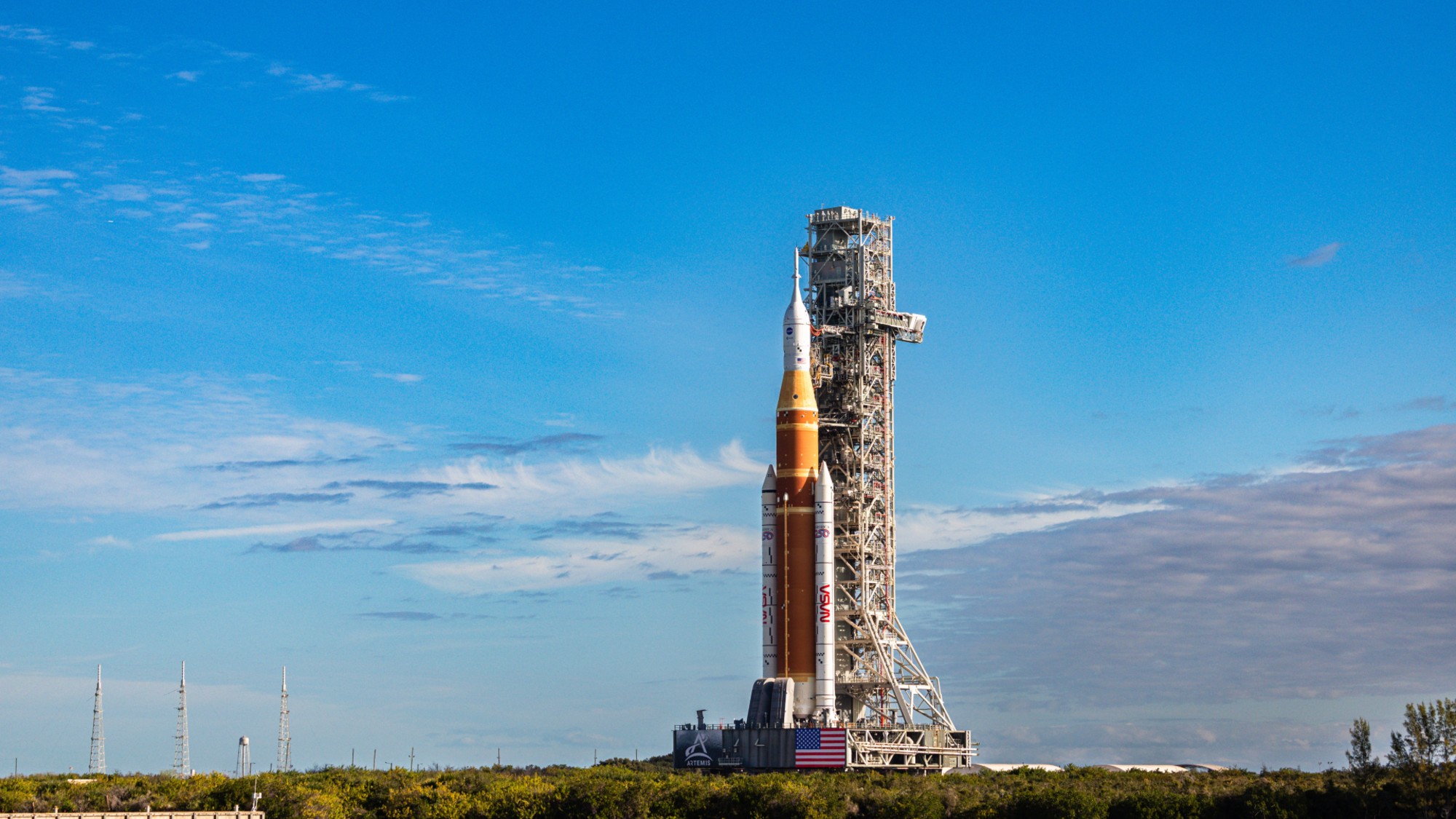
The Space Launch System is the most powerful rocket ever built by the federal government. It is also a Frankenstein’s monster of legacy technology. To save money—or so the theory went—NASA used modified Space Shuttle Main Engines (RS-25s) and solid rocket boosters. This decision tied the program to supply chains and mindsets that are nearly forty years old.
Each SLS launch costs upwards of $2 billion. That is a staggering number when compared to the projected costs of fully reusable heavy-lift vehicles being developed in south Texas. The "why" behind Artemis II’s hardware choice is political. By spreading contracts across all 50 states, NASA ensured the program would be difficult for any single administration to kill. But this political safety net has created a technical drag.
The Orion capsule itself is a marvel of engineering, but it is heavy. During the Artemis I uncrewed flight, the heat shield eroded in ways the engineers didn't expect. Tiny pieces of the material charred and broke away differently than predicted in computer models. For Artemis II, the life-support systems must also work flawlessly for the first time in a deep-space environment. There is no backup. Once that Trans-Lunar Injection burn is complete, those four humans are committed to a trajectory that takes them 230,000 miles away from the nearest hospital.
The Human Element in a Divided Era
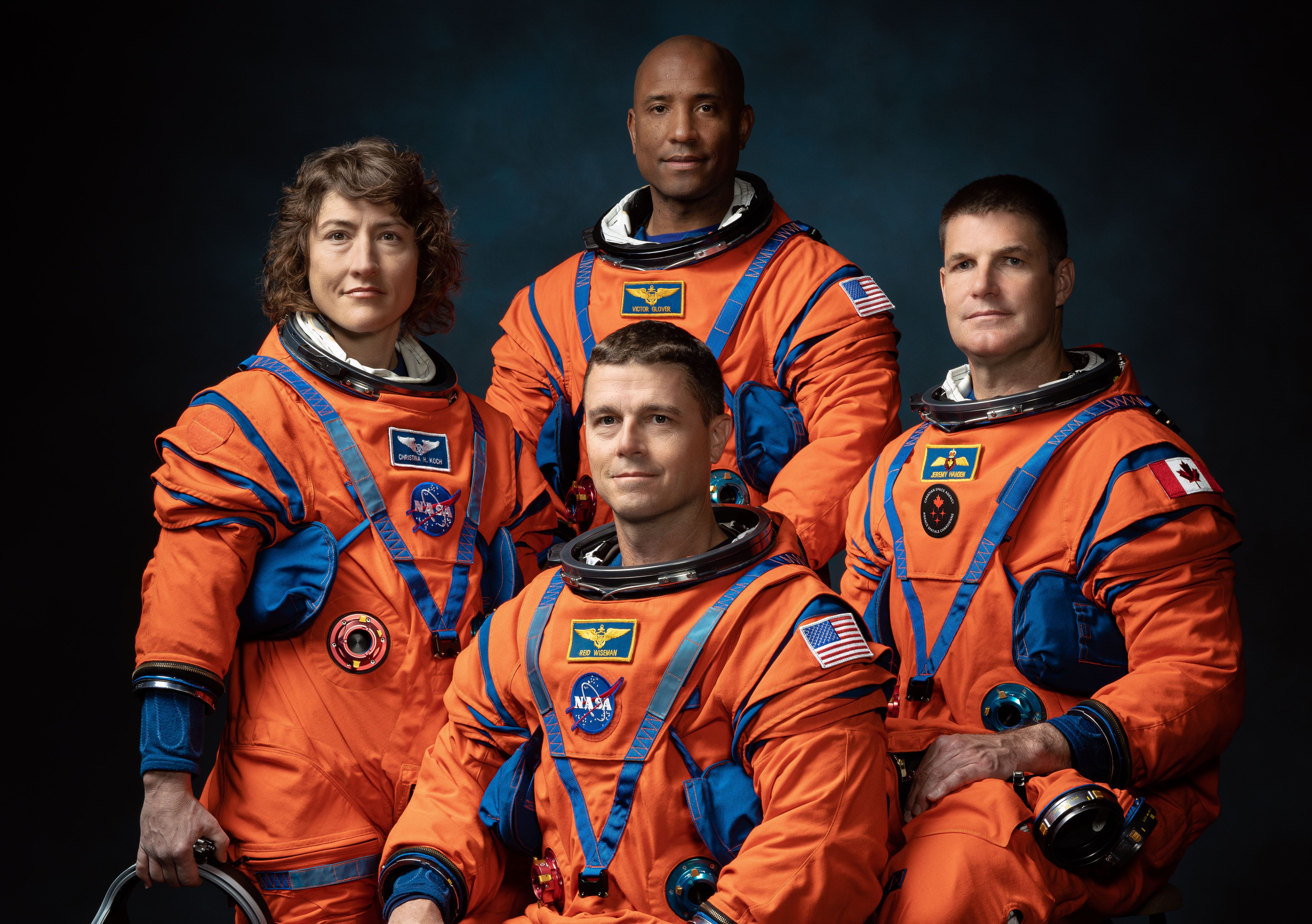
The crew of Artemis II—Reid Wiseman, Victor Glover, Christina Koch, and Jeremy Hansen—represents a shift in the face of space exploration. Unlike the test pilots of the sixties, this crew reflects a more intentional diversity. This isn't just about optics. It is a strategic move to broaden the base of stakeholders in the mission’s success.
However, the pressure on these four is immense. They are tasked with manual handling of the Orion spacecraft in high-earth orbit before they even head for the moon. They will test the proximity operations, essentially "flying" the capsule near the spent upper stage of the rocket to prove they can dock with other modules in the future.
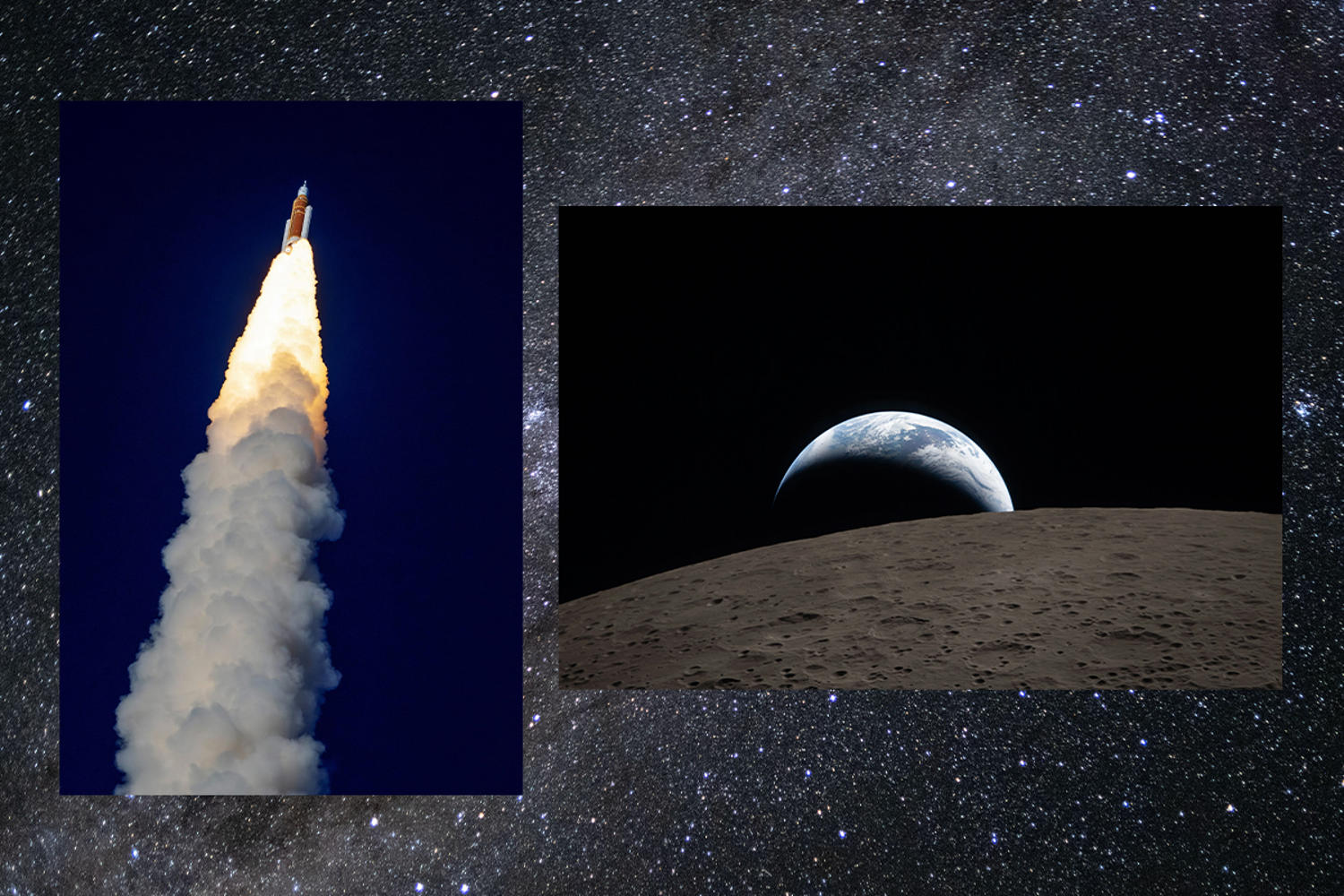
The psychological impact of seeing the Earth rise over the lunar horizon is what people remember about 1968. It gave a fractured world a moment of unity. NASA is banking on a similar "Blue Marble" moment to justify the billions spent. But in an era of 24-hour news cycles and social media saturation, the window for capturing the world's collective breath is much smaller. The mission has to deliver more than just a photograph; it has to prove that humans being there matters more than a high-resolution robot.
The Shadow of the Commercial Sector
You cannot discuss Artemis II without acknowledging the elephant in the room. While NASA builds a massive, non-reusable rocket, private companies are iterating at ten times the speed. This creates a friction point in the "how" of current space policy.
The Artemis program relies on private companies for the actual landing (the Human Landing System). This means Artemis II is the last time NASA will be fully in charge of the entire mission architecture. From Artemis III onward, the government provides the bus, but a private contractor provides the elevator to the surface.
This hybrid model is untested and fraught with tension. Traditional aerospace giants are struggling to keep up with the fixed-price contract demands that the newcomers handle with ease. This has led to a strange situation where Artemis II, the government’s crowning achievement, looks like an antique before it even leaves the pad.
Overlooked Factors in the Lunar Trajectory
- Radiation Protection: Artemis II will spend a significant amount of time in the Van Allen belts and deep space without the protection of Earth's magnetic field. The shielding on Orion is top-tier, but solar flares remain an unpredictable variable.
- Communication Lag: While we have better data rates than 1968, the sheer volume of data being sent back for Artemis II will test the Deep Space Network to its limits.
- The Return Profile: Orion will hit the atmosphere at nearly 25,000 miles per hour. The skip-entry maneuver, designed to bleed off heat and energy like a stone skipping across a pond, is a technical feat that must be executed with surgical precision.
The High Cost of Staying Home
Critics point to the price tag and ask why we are going back to a place we already visited. The answer isn't just "science" or "exploration." It is about the industrialization of the inner solar system. If the United States isn't there to set the norms and the "rules of the road," other nations will.
The moon is the high ground. Artemis II is the move to secure that ground. It isn't just a nostalgic trip to 1968; it is an infrastructure project for the 2030s. The mission is designed to prove that we can survive in the "proving ground" of cislunar space before we even think about the two-year journey to Mars.
The danger is that we are trying to do 21st-century exploration with a 20th-century procurement model. The delays aren't just technical; they are systemic. Every time a valve leaks or a software patch fails, it costs millions in "standing army" costs—the thousands of engineers waiting to turn the wrenches. This is the burn rate that could eventually kill the dream of a permanent lunar presence.
Gravity and Geopolitics
In 1968, we were running away from the chaos of a year defined by assassinations and war. In 2026, we are trying to run toward a future where space is a functional part of the economy. Artemis II is the litmus test for that transition.
If Orion splashes down in the Pacific and the crew walks out healthy, the momentum will be unstoppable. It will validate the SLS, the Orion, and the multi-billion dollar investment. It will silence the critics who say the government should get out of the rocket business entirely. But if the mission reveals deep flaws in the heat shield or the life support, the comparison to Apollo 8 will turn from an inspiration into a haunting reminder of what we used to be able to do.
The moon hasn't changed since 1972. It is still a cold, airless rock that hates human life. What has changed is our reason for being there. We are no longer going to prove we can; we are going to prove we can stay. The four people on Artemis II are carrying the weight of an entire industry that has spent decades in low-Earth orbit, waiting for the permission to leave.
The countdown for Artemis II is a countdown for the future of NASA as a deep-space agency. We are about to find out if we still have the stomach for the heights. The fire that lifts that rocket will either light the way to the stars or illuminate the end of an era of government-led exploration. There is no middle ground when you are 230,000 miles from home.