Enzymes designed to repair human tissue cannot turn back the clock on aging overnight, despite bold claims from venture-backed biotechnology startups. While recent targeted enzyme therapies show promise in clearing damaged proteins and activating cellular repair pathways in controlled laboratory environments, human biology presents formidable physical barriers. Tissue aging involves a complex Web of extracellular matrix stiffening, senescent cell accumulation, and DNA damage that simple protein infusions cannot resolve alone. Translating lab successes into effective therapies requires solving severe targeted delivery problems and avoiding catastrophic side effects like uninhibited cell proliferation.
The Biological Reality Behind Tissue Reversal
Human tissues do not wear out like mechanical gears. They degrade through a compounding breakdown of structural scaffolding and cellular metabolic regulation.
At the center of this breakdown are specialized biological catalysts. Enzymes govern every chemical reaction in the human body, from breaking down nutrients to repairing damaged strand breaks in DNA. As human tissues age, the production of essential restorative enzymes drops precipitously, while destructive enzymes—such as matrix metalloproteinases—run rampant, tearing apart healthy structural networks.
The media excitement surrounding recent clinical trials centers on engineered enzymes designed to restore youth at the molecular level. Researchers have focused on three primary targets:
- Telomerase, an enzyme that rebuilds the protective caps on the ends of chromosomes.
- Sirtuins and AMPK activators, metabolic enzymes that regulate cellular energy, inflammation, and DNA repair.
- Extracellular matrix remodelers, specialized proteins engineered to break down pathological collagen cross-links that cause organs and blood vessels to stiffen.
The theoretical model sounds simple. Supply the missing catalytic machinery, clear out accumulated metabolic debris, and allow the organ systems to regenerate naturally.
Reality is far more stubborn. Injecting a therapeutic protein into a patient is vastly different from administering it to isolated cells in a petri dish. Human tissues are protected by dense physiological barricades designed specifically to keep foreign molecules out.
The Extracellular Matrix Trap
Consider the vascular system. Young blood vessels expand and contract easily because their walls contain a precise mixture of elastic fibers and organized collagen strands. Over decades, excess glucose forms permanent chemical bonds with these structural proteins, forming advanced glycation end-products.
The arteries turn brittle.
When researchers introduce recombinant enzymes engineered to cleave these pathological cross-links, they run straight into structural roadblocks. Consider a hypothetical clinical scenario where a synthetic enzyme is administered via intravenous drip to treat arterial stiffness. The protein circulates through the bloodstream, but only a fraction reaches the dense inner layers of the arterial wall where the cross-links reside. The rest is cleared by the liver or broken down by native blood plasma proteases within hours.
+--------------------------------------------------------------------+
|                BARRIERS TO SYSTEMIC ENZYME THERAPY                 |
+--------------------------------------------------------------------+
| 1. Systemic Clearance  -> Liver and kidneys eliminate proteins     |
|                           before they reach target organs.         |
| 2. Structural Barriers -> Dense matrix walls block deep protein     |
|                           penetration in organs.                   |
| 3. Immune Reaction     -> Chronic dosing triggers neutralizing     |
|                           antibodies.                              |
+--------------------------------------------------------------------+
Even when therapeutic enzymes reach their intended location, they often lack surgical precision. An enzyme designed to break down degraded collagen can easily attack healthy structural collagen if its activity is not tightly controlled. Tissue destruction accelerates instead of tissue repair.
The structural damage accumulated over fifty years cannot be swept away by simply flooding the bloodstream with catalytic proteins. If the underlying structural scaffolding is destroyed, cells lose the physical signals required to organize into healthy tissue structures.
Telomerase and the Double Edged Cancer Risk
Reactivating telomerase remains one of the most controversial avenues in regenerative medicine. Telomeres shorten with every cell division, acting as a biological fuse that eventually triggers senescence or cell death.
Telomerase resets that fuse.
In controlled animal models, telomerase gene therapy has extended lifespan and improved organ function in damaged tissues. Yet human physiology presents a terrifying trade-off that biotech marketing materials routinely ignore.
Cancer cells survive by hijacking telomerase. Roughly 85 to 90 percent of human malignant tumors express active telomerase, granting cancer cells infinite replicative capability.
When systemic telomerase therapies are introduced to rejuvenate aging tissues, every dormant precancerous cell in the body gains the exact mechanism it needs to grow uncontrollably. Rejuvenating healthy tissue by turning on telomerase carries the constant, underlying threat of accelerating malignant tumor growth.
The Problem of Cellular Senescence
Senescent cells—often referred to as zombie cells—stop dividing but refuse to die. They secrete a toxic cocktail of inflammatory signals that degrade surrounding tissue and force neighboring healthy cells into senescence.
Enzyme-based approaches to clearing or neutralizing these cells face severe hurdles:
- Selectivity gaps: Distinguishing between a senescent cell and a chronically inflamed healthy cell is exceptionally difficult.
- Tissue integrity loss: Removing large volumes of senescent cells too quickly from damaged organs can cause acute structural collapse.
- Rebound inflammation: Incomplete clearance can trigger an aggressive immune response, causing fresh inflammation.
Metabolic Regulators and the Delivery Problem
Metabolic master switches like SIRT1 and AMPK regulate how cells handle stress, process energy, and clear out internal debris through autophagy. Boosting these pathways synthetically mimics the beneficial effects of calorie restriction and vigorous physical exercise.
Small molecules designed to activate these pathways frequently run into bioavailability dead ends.
Proteins and complex targeted molecules are fragile. When taken orally, stomach acid digests them into useless amino acid fragments. When injected intravenously, the human immune system recognizes foreign enzymatic structures and produces neutralizing antibodies. Within a few treatment cycles, the body neutralizes the expensive drug before it reaches the targeted organ tissue.
Crossing the blood-brain barrier poses an even tougher challenge. Central nervous system tissues accumulate immense protein damage during neurodegenerative conditions, but the protective vascular lining of the brain excludes over 98 percent of large-molecule biopharmaceuticals.
An enzyme capable of dissolving toxic brain plaques in a laboratory test tube is completely useless if it cannot pass from the bloodstream into the brain tissue itself.
Clinical Failures and the Hype Machine
The biotech landscape is littered with high-profile failures that started with miraculous preclinical data in mice. Laboratory mice are inbred, live in sterile environments, and possess telomere dynamics vastly different from humans.
A therapy that doubles the lifespan of a mouse often produces zero measurable benefit in human clinical trials.
The financial incentives driving early-stage biotechnology firms encourage premature announcements. Press releases highlight isolated biomarkers—such as a temporary reduction in a single inflammatory protein—while omitting the reality that the patient experienced no functional improvement in organ performance or physical mobility.
+-------------------------------------------------------------------+
|               LABORATORY MICE VS. HUMAN CLINICAL TRIAL            |
+-------------------------------------------------------------------+
| Mouse Models                      | Human Biology                 |
+-----------------------------------+-------------------------------+
| Long telomeres, short lifespans   | Short telomeres, long lives   |
| Controlled sterile housing        | Lifetime environmental stress |
| Rapid cellular turnover           | Slow, complex tissue repair   |
| High tolerance for gene vectors   | Pronounced immune responses   |
+-----------------------------------+-------------------------------+
Real progress in tissue rejuvenation requires acknowledging these limits instead of selling premature promises.
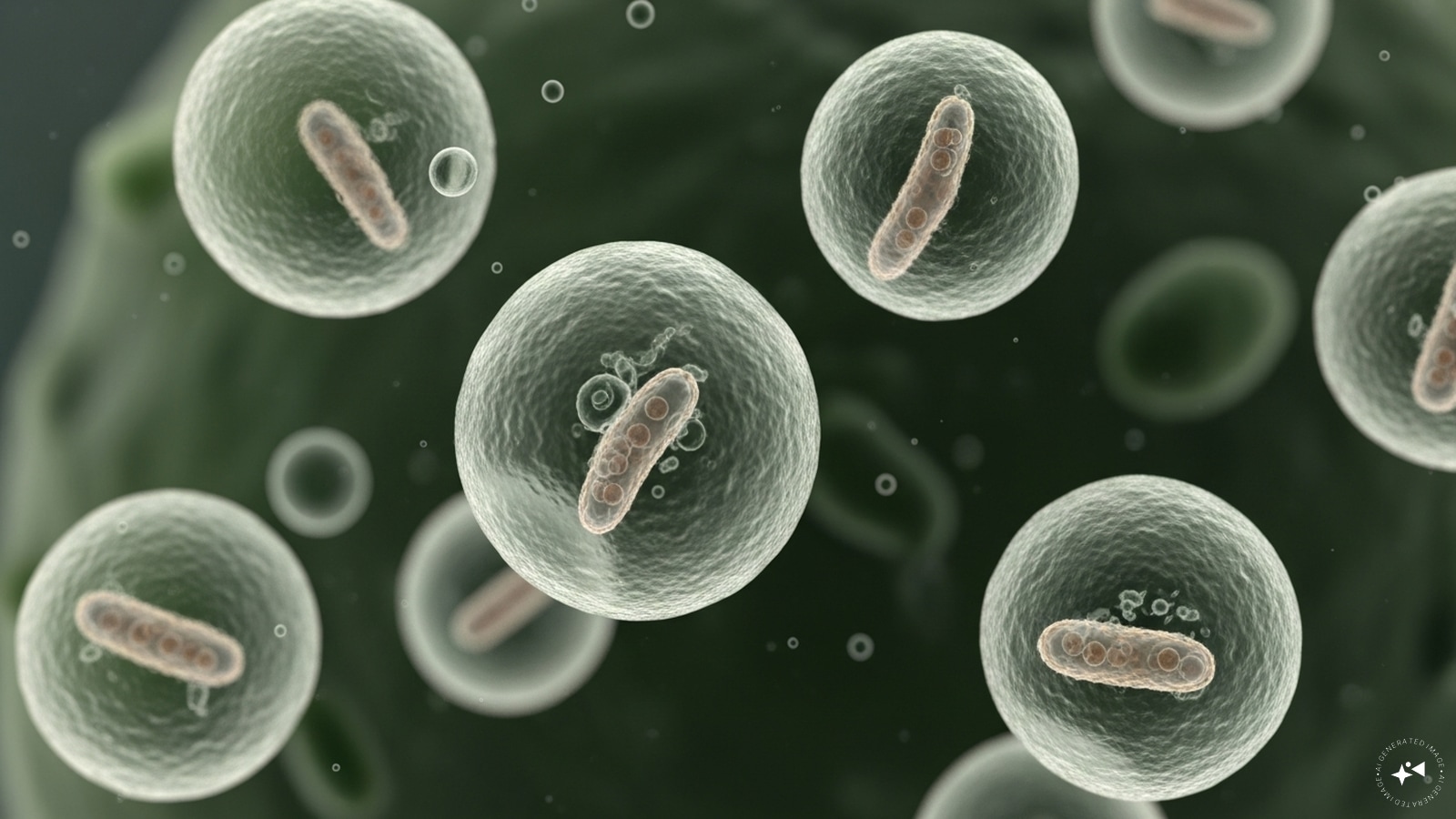
Current multi-enzyme therapeutic strategies show some promise when combined with targeted delivery systems like lipid nanoparticles or engineered exosomes. By encasing fragile enzymes in microscopic protective bubbles coated with specific tissue-targeting receptors, researchers can route the biological machinery directly to damaged cells while bypassing liver filtration.
Yet even with advanced delivery vehicles, these therapies remain highly complex biological interventions. They are not simple anti-aging cures. Reversing tissue damage requires a coordinated approach that clears accumulated cellular toxins, restores cellular energy metabolism, repairs extracellular matrix structures, and prevents rogue oncogenic mutations.
The human body developed intricate aging mechanisms over millions of years of evolution to prevent uninhibited cellular growth and control cancer risks. Overcoming those biological safety protocols without causing fatal systemic side effects will take decades of systematic, cautious clinical work—not a single breakthrough protein infusion.